Fragrance Guides
Fragrance Guides
The vocabulary and the basics, explained plainly — no gatekeeping.
Oud & Ember is reader-supported. We earn a commission when you buy through our Amazon links, at no extra cost to you. It never changes our verdict — and we say so when the cheaper bottle is the smarter buy. How this works.
Fragrance has a lot of jargon, and most of it is used to make the hobby sound more exclusive than it is. It is not. Strip away the vocabulary and buying a fragrance well comes down to a few simple ideas — the ones below. These guides exist to hand you that vocabulary in plain English, with no gatekeeping, so you can read any review or product page and know exactly what it is promising.
The words that actually matter
- Notes. The individual smells that make up a fragrance, described in three tiers. Top notes are the first impression and burn off within minutes; heart (or middle) notes carry the body of the scent for a few hours; base notesemerge as it dries down and can linger for eight hours or more. The "dry-down" is that final base stage.
- Concentration.How much perfume oil is in the liquid — the difference between an EDT, an EDP and a parfum. More oil generally means a richer, longer-lasting scent, not a "better" one. It is the single most misunderstood spec, so we gave it its own guide.
- Longevity. How many hours a fragrance lasts on your skin before it fades to nothing.
- Sillage.Pronounced "see-yazh," from the French for a ship's wake — the scent trail you leave behind you as you move.
- Projection.How far the scent radiates from your skin while you stand still — your scent "bubble." A fragrance can project strongly but leave a small sillage, or the reverse.
Get those five straight and ninety percent of fragrance writing suddenly makes sense.
A few more terms you will bump into
- Beast mode. Informal praise for a fragrance with huge projection, sillage and longevity all at once — a lot of scent for your money, though not always the office-friendly choice.
- Reformulation.When a house changes a fragrance's formula over the years, often to meet new ingredient rules or trim costs — which is why an older bottle can smell noticeably different from a fresh one.
- Dupe / clone. A fragrance built to smell like a pricier original. Our whole dupes hub is about which ones actually deliver.
What each guide covers
- Cologne vs perfume— why "cologne" means two different things, and how not to get tripped up by the label.
- Fragrance concentrations (EDC, EDT, EDP, parfum) — what the initials mean and when the pricier version is worth it.
- How to apply cologne — where to spray, how much, whether to rub (do not), and how to avoid choking the room.
- Make cologne last longer — why some fragrances vanish in an hour and how to get more from what you already own.
- Fragrance notes explained — top, heart and base notes, and how to read a note pyramid.
- Projection vs sillage — the performance words every review uses, untangled.
- Where to buy cologne — how to buy the real thing for less and dodge the fakes.
- How to store cologne — keep your bottles smelling right for years.
- Building a fragrance wardrobe — the handful of scents worth owning, on a budget.
- How to choose a cologne— a beginner's framework for picking a scent you will actually wear.
- How many sprays of cologne — how much to use, and how it changes by strength and occasion.
- How to layer cologne — the simple rules for combining scents without a mess.
- Cologne vs body spray — what actually separates the two, and when each makes sense.
- Are cologne dupes worth it? — the honest case for and against clones.
- How to spot fake cologne — the red flags that separate a genuine bottle from a counterfeit.
- Does cologne expire? — shelf life, the signs it has turned, and whether old cologne is safe to wear.
- Cologne vs deodorant — what each product actually does, and why one cannot replace the other.
- Cologne vs aftershave — skincare versus fragrance, and whether to wear both.
- Perfume oil vs cologne — attars, oils and sprays, and how differently they behave on skin.
- Why are Arabian colognes so cheap? — where the money goes in a designer bottle, and what you give up.
- Fragrance batch variation, explained — why two bottles of the same scent can smell different.
- What is ambroxan? — the molecule behind most modern cologne, and why some people cannot smell it.
- Why can't I smell my own cologne? — your nose adapted. How to tell that from a fragrance that really is weak.
- Why cologne smells different on everyone — what skin chemistry really does, and what gets blamed on it wrongly.
- Fragrance flankers explained — why 'Intense' and 'Noir' usually mean a different fragrance, not a stronger one.
- How much should you spend on cologne? — what more money actually buys, and exactly where it stops buying it.
- Fragrance families explained — the five families that cover almost everything, with one bottle each to learn them on.
- Why does my cologne smell like alcohol? — a normal thirty-second solvent flash, or a bottle that has turned. How to tell.
- Why does cologne give me a headache? — dose, density and sensitivity, in the order that actually matters.
- Can you spray cologne on clothes? — yes, and it lasts far longer. The four rules, including the one that saves a shirt.
- What is tonka bean? — the note behind 'warm and cozy', and why it is not the same as vanilla.
- What is saffron in perfume? — it does not smell sweet or floral. It smells leathery and faintly medicinal, which is exactly why it is in almost every oud fragrance.
- What is vetiver in perfume? — the root that holds a fragrance up, and why it smells like whatever is sitting on top of it.
- What is patchouli in perfume? — the most-published base note in this catalog and the one with the worst reputation. Modern patchouli is not the material people remember.
- What is labdanum in perfume? — the sticky rockrose resin almost every amber accord is secretly built on, and why so few houses print its name on the box.
- What does unisex actually mean on a fragrance? — almost nothing, and we can show it: one house describes the same bottle as feminine, unisex and for men across four of its own pages.
- Why do Arabian perfumes last so long? — four structural reasons a bottle from Lattafa or Afnan outlasts a designer fragrance costing three times as much. It is not a trick.
- Niche vs designer fragrance — the dividing line is ownership and distribution, not price or quality, plus the third tier both terms leave out.
- How to test cologne before you buy — three stages, four timings, and a hard limit of three fragrances per sitting. Most wasted bottles fail at step one.
How the basics change what you buy
These are not trivia. Knowing that concentration means intensity and not quality stops you from overpaying for a parfum when an EDT would serve you better. Knowing how climate interacts with a scent family stops you from buying a heavy winter amber you will never wear in July. Knowing the difference between projection and longevity stops you from returning a "weak" fragrance that was actually just close to the skin — exactly where an office scent belongs. Read a couple of these, then head to the best-colognes rankings or the oud & amber hub and buy from a place of actually knowing what you are choosing.
Everything in this hub
All guides

Guide
Cologne vs Perfume: What the Words Actually Mean
Cologne means two things at once: a light citrus concentration and the everyday American word for men's fragrance. Here's how to tell them apart.
Read the guide →
Guide
Fragrance Concentrations: EDC vs EDT vs EDP vs Parfum
EDC, EDT, EDP, parfum: the concentration ladder decoded, what the oil percentages roughly mean, and when the pricier EDP is worth it over the EDT.
Read the guide →
Guide
How to Apply Cologne the Right Way
Where to spray, how many sprays, the right distance, why not to rub, and how to avoid over-applying. A simple, practical routine anyone can follow.
Read the guide →
Guide
How to Make Your Cologne Last Longer
Why some scents disappear fast, and the free habits that make what you own last: moisturize, spray skin not clothes, don't rub, store right, and pick EDPs.
Read the guide →Guide
Fragrance Notes Explained: Top, Heart and Base
Top, heart and base notes, and the 'dry-down', explained in plain English - so you can read any review or note pyramid with confidence.
Read the guide →
Guide
Where to Buy Cologne Without Getting Burned
How to buy real fragrance for less - avoiding fakes and gray-market bottles, and where the genuine bargains (like the Arabian houses) really are.
Read the guide →Guide
Projection vs Sillage vs Longevity, Explained
Projection, sillage and longevity, untangled - the three performance words every review uses, and what they really tell you before you buy.
Read the guide →
Guide
How to Store Cologne So It Doesn't Go Bad
Heat, light and air are what kill a fragrance - simple storage habits that keep your bottles smelling right for years.
Read the guide →Guide
How to Build a Fragrance Wardrobe on a Budget
You don't need a shelf full of bottles - just a few that cover the bases. How to build a smart, cheap fragrance rotation from scratch.
Read the guide →Guide
Cologne vs Body Spray: What's the Real Difference?
Cologne and body spray differ in oil concentration, which changes longevity, projection and price. Neither is 'better' - here's when each one makes sense.
Read the guide →Guide
How Many Sprays of Cologne Should You Use?
How many sprays of cologne to use, how it varies by concentration and occasion, and the 'spray, don't drown' principle that keeps you smelling great, not overwhelming.
Read the guide →Guide
How to Choose a Cologne: A Beginner's Framework
A beginner's decision framework for choosing a cologne: scent families, occasion, season, testing on your skin, and why samples beat blind buys every time.
Read the guide →
Guide
Are Cologne Dupes Worth It? An Honest Answer
What a cologne dupe really is (a legit house chasing a smell, not a fake), the honest trade-offs, when a dupe wins vs the original, and how to avoid counterfeits.
Read the guide →Guide
How to Spot Fake Cologne
The packaging, price, and seller tells that separate a genuine bottle from a counterfeit - and the buyer-first rule that lets you skip the risk altogether.
Read the guide →Guide
Does Cologne Expire?
How long a bottle of cologne really lasts, the signs it has gone off, what shortens its life, and whether it is safe to wear old fragrance.
Read the guide →Guide
How to Layer Cologne
What fragrance layering means, the simple rules that keep it from going wrong, and easy starter combos by scent family for beginners.
Read the guide →Guide
Cologne vs Deodorant
What deodorant, antiperspirant and cologne each actually do - and why using one instead of another does not work.
Read the guide →Guide
Cologne vs Aftershave
Aftershave is skincare that happens to smell nice; cologne is a fragrance. What each is for, and whether to wear both.
Read the guide →Guide
Perfume Oil vs Cologne
Attars and perfume oils versus alcohol sprays - what changes, what lasts longer, and which one suits how you actually wear fragrance.
Read the guide →Guide
Why Are Arabian Colognes So Cheap?
Where the money actually goes in a designer fragrance, why the Middle Eastern houses skip most of it, and what you give up in return.
Read the guide →Guide
Fragrance Batch Variation, Explained
Batch variation, reformulation, bad storage or your own nose - the four reasons a repeat bottle smells wrong, and how to tell which.
Read the guide →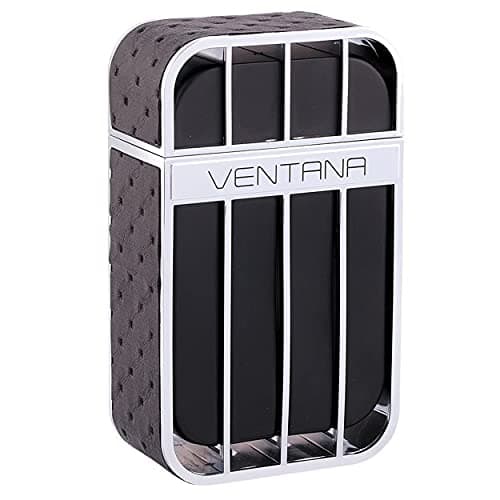
Guide
What Is Ambroxan?
The single most important material in modern men's fragrance, explained in plain English - plus what it does to longevity and why it divides noses.
Top pick: Armaf Ventana
Guide
Why Can't I Smell My Own Cologne?
Olfactory fatigue explained in plain English - why it happens, how to reset it, and how to tell the difference between your nose adapting and a weak fragrance.
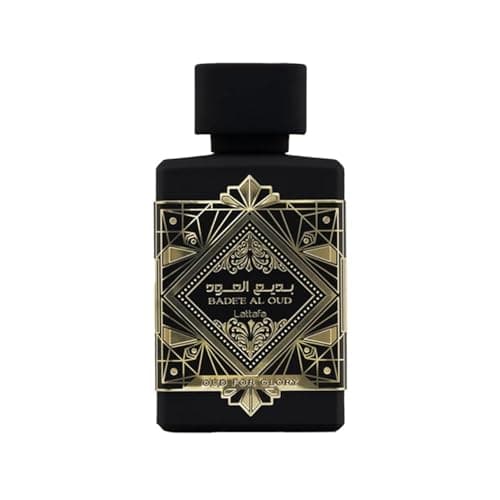
Top pick: Lattafa Oud for Glory (Bade'e Al Oud)
Guide
Why Cologne Smells Different on Everyone
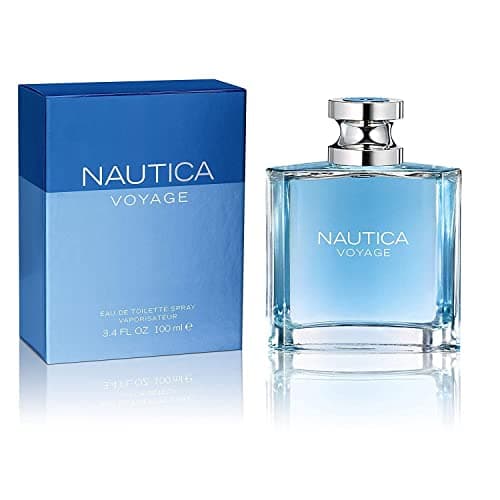
What skin chemistry really does to a fragrance, which factors matter most, and how to test properly so a bottle never surprises you after you have bought it.
Top pick: Nautica Voyage
Guide
Fragrance Flankers Explained
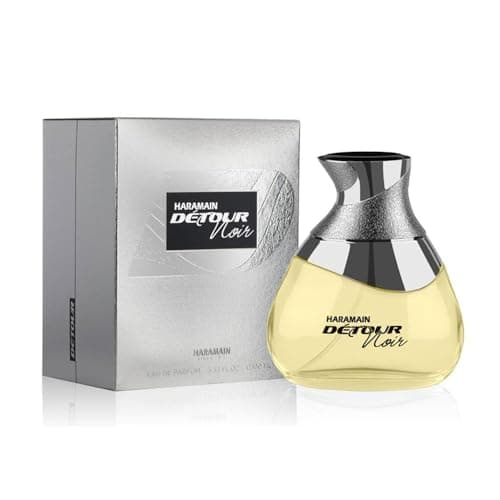
What a flanker is, why 'Intense' and 'Noir' almost never mean 'the same thing but stronger', and how to check a listing before you buy the wrong bottle.
Top pick: Al Haramain Detour Noir
Guide
How Much Should You Spend on Cologne?
What each price tier genuinely gets you, where the diminishing returns start, and how to work out cost per wear before you buy.
Top pick: Nautica Voyage
Guide
Fragrance Families Explained
The five families that cover nearly every men's fragrance, what each actually smells like, and one affordable bottle per family to learn it on.
Top pick: Lattafa Oud for Glory (Bade'e Al Oud)
Guide
Why Does My Cologne Smell Like Alcohol?
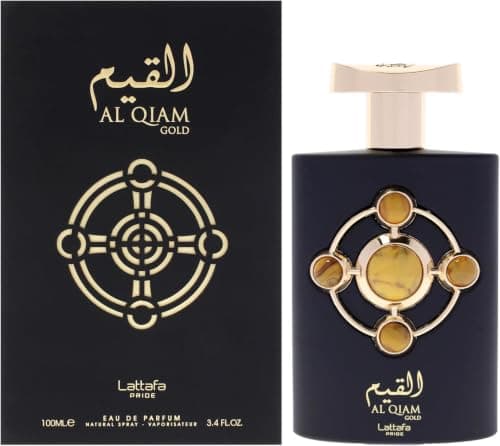
The thirty-second alcohol flash is normal and fixable; the same smell in an old bottle is not. How to tell them apart, and the denser fragrances where it barely registers.
Top pick: Lattafa Al Qiam Gold
Guide
Why Does Cologne Give Me a Headache?
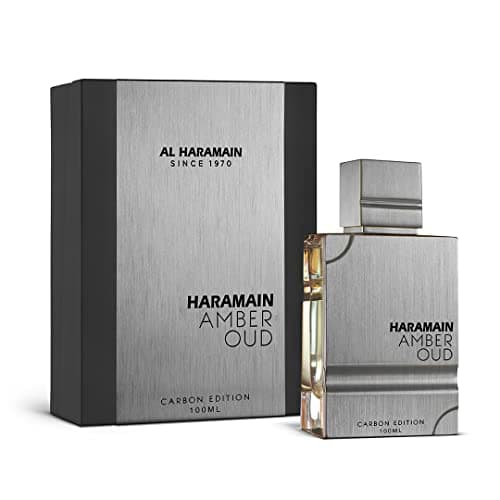
Dose, density and your own sensitivity - the three factors behind fragrance headaches, what to change first, and the three quietest bottles we rank.
Top pick: Al Haramain Amber Oud Carbon Edition
Guide
Can You Spray Cologne on Clothes?
Fabric holds fragrance far longer than skin but changes how it smells and can stain. The four rules, the fabrics to avoid, and when clothing is the right target.
Top pick: Nautica Voyage
Guide
What Is Tonka Bean in Fragrance?
Tonka bean explained - what it is, what it smells like, how it differs from vanilla, and three affordable bottles whose published pyramids name it.
Top pick: Afnan 9PM
Guide
What Is Saffron in Perfume?
The note behind almost every rose-oud and amber fragrance, what it actually smells like, and the four bottles in our catalog whose houses publish it.
Top pick: Lattafa Oud for Glory (Bade'e Al Oud)
Guide
What Is Vetiver in Perfume?
The root note behind every fragrance that smells dry, earthy or grown-up - what it does, how it changes depending on what sits above it, and three bottles that publish it.
Top pick: Maison Alhambra Dark Aoud
Guide
Niche vs Designer Fragrance
What niche and designer actually mean, why price is not the dividing line, and the third tier - the Arabian value houses - that the usual two-way split leaves out.
Top pick: Orientica Luxury Collection Royal Bleu
Guide
How to Test Cologne Before You Buy
The three-stage testing protocol - strip, skin, full day - with the timings that matter and the hard limit on how many fragrances you can judge at once.
Top pick: Lattafa Khamrah
Guide
What Is Patchouli in Perfume?
Patchouli explained: what it smells like, why the modern fractionated version bears little resemblance to the 1970s oil, and the three bottles in our catalog where it does visibly different jobs.
Top pick: Al Haramain Detour Noir
Guide
What Does Unisex Actually Mean on a Fragrance?
The honest answer to what 'unisex' means on a fragrance: a marketing decision, not a formulation one. With documented examples of one house labeling the same bottle three different ways.
Top pick: Lattafa Khamrah
Guide
Why Do Arabian Perfumes Last So Long?
The four real reasons Arabian fragrances outperform pricier designer bottles on longevity - concentration, note weight, fixatives and a different cultural brief - plus the three longest-lasting bottles we rank.
Top pick: Lattafa Oud for Glory (Bade'e Al Oud)
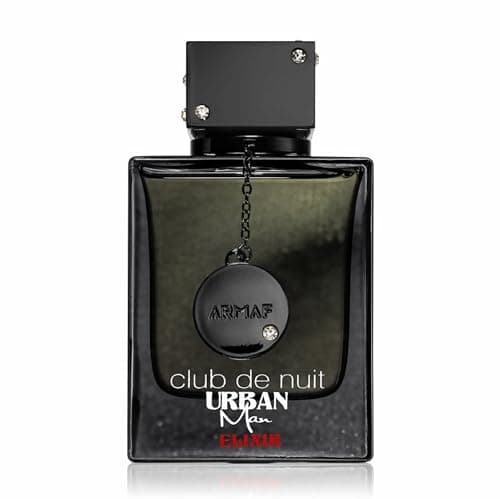
Guide
What Is Labdanum in Perfume?
Labdanum explained: the rockrose resin behind most amber accords, what it smells like, why it is never the whole story, and the three bottles in our catalog whose houses publish it.
Top pick: Armaf Club de Nuit Urban Man Elixir