Fragrance Guides · Guides
Fragrance Batch Variation, Explained
You bought the same bottle twice and it is not the same. Here are the four things that actually cause it, and how to tell them apart.
Oud & Ember is reader-supported. We earn a commission when you buy through our Amazon links, at no extra cost to you. It never changes our verdict — and we say so when the cheaper bottle is the smarter buy. How this works.
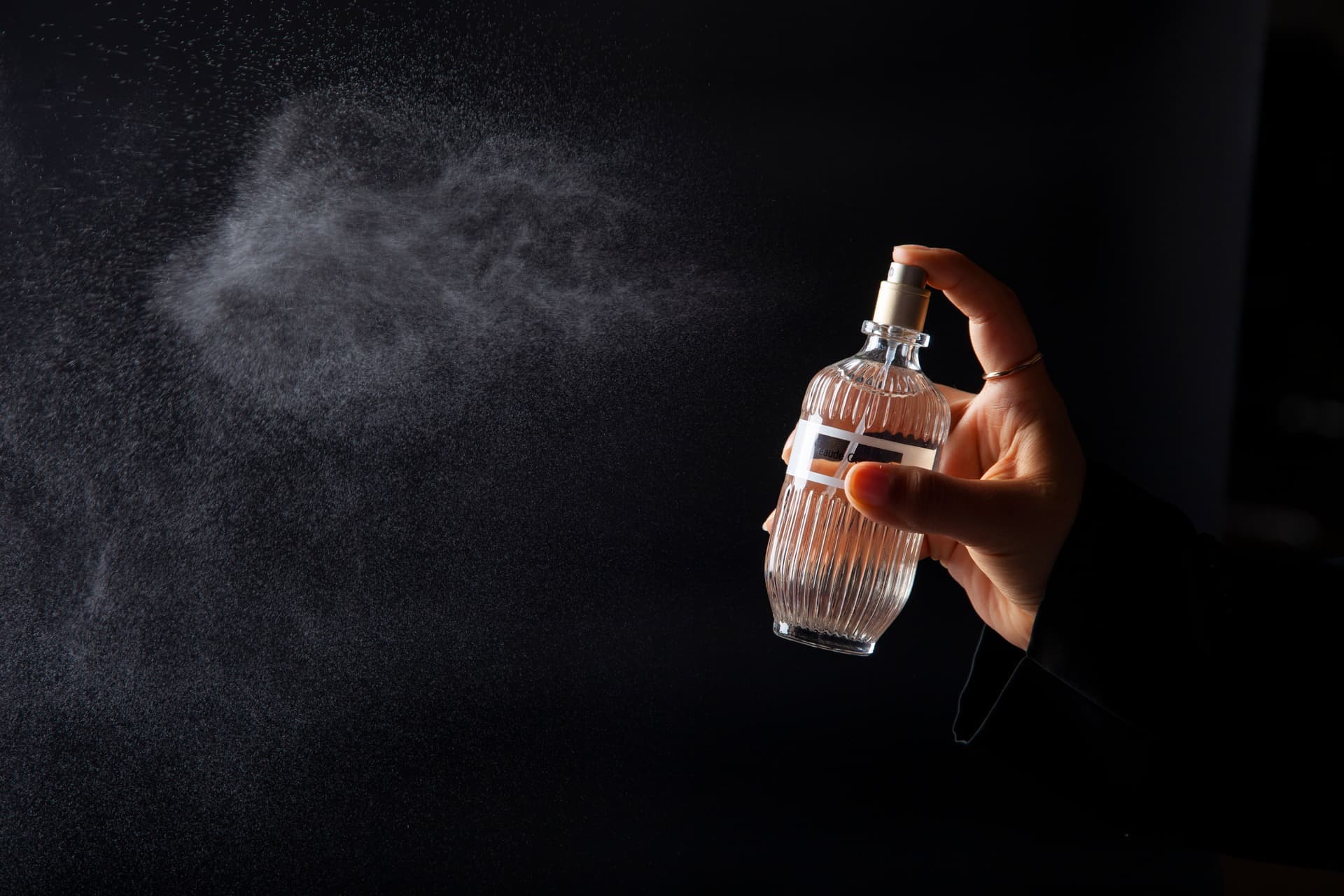
It is one of the most common complaints in this hobby: somebody rebuys a fragrance they loved, and the new bottle is weaker, sharper, or just not quite it. Usually the assumption is a fake. Usually it is not. There are four genuinely different explanations, they have different fixes, and telling them apart is worth doing before you write off a bottle or a seller.
1. Batch variation
Fragrance is made in production runs. Natural materials vary between harvests, suppliers change, equipment is cleaned and recalibrated, and the result is that two batches of the same fragrance can differ slightly. In well-controlled production the differences are small enough that almost nobody notices. In higher-volume, lower-margin production they can be noticeable - and that is a genuine, widely reported feature of the affordable end of the market, including some of the most popular budget bottles in the world.
The tell: the fragrance is recognizably the same scent, but weaker, or slightly off in one phase. Nothing about the bottle or the packaging looks wrong. This is normal and there is no fix beyond buying from a seller with fresh stock and accepting it as part of the price.
2. Reformulation
This is different and permanent. Fragrances get reformulated when regulations restrict a material, when a supplier disappears, or when a brand decides to cut costs. Oakmoss and certain citrus and floral materials have been restricted or capped over the years by the industry's own standards bodies, and classics have been reworked as a result.
The tell: the change is consistent across every new bottle, not just yours, and there is usually community discussion about a specific year or packaging change. A reformulated fragrance is not defective - it is a different formula wearing the same name, and if you preferred the old one your only option is the second-hand market.
3. Storage and age
Fragrance is a chemical product and it degrades. Heat, light and oxygen are all enemies - a bottle stored on a sunny windowsill or in a steamy bathroom will turn faster than one in a dark cupboard. Top notes go first, which is why an old bottle often smells "sharper" or more alcoholic at first spray while the base survives.
The tell: the opening is off but the dry-down is broadly right, the liquid has darkened, or the bottle has been open or badly stored for a long time. Our guides on how to store cologne and whether cologne expires cover this in detail - and this is the one cause you have real control over.
4. You
The least popular explanation and often the correct one. Your skin chemistry, hydration, diet and even the season change how a fragrance develops on you. More importantly, your nose adapts: wear something regularly and you stop registering it, which reads as "this bottle is weaker" when the bottle is fine and your perception has shifted.
The tell: other people still comment on it, or it smells normal after a break of a week or two. Spraying on paper rather than skin and comparing against the old bottle side by side is the closest thing to a controlled test you can run at home.
How to tell a bad batch from a fake
This is the distinction that actually matters, because one is bad luck and the other is fraud. A counterfeit usually gives itself away outside the liquid: sloppy printing, a misaligned or missing batch code, a cap or atomizer that feels wrong, a cellophane wrap that is loose or absent, a price that is well below every legitimate seller. A weak batch looks completely normal and simply performs less well.
Our guide to spotting fake cologne runs through the physical checks properly, and where to buy cologne covers avoiding the problem in the first place.
What we do about it on this site
We say so. Where a fragrance has a widely reported batch consistency issue - and one of the most famous affordable bottles in the world does - we put it in the cons rather than leaving it for you to discover. Our methodology page sets out how we compile those judgments: published specifications, aggregated owner reports, and no claim to have smelled every batch, because nobody has. If you are weighing up whether the affordable end is worth the variability at all, the economics behind the low prices explain where the trade-off comes from.
Why popular fragrances vary more
There is a pattern worth knowing: the fragrances with the loudest batch complaints are almost always the most popular ones. That is not a coincidence and it is not entirely about manufacturing either. Three things compound.
- Volume. More production runs means more opportunities for variation, and more bottles in circulation means more people comparing.
- Counterfeiting.The most copied fragrances are the most famous ones, so a share of the "bad batch" reports are actually fakes that the buyer never identified as such.
- Expectation. A fragrance with an enormous reputation has further to fall. Some of the disappointment reported about famous bottles is the gap between a review and a nose, not a gap between two batches.
Running a fair comparison at home
If you genuinely want to know whether two bottles differ, the test has to control for your nose, which adapts alarmingly fast. Spray each onto a separate strip of paper - a coffee filter or blotter works - label them, and smell them alternately with a gap of a few seconds and something neutral in between. Skin is a bad test surface for this because it introduces its own variable.
Compare at three points: immediately, at thirty minutes, and at three hours. Most genuine batch differences show up as intensity rather than character - the same fragrance, quieter - while a reformulation usually changes a specific phase, and a counterfeit often smells recognizably wrong in the opening and then falls apart entirely.
Does age always make a fragrance worse?
No, and this surprises people. Top notes degrade first, so an old bottle often loses its brightest opening - but the base can deepen and smooth in a way plenty of wearers actively prefer, particularly in rich, resinous or amber-heavy fragrances. Some people deliberately age bottles for this reason.
What genuinely ruins a fragrance is heat, light and repeated temperature swings, not time in a dark cupboard. A sealed bottle stored properly can be fine for many years. A bottle kept in a bathroom with a hot shower running twice a day will turn far faster. Our guide on expiry covers the signs to look for, and how to store cologne covers the prevention.
What to do if you got a weak bottle
Wait a week before concluding anything, wearing something else in the meantime - a surprising proportion of these cases resolve when your nose resets. If it is still weak, check the packaging carefully against a legitimate listing and, if anything looks wrong, treat it as a counterfeit and pursue a refund through the platform rather than the brand.
If it looks genuine and simply underperforms, the practical options are adjusting application - more sprays, on clothing rather than skin - or accepting it and buying the next one elsewhere. At the prices in this category the loss is small, which is precisely the trade-off explained in why Arabian colognes are so cheap.
Questions
Frequently asked
Why does my new bottle of the same cologne smell different?
Is batch variation a sign of a fake?
Do cheap fragrances have more batch variation?
How can I avoid getting a bad batch?
Keep reading
Related
- How to spot fake cologneThe physical checks that separate a counterfeit from a weak batch.
- How to store cologneThe one cause of bottle-to-bottle difference you control.
- Does cologne expire?How long a bottle really lasts, and what going off smells like.
- Why Arabian colognes are so cheapThe economics that make variability part of the trade-off.
More in Guides
Receipts
Sources
- Perfume - materials, formulation and reformulation
- International Fragrance Association - industry standards
- Aroma compounds and volatility
We do not run a testing lab, and we do not pretend to. Our scores are judgments from compiled research — published notes and concentration data, plus aggregated owner and community reports — and first-hand impressions only where genuine. Where we could not verify something, we say so rather than quietly leaving it out. Read our full method.