A flanker is a fragrance released under the name of an existing one, with a word added: Intense, Noir, Elixir, Extreme, Exclusif, Absolu, Legacy, Parfum. The name implies a relationship, and buyers read that relationship as a volume knob - same smell, turned up. That is usually wrong, and it is one of the most expensive misunderstandings in fragrance shopping.
The three things a flanker can actually be
- A genuine concentration change. The same composition at a higher oil load - the honest version of what buyers expect. It wears closer to the skin, lasts longer and projects less sharply. This is the rarest of the three.
- A variation on a theme. The same broad accord with one element swapped or amplified - a fresh version of a sweet one, a spiced version of a smooth one. Recognizably related, definitely not the same.
- An entirely different fragrance wearing a famous name. Shares the branding and nothing else. This is far more common than most buyers realize, and it is the norm in the affordable Arabian market.
The word itself tells you almost nothing about which of the three you are getting. There is no standard. "Intense" means a higher concentration at one house and a completely new composition at another, and neither is misleading anybody in a legal sense - it is marketing language, not a specification. The same is true of concentration labels generally, which our guide to fragrance concentrations works through.
Why the affordable market is worse for this
Two reasons. First, the designer houses generally keep some family resemblance across a line because the line is the brand asset; an affordable house chasing several different originals has no such incentive and will happily use one successful name across unrelated fragrances. Second, the listings are thinner - a marketplace page often gives you a name, a size and little else, so the usual signals are missing.
The result is that the affordable shelf has more name-collisions per bottle than anywhere else, and they cluster exactly where the money is: the popular accords.
What to check before you order
- Read the full product name, every word. Obvious, routinely skipped, and the single highest-value check on this list.
- Compare the published note pyramids, not the descriptions. If the top notes are unrelated, it is a different fragrance regardless of the name. If they match exactly, you are probably looking at a real concentration variant.
- Check the year. A flanker released years after the original is more likely to be a new composition riding a name that sold well.
- Check the bottle size. Flankers routinely differ from the original in size, which changes the value calculation more than people notice.
- Distrust reviews that do not name the exact version.A huge share of the owner reporting on flankers is people reviewing one bottle under the other's name.
Four real examples from our own catalog
These are not hypothetical. Every one of these has caught buyers out, and all four are bottles we rank and recommend elsewhere on the site.
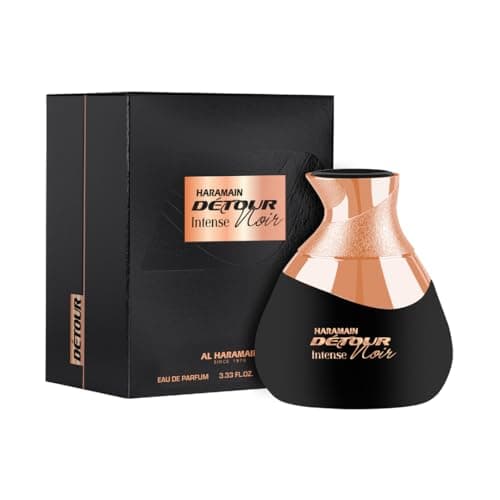
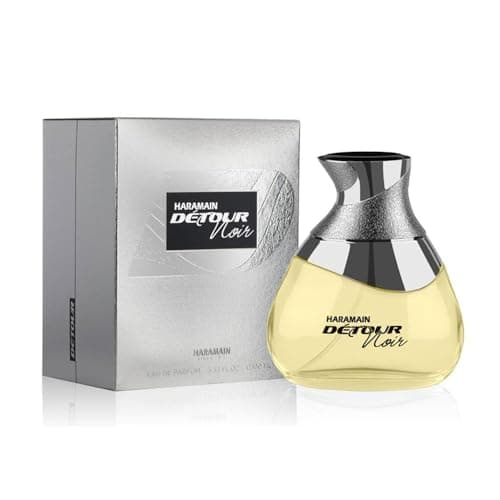
- Al Haramain Detour Noir is an apple, lavender and vanilla fragrance. Detour Noir Intense is cardamom, heliotrope and bitter almond. They are not the same fragrance at two strengths - they chase two completely different targets, which is why they appear on two different pages of our Parfums de Marly coverage.
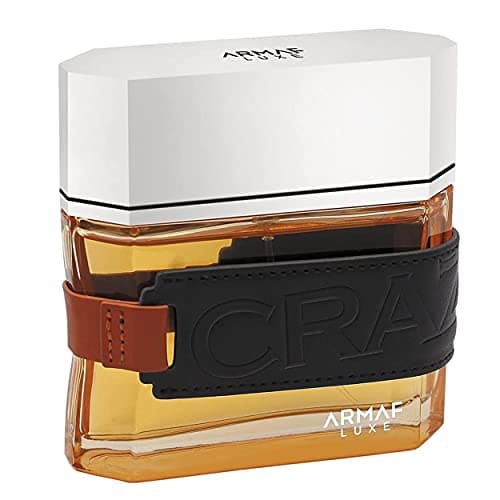
- Armaf Craze and Craze Noir look like a pair. On paper the Noir is Craze minus a note; in wear, owners consistently report a quieter, muskier, more floral fragrance that drops close to the skin quickly - at a higher price. We rank Craze and deliberately do not rank the Noir.
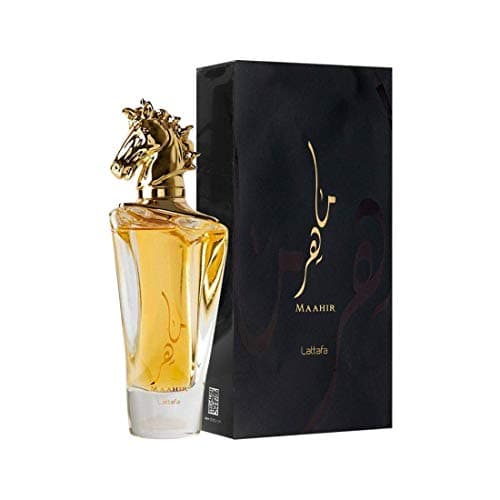
- Lattafa Maahir is a saffron-rose-oud amber. Maahir Legacy is mint, lavender and citrus. Same house, adjacent names, nothing in common. We rank both, for completely different reasons.
- Layton and Layton Exclusif, or Pegasus and Pegasus Exclusif - separate parfum-strength compositions rather than bigger bottles of the same juice. The clones of each are correspondingly different.
The four bottles below are the catalog entries behind those examples, so you can see the note lists side by side rather than taking our word for it.
Are flankers ever the better buy?
Frequently, yes - and this page is not an argument against them. A flanker is often where a house fixes the thing that was wrong with the original: too sharp, too short, too seasonal. Several bottles this site ranks first in their category are flankers.
The point is narrower than "avoid them". It is that you should buy a flanker as its own fragrance, on its own merits, rather than as a version of something you already like. If you loved the original, the flanker is a new decision requiring a new test - not a safe re-order.
The naming vocabulary, roughly decoded
With the standing caveat that none of this is standardized and any house can use any word to mean anything:
- Intense / Extreme / Absolu - usually darker, sweeter or spicier; sometimes stronger, often just different.
- Noir - almost always a darker interpretation rather than a concentration, and often a full re-composition.
- Elixir - in current usage, typically a sweeter and more gourmand take on a fragrance.
- Exclusif / Privé / Collection - a separate line rather than a variant, frequently a different perfumer and a different brief.
- Eau de Parfum of an Eau de Toilette - the one case where a genuine concentration change is likely, though even then houses commonly reformulate.
- Legacy / Heritage / Edition - in the affordable market, usually an unrelated fragrance under a name that sold.
If you already bought the wrong one
It happens, and it is not always a loss. Wear it for a week on its own terms before deciding - a fragrance you bought for the wrong reason can still be a good fragrance, and the mismatch is with your expectation rather than the bottle. If it genuinely is not for you, our guide to building a fragrance wardrobe covers how to make an odd bottle useful, and how to spot fake cologne is worth reading if the difference was large enough to make you suspicious of the seller rather than the name.