You spray, it smells great, and forty minutes later it is gone. Meanwhile someone across the room comments on it. This is the single most common complaint in fragrance, and in the overwhelming majority of cases the fragrance is fine and working normally. What changed is you.
What is actually happening
The effect is called olfactory fatigue - also olfactory adaptation, odor habituation, or informally nose blindness. It is the temporary, completely normal inability to detect an odor after prolonged exposure to it. It is the same mechanism that makes a restaurant smell overwhelming when you walk in and unremarkable twenty minutes later.
The mechanism is neural rather than psychological. When odor molecules bind to receptor neurons in your nose, calcium ions flood into the cell and the signal goes to your brain. That same calcium influx also triggers a negative feedback loop that reduces the cell's sensitivity during continuous stimulation - it represses the ion channels, shuts down the enzyme producing the signaling molecule and activates the one that breaks it down. The receptor deliberately turns its own volume down.
This is a feature, not a fault. Constant, unchanging smells are almost never important; new ones might be. Tuning out the background is what keeps you able to notice the gas leak. Your cologne, sprayed on your own neck a few inches from your nose, is the most constant smell in your environment - so it is the first thing your system discounts.
How to tell adaptation from a genuinely weak fragrance
This is the part that actually matters, because the two problems have opposite solutions. Four checks, in order of usefulness:
- Ask somebody. Unglamorous and decisive. If other people can smell it and you cannot, your nose adapted and the bottle is fine.
- Smell a sprayed strip, not your skin. Spray a paper strip, put it in a pocket and check it in two hours. The strip removes your skin chemistry and the constant-exposure problem in one move.
- Leave and come back. Step outside into different air for a few minutes. Sensitivity recovers with time away from the odor, so if the fragrance reappears when you walk back in, it never left.
- Check the back of your hand and your sleeve. Fragrance on fabric and on areas further from your face survives adaptation better, because you are not continuously sampling it.
If the fragrance genuinely is gone by those checks, then the problem is real and it is usually one of three things: a light concentration, dry skin giving the fragrance nothing to hold onto, or a composition built almost entirely of top notes. Our guide to making cologne last longer addresses all three, and fragrance concentrations explains what the labels on the box are actually promising.
What to do instead of spraying more
- Do not re-spray in the first few hours. This is the trap. Adding more does not restore your perception - your receptors are already saturated - but it absolutely increases what everyone else is getting. Over-application is the most common fragrance mistake and olfactory fatigue is the reason for it.
- Move the application point. Spraying on the chest rather than directly under your nose gives you a warmer, longer-lived trail and slows the adaptation.
- Rotate your fragrances. Wearing the same bottle every day accelerates habituation to it specifically. Two or three in rotation keeps each one noticeable - which is the practical argument for building a small wardrobe rather than owning one signature bottle.
- Reset your nose between test sprays. If you are actively comparing fragrances in a shop, limit yourself to three or four and take breaks. Coffee beans are a shop gimmick and do not do much; fresh air does more.
If you want a fragrance you will notice on yourself
Some fragrances resist adaptation better than others, because they keep changing. A composition that evolves - a bright opening into a distinctly different heart and base - re-engages your nose each time it shifts, where a linear fragrance presents one unchanging accord and disappears from your awareness fast. Heavy, resinous and gourmand fragrances also tend to stay perceptible longer than light fresh ones.
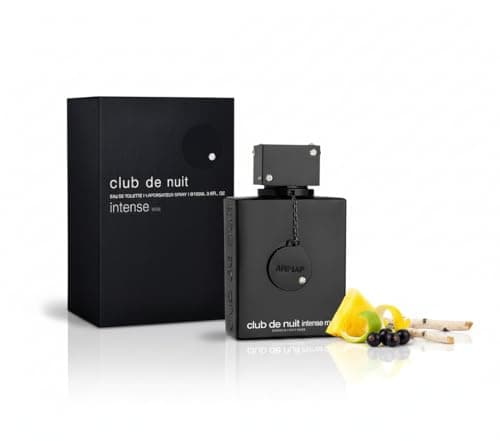
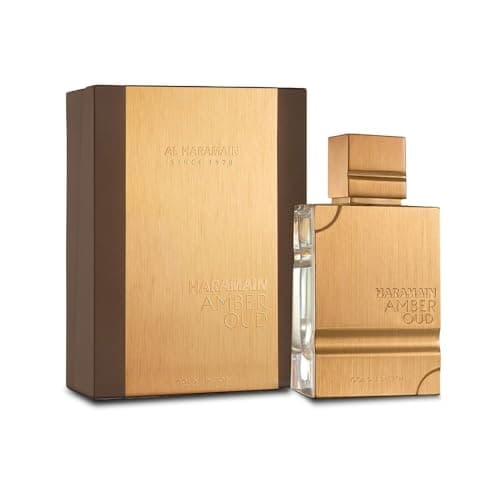
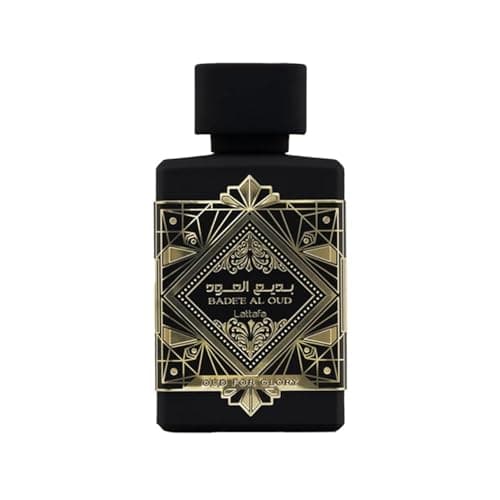
The three bottles below are the ones from our catalog that people most often report still noticing on themselves hours in. That is a real property and a legitimate reason to choose a fragrance - just be aware it usually comes with strong projection, which means the same bottles are the wrong choice for a shared office.
Two things that are not olfactory fatigue
Specific anosmia. Some people cannot smell particular materials at all - certain musks and synthetic ambers are the usual culprits. Unlike adaptation, this is permanent, material-specific, and it does not reset when you step outside. If a whole category of popular fragrance smells like nothing to you while others smell normal, read our guide to ambroxan, the material most often involved.
A fragrance that has actually turned. Age, heat and light degrade fragrance, and a bottle stored badly can genuinely lose its top notes or go sour. The tell is that it smells different rather than absent - often sharp or vinegary at the opening. Our guides to whether cologne expires and how to store it cover that properly.
The over-application problem, stated plainly
Almost everyone who wears too much fragrance is doing it for this reason. They cannot smell it, they assume it has worn off, they add more, their nose adapts to the higher dose, and the cycle repeats. The person at the desk opposite experiences none of that adaptation and gets all of the fragrance.
The fix is to decide your spray count by the clock and by other people's feedback, not by your own nose - because on this specific question your nose is the least reliable instrument you own. Two sprays is right for most fragrances and most occasions; our spray-count guide works through the exceptions.