If you read the note lists on this site you will see one word over and over: ambroxan. It is in the budget fresh scents, the designer flagships they chase and most of what sits between them. More than any other single material, ambroxan is why a large slice of modern men's fragrance smells vaguely related - and why a $25 bottle can now out-last a $200 one.
What it actually is
Ambroxan is a synthetic aroma molecule - technically ambroxide - made to replicate the scent of ambergris. Ambergris is a waxy substance produced in the digestive system of sperm whales and found washed up at sea; it was one of the most prized materials in historical perfumery, and it is now scarce, extremely expensive and tangled in whale-protection regulation. It is effectively out of reach for commercial fragrance.
The workaround is elegant. Natural ambergris contains dozens of aroma compounds, but one of them - ambroxide - does most of the work. Chemists learned to synthesize it from sclareolide, a compound derived from clary sage, in a multi-step process that yields a single isomer of consistent purity. So ambroxan is not an imitation in the cheap sense: it is the actual dominant molecule of ambergris, made from a plant instead of a whale. It is now used at enormous scale - annual consumption runs to well over a hundred tons.
You will also see it as Ambrox, Ambroxide, Ambrofix, Cetalox or ambrocenide on note lists. These are trade names and close relatives rather than different things in any way you will notice as a wearer.
What it smells like, and what it does
On its own, ambroxan is warm, dry, slightly mineral and faintly salty - woody-ambery with a soft animal edge. It is not sweet and it is not really a note you would pick out of a crowd. Its real job is structural, and it does three things:
- It extends wear time. Ambroxan is a fixative - a heavy, slow-evaporating material that holds lighter notes in place. This is the main reason a modern fresh fragrance can last eight hours when a classic eau-de-toilette citrus faded in three.
- It adds a skin-like warmth.It makes a fragrance read as though it is coming off your skin rather than sitting on top of it, which is why it turns up in so many "clean" and "second-skin" scents.
- It projects. Ambroxan carries, and it carries cheaply, which is a large part of why the affordable houses lean on it so hard.
The part nobody warns you about: anosmia
A meaningful minority of people are partly or completely unable to smell ambroxan. Specific anosmia to particular musks and ambers is well documented, and ambroxan is one of the materials it affects.
If that is you, the consequences are odd and specific. Famous ambroxan-heavy fragrances will smell thin, short or like almost nothing, while everyone around you insists they are strong. You will find yourself over-applying to compensate and possibly wearing far more than you think. And you will conclude that a whole category of modern fragrance is overrated when in fact you are simply not receiving most of it.
It is worth ruling this out before you decide a bottle is weak. It is not the same thing as your nose adapting to a scent you are wearing, which is temporary and happens to everyone - we cover that separately in why you cannot smell your own cologne. Specific anosmia is permanent, material-specific, and it does not improve by spraying more.
What to look for when you are shopping
- Expect it, do not fear it. Ambroxan on a note list is not a sign of a cheap fragrance. It is in the designer originals as much as the affordable alternatives.
- Watch for the synthetic edge. Where cheap ambroxan fragrances go wrong is dosage: overloaded, it reads harsh and slightly metallic, especially in the first ten minutes. That is the most common tell of a budget fresh scent.
- Judge it after the opening. Ambroxan builds. A fragrance that seems modest at first can be perfectly loud an hour in, so do not re-spray early.
- If it smells like nothing on you, test it on paper and ask someone else. That two-minute check tells you whether you have an anosmia rather than a weak bottle.
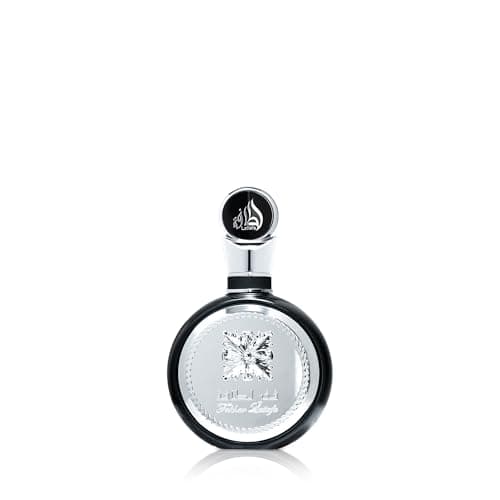
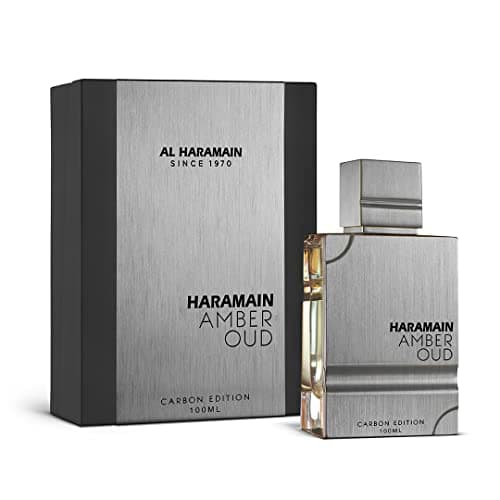
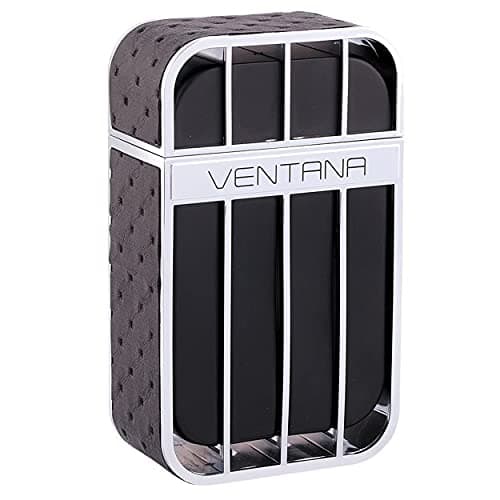
Below are three bottles from our catalog that show what ambroxan does at different dosages - a loud one, a polished one and a restrained one. They are picked to illustrate the material, not because you need all three.
Why ambroxan changed the affordable market
It is hard to overstate this. Before cheap, high-quality synthetic ambers, longevity was largely a function of how much expensive material a house could afford to put in a bottle - which meant price and performance were genuinely linked. Ambroxan broke that link. A material that is inexpensive, extremely stable and an excellent fixative let affordable houses match and often beat designer longevity, which is the foundation the entire clone market is built on.
That is the honest version of the story our why Arabian colognes are cheap guide tells at length: the savings are real, and a large part of them is chemistry rather than corner-cutting. It is also why our Parfums de Marly dupes page argues that range clones so well - nothing in those accords is a restricted natural.
Related materials worth knowing
- Iso E Super - a smooth, woody, almost transparent material with the same fixative role and the same anosmia quirk. Often paired with ambroxan.
- Cashmeran - warm, musky and slightly powdery; shows up in most of the woody-amber bottles on this site.
- Coumarin - the hay-and-almond material behind the entire fougere family and most tonka notes.
If note lists generally are what you are trying to decode, our fragrance notes explained guide is the better starting point, and fragrance concentrations covers the other half of why two bottles of the same juice behave differently.