Vetiver is an essential oil distilled from the roots of Chrysopogon zizanioides, a tall perennial bunchgrass grown mainly in Haiti, Java, Indonesia and Réunion. It smells earthy and woody with a smoky, slightly bitter edge and a surprising citrus-rind brightness — grapefruit peel is the comparison most people land on once it is pointed out. Almost everything you have ever called a "dry" or "grown-up" fragrance owes that quality to vetiver.
It is one of a small handful of materials that work in almost any composition, which is why it shows up in the base of fresh fragrances, woody fragrances, fougeres and ambers alike. It is also, for the same reason, one of the notes people most often smell without being able to name.
Roots, not leaves - and why that matters
Most aromatic plants give up their oil from flowers, leaves or peel. Vetiver gives it up from a dense mat of roots that can run several feet deep, and the plant is widely grown for erosion control as much as for perfumery. Root oils behave differently from flower oils: they are heavy, low-volatility and persistent, which has two consequences in a bottle.
First, vetiver lasts. It is a classic fixative — a material that slows the evaporation of everything blended with it — so a composition with vetiver in the base holds its shape for hours longer than the same composition without it. Second, you will almost never smell it in the opening. A note list with vetiver in the base is describing hours two through eight of your wearing, not the first ten minutes.
Origin changes the smell more than most materials. Haitian vetiver is generally the smoother, more citrus-bright style; Javanese is darker and smokier. Few affordable houses tell you which they used, so treat it as a reason two vetiver fragrances can smell unlike each other rather than as something to shop on.
Vetiver smells like whatever is on top of it
This is the practical point of the page, and it is why we have not ranked the three bottles below against each other as "best vetiver". Vetiver is a floor, and the floor takes the character of the room. The same material does three distinguishable jobs:
- Under oud and sandalwood, it reads dry and austere. The woody fragrances people describe as expensive-smelling and slightly severe are usually vetiver holding up an oud accord.
- Under lavender, moss and patchouli, it reads classic and earthy. This is the fougere base — the shape behind most traditional men's fragrance — and vetiver is what keeps it from going soapy.
- Under a marine or citrus accord, it reads clean and mineral. Modern fresh fragrances use vetiver to stop a bright top note from smelling like shampoo. You register it as "quality" rather than as a note.
What to look for when you buy a vetiver fragrance
- Decide whether you want vetiver as a subject or as a floor. True vetiver fragrances — where the root is the headline — are mostly a niche and designer category and they smell much earthier than people expect. Affordable Arabian houses almost always use it as a base material instead. That is the honest state of this catalog, and it is why the three picks below are all floor-vetivers.
- Read what is above it in the pyramid. That tells you what the fragrance will smell like far more reliably than the word vetiver does.
- Expect it to show up late. If you are testing on a paper strip you will not meet the vetiver at all. On skin, give it two hours.
- Treat it as a longevity signal. All else equal, a published vetiver base is a reason to expect better-than-average wear time from a cheap fragrance.
- Do not confuse it with patchouli. Both are earthy; patchouli is sweeter, damper and more camphorous, vetiver is drier and smokier with that grapefruit lift. They are frequently blended, which is why people mix them up.
Three bottles that publish vetiver in the base
Chosen by one rule: the house's own published note list names vetiver in the base, and between them the three show the three different jobs described above. They are not ranked against each other — they appear in our standard rubric order, which is a performance ranking, and they are not competing for the same buyer.
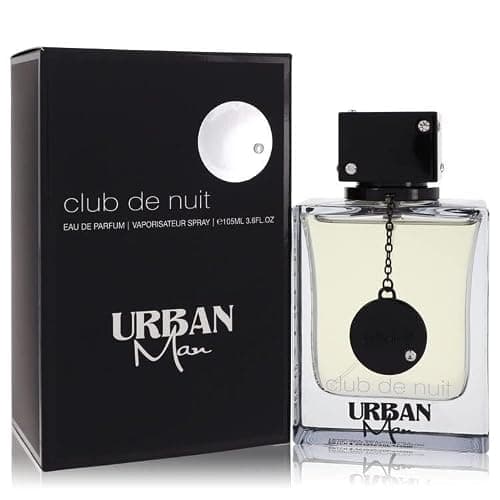
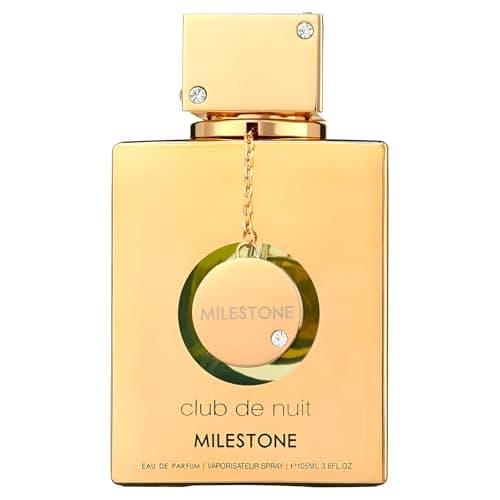
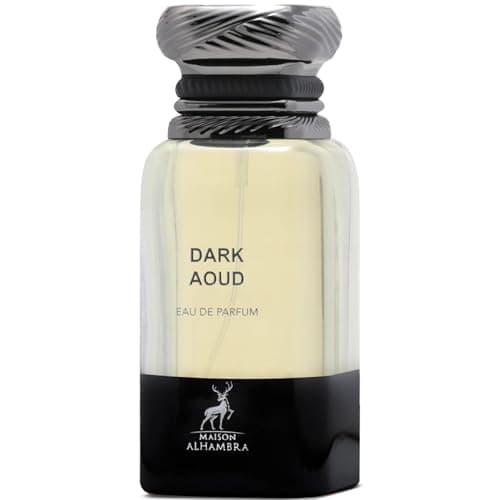
Maison Alhambra Dark Aoud is the dry-and-austere version: its published list runs cardamom, pepper and Brazilian rosewood, then oud, sandalwood and vetiver, over vanilla, tonka bean and ambergris. Club de Nuit Urban Man is the classic fougere version: bergamot, mint, grapefruit and cardamom, then lavender, cedar, ginger and nutmeg, over patchouli, vetiver, sandalwood and oakmoss. Club de Nuit Milestone is the clean mineral version: bergamot, red fruits and marine accords, then violet, sandalwood and white woods, over vetiver, musk and ambroxan. Same root, three completely different fragrances.
Vetiver's closest relative in the base of an affordable fragrance is patchouli, and the two get confused constantly. What is patchouli in perfume covers the other great dry base material, including why the modern fractionated version smells nothing like the reputation it carries.
Where vetiver fits in the families
Vetiver is a woody material that does most of its work inside the fresh family, which is the kind of thing that makes fragrance taxonomy frustrating. If the family map is what you actually want, our fragrance families guide covers the five that matter and explains why fougere is a structure rather than a smell. For the material next to it in most pyramids, what is ambroxanis the companion page — ambroxan and vetiver together are the base of a large share of modern men's fragrance.
If you are shopping for the overall effect rather than the note, best woody colognes ranks the dry-woody field and best office colognes is where most of the clean-mineral vetivers end up, because that is the job they are good at.
One thing vetiver cannot do
It cannot make a fragrance project. Vetiver extends how long a composition lasts and it does not make it louder — it is a dense, close-to-the-skin material and it tends to pull a fragrance inward as the hours pass. People who want to be noticed sometimes read that as the fragrance dying when it has not: it is still there, just closer. That distinction is the whole subject of projection versus sillage, and it is worth five minutes before you decide a bottle underperformed.