Labdanum is a sticky, dark resin collected from a Mediterranean rockrose, and it smells sweet, leathery, balsamic and faintly animalic — like warm honey, old leather and dried fruit at the same time. Its importance is out of all proportion to how often it appears on a note list: most of what the fragrance industry calls "amber" is built on labdanum, usually blended with vanilla and benzoin. So if you own an amber fragrance and like it, there is a strong chance labdanum is the material you are responding to, and a strong chance the bottle never mentioned it.
For a site built around oud and amber, that makes it the most important material we had never defined. This page is the material; our what is amber page is the accord built from it, and the two are worth reading together.
What it is and where it comes from
Labdanum is an oleoresin — a sticky mixture of resin and essential oil — produced by two species of rockrose, Cistus ladanifer and Cistus creticus, shrubs that grow across the Mediterranean and are harvested mainly in Spain, Portugal, Morocco, Greece and Turkey. The plant secretes the resin on its leaves in hot weather, apparently as protection against heat and water loss.
The traditional harvest is one of the better stories in perfumery: historically the resin was combed from the coats of goats and sheep that had grazed through the shrubs, and in some places still is. Modern production boils or solvent-extracts the harvested branches. It is a labor-intensive material, which is part of why synthetic amber bases exist at all.
It is also one of the oldest aromatic materials in continuous use — labdanum is one of the plausible identifications of several resins named in antiquity, and it has been traded around the Mediterranean for several thousand years.
What it smells like
Labdanum is unusually complex for a single material, which is exactly why it is so useful. Depending on the grade and how much is used, you will get some combination of:
- Sweet and balsamic — honeyed, resinous, slightly syrupy. This is the dominant impression and the amber part.
- Leathery — a dry, worn-leather quality that is why labdanum turns up in leather accords as often as in amber ones.
- Dried fruit — plum, raisin, fig. The note that makes amber fragrances read as rich rather than merely sweet.
- Faintly animalic — a warm, skin-like, slightly dirty undertone at higher concentrations. Not unpleasant, but it is the quality that stops amber from being bland.
- Smoky or incense-like — present in some grades, which is why it appears alongside frankincense and myrrh in resinous compositions.
Put together: warm, dark, sweet, a little dirty. If you have ever described a fragrance as smelling "expensive and old-fashioned in a good way", this material was probably doing it.
The amber confusion, which is worth clearing up
"Amber" in fragrance is not a material. It is an accord — a blend built to produce a particular warm, sweet, resinous impression — and the classic recipe is labdanum plus vanilla plus benzoin, sometimes with styrax or a synthetic musk. There is no amber plant and no amber extract.
Three things follow from that, and all three are practically useful:
A note list saying "amber" is telling you about an effect, not an ingredient. Two fragrances both listing amber can be built completely differently. This is why amber is the least informative word on a pyramid, and why our what is amber page exists.
Fossilized amber has nothing to do with it. The gemstone has essentially no smell and is not used in perfumery. The naming is a historical accident.
Ambergris is a different thing again. Amber the accord, ambergris the whale-derived material, and ambroxan the synthetic that replaced ambergris are three separate subjects that share a syllable. Our what is ambroxan page covers the third.
What to look for before you buy a labdanum fragrance
Labdanum is almost always a base note, so the question is what it is anchoring. Three checks, in order of usefulness.
First, is it listed alongside vanilla and benzoin? If so, you are looking at a classic amber accord and the fragrance will read warm, sweet and cozy. This is the configuration behind most of the cold-weather bottles we rank.
Second, is it listed alongside leather, moss or patchouli instead? Then the labdanum is doing leathery and dry work rather than sweet work, and the fragrance will be considerably more austere. Same material, very different outcome — and the reason it is worth knowing what labdanum does rather than just recognizing the word.
Third, how long is the base? Labdanum in a base of four notes is audible. Labdanum in a base of eight is structural — you will experience it as the fragrance feeling deep and heavy rather than as a smell you can name. Fragrance notes explained covers reading a pyramid properly.
One more thing worth knowing: labdanum is a serious fixative, which means a fragrance listing it will almost certainly last. That is a reliable inference and one of the few you can draw from a single note — why Arabian perfumes last so long explains the mechanism.
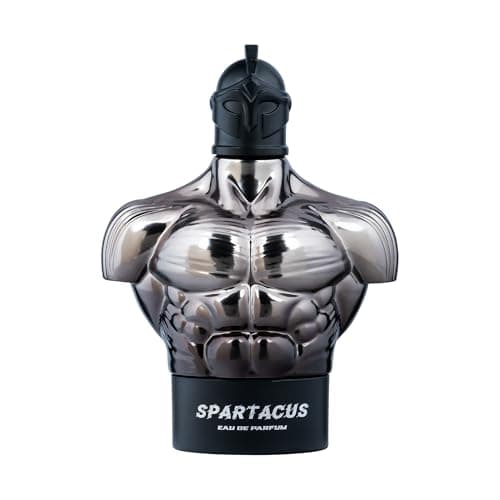
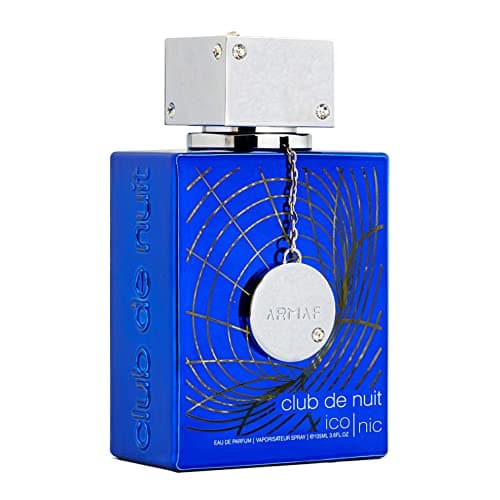
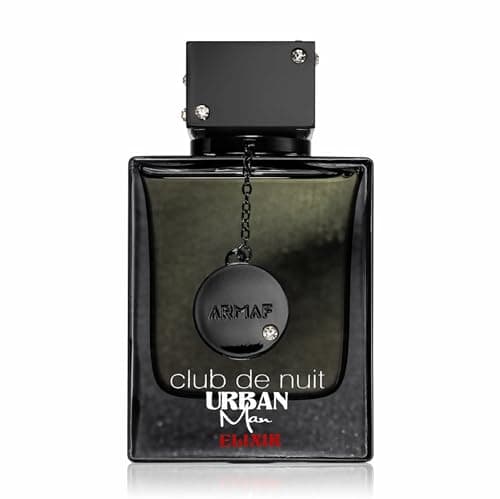
The three picks below are not a shortlist. They are the complete set of bottles in our catalog whose houses publish labdanum — all three are Armafs, and there is no fourth across the other forty-six. That is itself informative: labdanum is a material houses use far more often than they disclose, because "amber" is the easier word to print.
Why only three bottles out of forty-nine list it
Because disclosure in this industry is a marketing decision. Note lists are curated: houses publish the materials they want associated with the fragrance and leave out the structural ones. "Amber" sounds appealing and needs no explanation; "labdanum" sounds technical and raises a question. So the accord gets named and the material does not.
Which means the honest version of this page is: labdanum is almost certainly in far more than three of the bottles we rank, and we can only point at the three that admit it. We would rather tell you that than imply the published lists are complete. It is the same reason our methodology page says we compile published pyramids and aggregated owner reports rather than claiming to know formulas.
Who should avoid it
Nobody avoids labdanum specifically — it is too ubiquitous and too rarely disclosed for that to be practical. But if you consistently dislike amber fragrances, labdanum is very likely the reason, and the useful conclusion is to avoid the accord rather than to hunt the material. The honeyed-animalic quality is the usual culprit: a minority of people read it as cloying or slightly sour, particularly in heat.
If that is you, the families to look at are fresh, citrus and aquatic — our summer colognes roundup and office colognes roundup are mostly labdanum-free territory by construction. And if you are not sure which camp you are in, how to test cologne before you buy is the cheap way to find out, because labdanum lives in the base and only shows up properly after a few hours.
Labdanum against the other warm base materials
Four materials do the warm-and-sweet work in a fragrance base, and they are routinely confused on a note list.
- Labdanum — sweet, leathery, balsamic, dried fruit, faintly animalic. The backbone of amber.
- Benzoin — much simpler: sweet, vanillic, powdery. Often used alongside labdanum to round it off.
- Tonka bean — almond, hay, cinnamon-adjacent sweetness. More gourmand and less resinous. What is tonka bean is the full explainer.
- Ambroxan — clean, mineral, skin-like, synthetic. Warmth without the sweetness or the dirt, which is why modern fresh fragrances use it instead of labdanum. What is ambroxan is the page.
A base listing labdanum andambroxan — which Armaf's Urban Man Elixir and Blue Iconic both do — is a deliberate hedge: old-world resinous depth plus modern clean lift. It is the most common shape in the current affordable market.
Season and setting
Labdanum-heavy fragrances are cold-weather propositions, nearly without exception. The resin is sweet and heavy, it amplifies in heat, and the animalic undertone gets more audible as the temperature rises. In practice that means fall and winter, evenings, and two sprays rather than four.
The exception on this page is Blue Iconic, where the labdanum sits under a citrus-and-mint top and an incense base, producing a dry rather than sweet warmth — which is exactly why it is the one bottle in the Club de Nuit range you can wear in August. Our fall colognes roundup and winter colognes roundup are where this material belongs, and how many sprays of cologne has the arithmetic for heavy bases.
How to learn the note deliberately
Spray one of the picks above and come back to it after four or five hours. The citrus and spice will be long gone and what is left is the base — which is where labdanum lives and the only place you will ever meet it cleanly. Do that once and the word stops being abstract. Our testing guide builds that wait into its protocol for exactly this reason, and fragrance families explained puts the material in the context of the oriental and chypre families it anchors.