Oud & Amber · Oud & Amber
What Is Amber in Fragrance?
Amber is the warm, sweet, cozy glow at the heart of so many great scents - and it isn't a fossil, a gemstone, or ambergris. Here's what it really is.
Oud & Ember is reader-supported. We earn a commission when you buy through our Amazon links, at no extra cost to you. It never changes our verdict — and we say so when the cheaper bottle is the smarter buy. How this works.
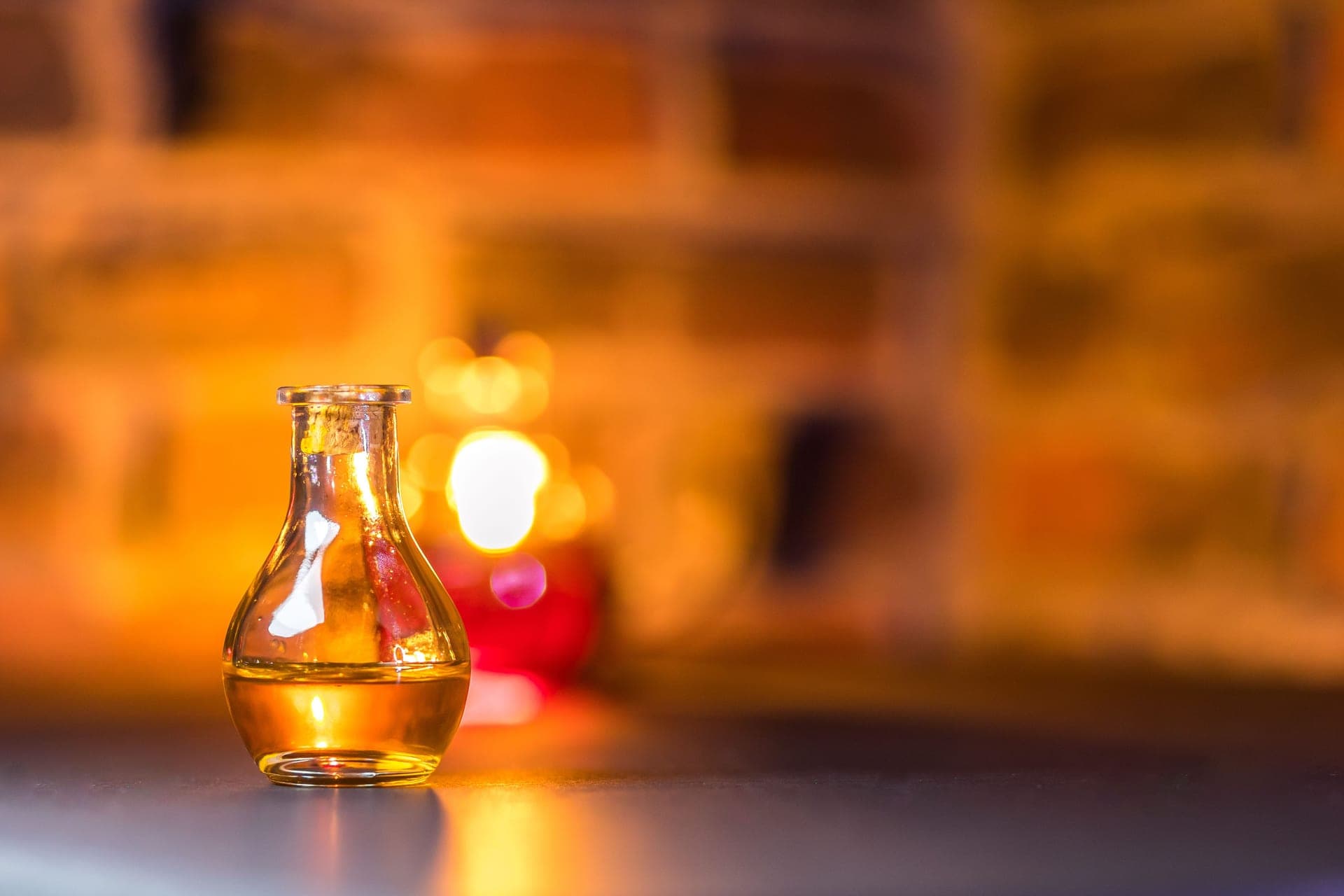
"Amber" is one of the most-used words in fragrance and one of the most misunderstood. It shows up in bottle names, note lists, and reviews everywhere, and it describes a smell almost everyone loves - warm, sweet, cozy, a little resinous, faintly powdery, and somehow expensive-feeling. But amber in perfume is not the golden fossil you find in a museum, and it is not ambergris either, even though the names get tangled constantly. Here is the plain-English version of what amber actually is, what it is made of, why it smells so good, and how it differs from its frequent partner, oud.
Amber is an accord, not a single ingredient
The first thing to understand is that amber is not one raw material you can point to. It is an accord- a blend of ingredients combined to create a specific impression, the way a chord in music is several notes played together to make one sound. There is no single "amber flower" or "amber tree" that gets squeezed into a bottle. Perfumers build the amber effect by combining a handful of warm, sweet, resinous materials until the result reads as that cozy golden glow we all recognize. That is why two ambers can smell quite different while both being unmistakably "amber" - the recipe varies, but the warm sweet impression is the shared goal.
What amber is actually made of
Classic amber accords lean on a small cast of warm materials, and knowing them makes note lists far easier to read:
- Labdanum - a sticky, dark resin from the rockrose plant, and the backbone of most ambers. It brings a rich, sweet, slightly leathery, honeyed warmth that is the soul of the accord.
- Vanilla - the sweet, creamy, comforting element that rounds the resins off and gives amber its dessert-like edge. Not every amber is heavy on it, but it is a common partner.
- Benzoin - another sweet balsamic resin, warm and almost caramel-like, which adds depth and a soft powdery smoothness.
- Other resins and balsams - things like styrax and tolu, plus a whisper of spice, that fill out the accord and give individual ambers their character.
Combine those and you get the effect: warm, sweet, resinous, a little powdery, and long-lasting. Because these are heavy base-note materials, amber tends to sit low in a fragrance and linger for hours - it is the glow you still smell at the end of the day.
What amber is NOT: fossils and ambergris
Two mix-ups cause almost all the confusion, so let us clear both up.
It is not fossilized amber. The honey-colored fossil resin used in jewelry - the kind that sometimes traps ancient insects - is a real, beautiful thing, but it is essentially odorless and is not what perfumers mean by amber. The fragrance accord borrowed the name for its warm, golden, glowing feel, not because the gemstone smells like anything. So when a bottle says "amber," nobody melted down a fossil to make it.
It is not ambergris.This is the trickier one, because the names look almost identical. Ambergris is a completely different material - a rare, waxy substance that originates from sperm whales and, in perfumery, is almost always recreated synthetically today. It smells marine, salty, animalic, and slightly sweet, and it is prized for making fragrances radiate. That is a totally different effect from the warm, sweet resin of an amber accord. Same first six letters, different world. If a review raves about "ambergris" giving a scent a salty, airy radiance, that is not the cozy amber we are talking about here.
Why amber reads warm, cozy, and expensive
There are real reasons amber feels the way it does. The materials behind it are heavy, resinous base notes - slow to evaporate, so they linger and give a scent staying power and depth. That richness and longevity is a big part of why amber smells "expensive": cheap, thin fragrances tend to be all bright top notes that vanish, while a good amber has weight and persistence you can feel wearing it. The sweetness and warmth also tap into something comforting and a little nostalgic - vanilla, caramel-like resins, soft spice - which is why so many people describe amber scents as cozy or inviting. There is also a psychological pull to it: warm, sweet, resinous smells read as rich and grown-up, the fragrance equivalent of soft leather and candlelight, so an amber can make you feel dressed-up even on an ordinary day. In cool weather especially, that warm glow blooms beautifully, which is why amber is a cornerstone of fall and winter fragrance - the cold keeps the sweetness in check and lets the depth show. If you want to see the accord in action, our roundup of the best amber fragrances is full of affordable bottles built around exactly this effect.
"Amber" vs "oriental" - the naming shift
You will run into both words, and they are closely related. For a long time the fragrance world used "oriental" as the name for the big family of warm, sweet, spicy, resinous scents - the amber-rich end of the spectrum. In recent years the industry has largely moved to calling that same family "amber"instead, as a clearer and less loaded label. So if you see an older guide describe a fragrance as "oriental" and a newer one call something similar "amber," they are pointing at broadly the same warm, sweet, resinous territory. It is a change in naming, not a change in what the scents smell like.
How amber differs from oud
Amber and oud get mentioned together constantly - plenty of bottles feature both - but they are different things doing different jobs. Amber is that warm, sweet, resinous glow we have been describing. Oud is a woody note: it comes from agarwood, and in its raw form it reads smoky, resinous, leathery, and even a little medicinal or funky - far less sweet and far more intense than amber. In a fragrance, amber often supplies the cozy sweetness while oud supplies dark, woody depth, which is why the two pair so well. If you are trying to tell them apart on your skin or decide which you actually prefer, we break the whole thing down in oud vs amber, and if you want the deep dive on the wood itself, start with what is oud.
Where to go from here
Now that amber makes sense, the fun part is smelling it. If the warm, sweet, cozy description sounds like your thing, the affordable Arabian houses are the smartest place to start - they make rich, long-lasting ambers for a fraction of designer money. Our best amber fragrances is the natural next stop, and if you like the idea of that warmth with a woody-oud edge, the affordable oud colognes roundup shows where amber and oud meet. Either way, you can explore the whole warm world of this site from the oud and amber hub.
Amber is an accord rather than a material, and the material it is mostly built from now has a page of its own: what is labdanum in perfume covers the sticky rockrose resin behind almost every amber fragrance on this site, and why so few houses print its name.
Questions
Frequently asked
What does amber smell like?
Is amber the same as ambergris?
Is fragrance amber made from the fossil amber in jewelry?
What ingredients make up an amber accord?
Is amber the same as oriental?
What's the difference between amber and oud?
Keep reading
Related
More in Oud & Amber
Receipts
Sources
- Amber (perfume accord) - Wikipedia
- Fragrance families & the fragrance wheel - Bespoke Unit
- Perfume - Wikipedia
We do not run a testing lab, and we do not pretend to. Our scores are judgments from compiled research — published notes and concentration data, plus aggregated owner and community reports — and first-hand impressions only where genuine. Where we could not verify something, we say so rather than quietly leaving it out. Read our full method.