Spend a week reading fragrance recommendations and five names keep coming back: Lattafa, Al Haramain, Armaf, Rasasi and Afnan. They get treated as interchangeable - a single bucket labeled "cheap Arabian fragrance" - and that is genuinely misleading, because they have distinct house styles, different strengths, and different reasons for existing. This page is the map. One flagship each, what the house is actually good at, and who should start where.
Lattafa - the gourmand powerhouse
Lattafa is the house that took this whole category mainstream. Its reputation rests on warm, sweet, heavily performing fragrances - vanilla, dates, cinnamon, booze, oud - built for cold weather and compliments. If you have heard of exactly one bottle from this world, it is probably a Lattafa.
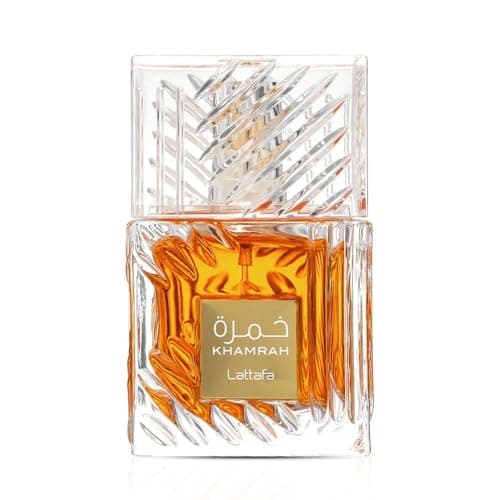
Start with Khamrah, the spiced-vanilla gourmand that became a phenomenon on its own merits. If you want the darker end of the range, Asad and Oud for Glory are the two to look at, and our Lattafa oud lineup guide maps the smoky half of the catalog properly.
Skip the house if sweetness is not your thing. Lattafa does make cleaner fragrances - Fakhar and Ana Abiyedh Rouge among them - but the sweet gourmands are what it is genuinely best at.
Al Haramain - amber, and lots of it
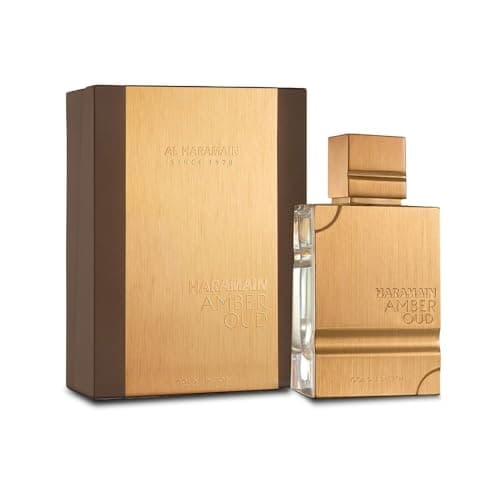
Al Haramain is an older, more traditional house, and its calling card is the Amber Oud line: a family of editions built on the same rich amber base with different characters layered on top. It is one of the few affordable ranges with a genuinely coherent identity from bottle to bottle.
Start with Amber Oud Gold Edition, the sweet fruity-amber that made the line famous and remains one of the most complimented cheap bottles anywhere. From there the range splits by mood - Ruby is louder and fruitier, Tobacco is cozy and dry, Carbon is the sober one you can wear to work. Our Amber Oud editions guide covers which to buy second.
Armaf - the designer interpreter
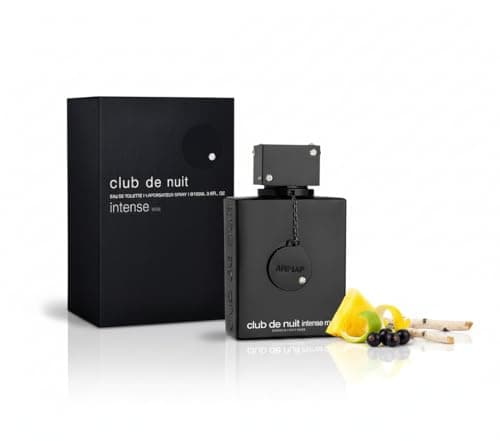
Armaf built its reputation on interpretations of well-known designer fragrances, and it is unusually good at them. The Club de Nuit range in particular is one of the most talked-about things in affordable fragrance, and it delivers a genuine department-store impression for drugstore money.
Start with Club de Nuit Intense Man, the smoky-pineapple bottle that put the house on the map - just be aware it is a projection monster and batch variation is widely reported. Its green daytime sibling Sillage is the calmer option, and the two are compared here.
Armaf is the house to choose if what you want is a familiar designer shape at a fraction of the price. It is the least original of the five by design, which our best cologne dupes under $50 roundup treats as a feature rather than a criticism.
Rasasi - the quiet performer
Rasasi is an established Emirati house that gets less attention than Lattafa and produces some of the most consistently well-made fragrances in this price band. Its signature is performance without shouting: bottles that last remarkably well and stay wearable.
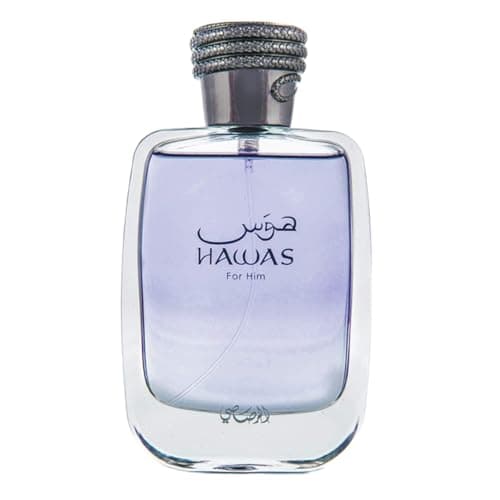
Start with Hawas For Him, a fresh fruity-aquatic with all-day longevity that is rare in the fresh category, and one of the few bottles here we would recommend as a genuine one-and-only fragrance. It leads our best everyday colognes list for that reason.
Afnan - the friendly one
Afnan sits between the others: sweeter than Rasasi, less dramatic than Lattafa, and with a knack for making fragrances that almost nobody dislikes. It is the house that produces good gifts and good first bottles.
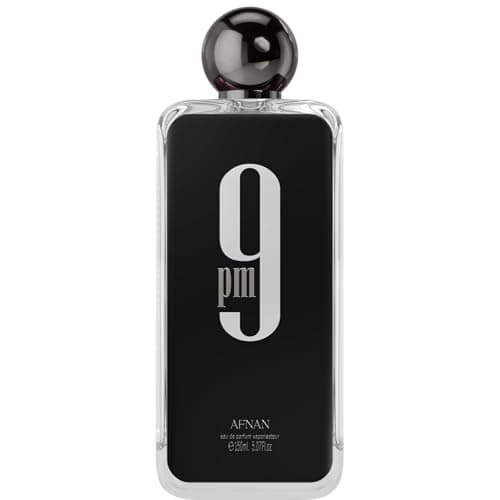
Start with 9PM, the apple-and-cinnamon sweet amber that has been a default recommendation for years, or Supremacy Silver if you want something fresher. Neither is going to be the most interesting bottle you own, and both are close to impossible to get wrong - which is exactly why they anchor our best colognes for beginners list.
Which house should you start with?
- You want compliments and cold-weather warmth: Lattafa.
- You want rich, sweet amber with a coherent range to explore: Al Haramain.
- You want a specific designer scent for less: Armaf.
- You want one bottle that works for everything: Rasasi.
- You want the safest possible first purchase or a gift: Afnan.
What they have in common
All five ship most of their range at eau de parfum strength and formulate for performance, which is why owner reports of all-day wear are so common across this category compared with lighter designer releases. All five are affordable enough that owning three of them costs less than one designer bottle. And all five share the same trade-offs - less refined dry-downs, more batch variability, and a catalog that leans on familiar shapes. The honest economics behind that are covered in why Arabian colognes are so cheap, and batch variation gets its own page because it comes up often enough to deserve one.
One consequence of this tradition is that the gender labels on US listings for these bottles are applied after the fact, by importers and marketplaces, and are not consistent. What does unisex actually mean on a fragrance covers why, using examples from these houses' own product pages.
What these houses share, and where the style comes from
The family resemblance people notice across all five is real and it has a cause. The Gulf perfume tradition is built on materials that Western designer perfumery treats as accents rather than foundations - oud, amber, saffron, rose, incense - and on a cultural expectation that a fragrance should last and be noticed. Those two things together explain most of what makes this category feel distinct: richer bases, higher concentrations, and far more confidence about projection than a mainstream designer release would risk.
It also explains the export success. When these houses started reaching a wider audience, they arrived into a market where designer fragrances had been getting progressively lighter and more risk-averse for years. A cheap bottle that lasted ten hours and smelled like something was, for a lot of buyers, an obvious trade. Our guide to the economics covers why the prices stayed low as the audience grew.
Reading a range without getting lost
The biggest practical problem with these houses is not quality - it is navigation. Catalogs are enormous, naming is inconsistent, and the same fragrance can appear under several bottle sizes and packaging revisions. Three habits solve most of it:
- Buy on the full product name, not the range. Club de Nuit is a range containing fragrances that smell nothing alike, and Amber Oud is four different scents sharing a base. The range name tells you almost nothing.
- Read the note list on the listing before you order. Thirty seconds here prevents the most common disappointment in this entire category.
- Check the concentration. Most of these ship as eau de parfum, but not all, and it is the single best predictor of how long a bottle will last. Our concentrations guide explains what the labels mean.
What none of these houses do well
Being useful means being honest about the ceiling. Across all five, the weakest link is the same: refinement in the dry-down. These fragrances open impressively and hold their shape for hours, and then most of them simplify into something noticeably less interesting than where they started. A good designer or niche fragrance tends to do the opposite.
The second shared weakness is consistency. Higher-volume, lower-margin production varies more, and the most popular bottles are also the most counterfeited - which means the odd disappointing bottle is a feature of the category rather than bad luck. Our batch variation guide explains how to tell a weak batch from an actual fake, and how to spot fake cologne covers the physical checks.
A sensible first three bottles
If you are starting from nothing and want one bottle from three different houses rather than three from one, this is the set we would build: Hawas from Rasasi for daylight and versatility, Khamrah from Lattafa for cold weather and compliments, and Amber Oud Gold from Al Haramain for evenings when you want richness. Three registers, three houses, and a total cost below a single designer bottle.
Add Armaf fourth, when you have a specific designer scent in mind that you would rather not pay for - that is what the house is genuinely best at, and our best cologne dupes under $50 roundup is the shortlist.
Two pages go deeper than this overview can. For the house with the most entries in our catalog and the least internal coherence, the best Al Haramain fragrances ranks across its three unrelated lines. And for where these houses sit in the wider market - which is not the niche-versus-designer split everyone uses - niche vs designer fragrance names the third tier properly.