Four things, in order of how much they actually matter: concentration, note weight, fixative-heavy bases, and a cultural brief that was never about subtlety. None of them is a trick, and none of them requires the fragrance to be cheap or badly made. An eau de parfum from Lattafa or Afnan commonly outlasts an eau de toilette from a French designer house for the dull reason that it contains more perfume oil, built from heavier materials, over a base designed to slow evaporation down. If you have noticed that a bottle you paid very little for outperforms one you paid a great deal for, you are not imagining it and you are not being flattered by novelty.
The one thing worth saying up front: this is a generalization about a category, not a law. Plenty of Arabian bottles are weak and plenty of designer bottles are monsters. What follows is why the tendency exists.
1. Concentration, which does most of the work
The biggest single factor is the most boring one. Fragrance is aromatic compounds dissolved in alcohol, and the percentage of compound is what the eau de toilette / eau de parfum / extrait labels loosely describe. More compound means more material to evaporate, which means more hours.
Western designer fragrances are heavily weighted toward eau de toilette, because EDT is cheaper to make and because the market was trained on it. The Arabian houses default to eau de parfum and increasingly to extrait de parfum — the highest concentration in general circulation — at prices Western houses charge for an EDT. Every single bottle in our catalog of forty-nine is EDP or extrait. Not one is an EDT by choice; the two EDTs we rank are a Nautica and an Armaf that predate the current wave.
That is the comparison people are actually making when they are surprised. It is usually not "cheap Arabian bottle versus expensive French bottle". It is "eau de parfum versus eau de toilette", and the label difference would predict the result at any price. Fragrance concentrations explained sets out what each label does and does not promise.
2. Note weight: what the fragrance is made of
Concentration is not the whole story, because a very concentrated citrus fragrance will still disappear. Molecules evaporate at rates determined by their size and volatility, and the materials the Gulf tradition favors are at the heavy end of the scale.
Oud, amber resins, labdanum, benzoin, sandalwood, vanilla, tonka, musks and tobacco are all slow-evaporating materials. Citrus, aquatic accords, green notes and most light florals are fast. A fragrance built on the first list lasts because of what it is, and a fragrance built on the second does not, however much of it is in the bottle.
So part of the longevity gap is a genre gap. The Arabian category is disproportionately amber, oud and gourmand — which are the long-lasting families — and the designer category is disproportionately fresh and aquatic, which are not. Compare an Arabian aquatic against a designer aquatic and the gap narrows sharply.
3. Fixative-heavy bases
A fixative is a material that evaporates slowly and slows down the lighter materials blended with it. Patchouli, labdanum, benzoin, ambroxan and synthetic musks all do this, and the affordable Arabian houses use them generously because they are inexpensive and because longevity is what their customers buy on.
You can see it in the published pyramids. Count the base notes on an Arabian EDP and on a designer EDT in the same family and the Arabian list is routinely longer and heavier. That is a deliberate design choice: patchouli and labdanum cost very little and buy a great deal of wear time.
It is also the main reason a cheap fragrance can have genuinely good longevity without being good in any other way. Longevity is the cheapest quality to buy.
4. A different brief
The last reason is cultural rather than technical, and it explains the direction of all three above. In the Gulf perfume tradition these houses come from, a fragrance is expected to be noticed, to last through an evening, and often to be layered with others. Presence is the point. In the Western designer market shaped by office norms and mass retail, a fragrance is expected to be pleasant and inoffensive, and "too strong" is the most common complaint a brand wants to avoid.
Two markets, two briefs, two sets of formulation decisions — and the result is a category that systematically over-delivers on the one axis Western buyers have been trained to treat as a premium feature. Arabian fragrance houses explained covers that tradition, and why Arabian colognes are so cheap is the companion piece on where the money goes.
What to look for if longevity is what you are buying
Five checks, in order of reliability. This is the part to use.
- Concentration first. Extrait beats EDP beats EDT, with exceptions. It is the single most predictive thing on the box.
- Then the base tier of the published pyramid.Resins, woods, vanilla, musk and tonka mean hours. If the base is "musk" and nothing else, be skeptical.
- Then the family. Amber, oud, gourmand and tobacco last. Fresh, citrus and aquatic do not, and no amount of concentration fully fixes that.
- Ignore projection claims. A fragrance that is loud for two hours is not a long-lasting fragrance, and the two get conflated constantly. Projection versus sillage separates them.
- Discount your own nose. You stop perceiving your own fragrance long before other people do, which makes self-reported longevity unreliable in both directions. Why you cannot smell your own cologne explains the mechanism.
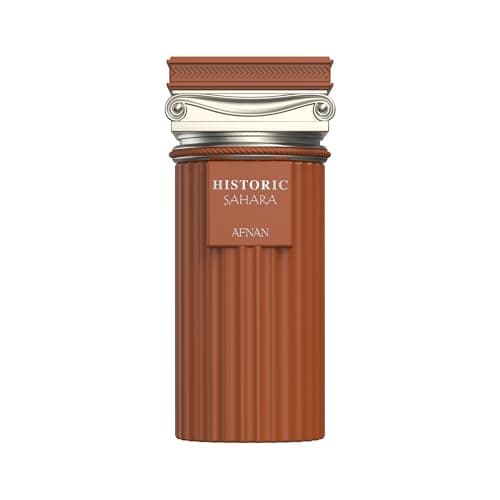
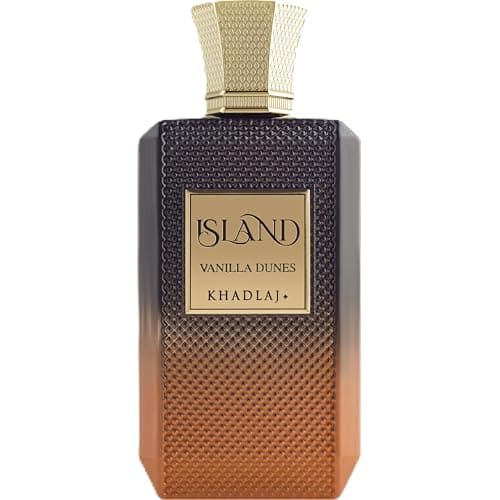
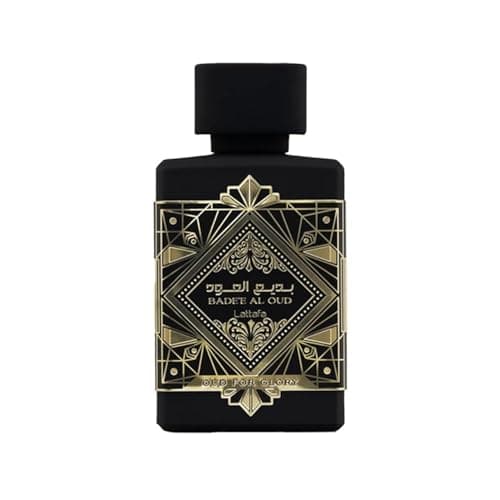
The three picks below follow a rule rather than our preference: the catalog's only two extrait de parfums, plus the single highest-longevity eau de parfum we rank. Of the forty-nine bottles in our catalog, exactly two are extraits — Afnan Historic Sahara and Khadlaj Island Vanilla Dunes — and Lattafa Oud for Glory is the only EDP scoring 9 for longevity that also scores 10 for value. They are here as illustrations of the argument, not as a list of the best fragrances.
The honest limits of all this
Three caveats, because a page that only sells the thesis is not useful.
Longevity is not quality. It is one axis of five on our rubric, and it is the cheapest one to engineer. A bottle that lasts twelve hours and smells synthetic for all twelve is a worse purchase than a beautiful four-hour fragrance. The reason we score five axes rather than one is precisely that longevity is the easiest number to impress people with.
Batch variation is real in this category. The affordable houses reformulate quietly and quality control is less consistent than at a French house, so two bottles of the same fragrance can perform differently. Fragrance batch variation is the page on it.
A long-lasting fragrance you chose badly is a long-lasting problem. Eight hours of something you have gone off by hour two is the single most common regret in this category, and it is an argument for sampling. How to test cologne before you buy has the protocol.
What "lasts a long time" should actually mean
Expectations in this category have been inflated by marketing and by enthusiasts comparing notes on the internet, so here is a calibration worth having.
- 3 to 4 hours — normal for a citrus or aquatic eau de toilette. Not a defect.
- 5 to 7 hours — a good result for a fresh eau de parfum, and what most of the fresh bottles we rank deliver.
- 8 to 10 hours — what a well-built amber, oud or gourmand EDP should do. This is where most of our catalog sits.
- 12 hours or more, and scent on fabric for days — extrait territory, and heavy resin bases. Genuinely achievable, and not always desirable.
If a bottle is giving you less than the band its concentration and family suggest, the cause is usually application or storage rather than the fragrance.
The two things that actually improve your own results
Beyond buying the right concentration, two interventions genuinely work and the rest is folklore.
Apply to moisturized skin. Dry skin is a poor substrate — fragrance evaporates off it faster. An unscented moisturizer first is the single most effective free thing you can do, and it is worth more than any of the tricks that circulate. How to make cologne last longer covers the technique properly, and how to apply cologne covers placement.
Store the bottle properly. Heat, light and temperature swings degrade fragrance, and the bathroom shelf is the worst place in the house for it. A fragrance that has lost its top notes to a sunny windowsill will read as weak when it is actually damaged. How to store cologne and does cologne expire are the two pages on that.
Where to go next
If longevity is the priority, our best long-lasting colognes roundup ranks the field on exactly that axis rather than on this page's illustrative rule. If you want the warm, heavy families that last by construction, affordable oud colognes and best vanilla colognes are the two lanes to start in. And if you have concluded that the category is worth taking seriously, the Lattafa lineup is the house to learn first.