Fragrance Guides · Guides
How to Apply Cologne the Right Way
Where to spray, how much, how far — and the one habit (rubbing) that quietly ruins your scent.
Oud & Ember is reader-supported. We earn a commission when you buy through our Amazon links, at no extra cost to you. It never changes our verdict — and we say so when the cheaper bottle is the smarter buy. How this works.
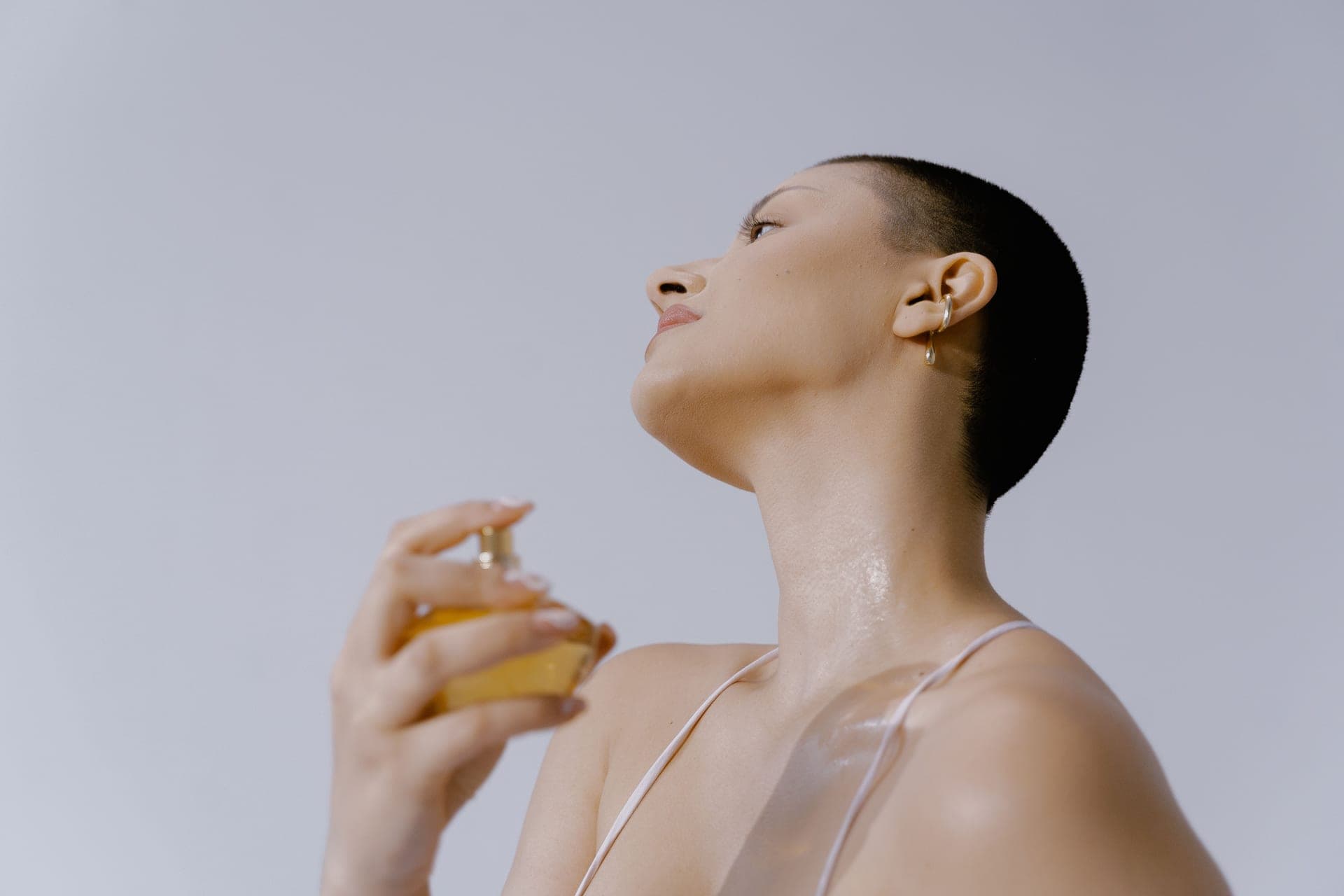
Applying cologne well is not complicated, but a few small habits make the difference between smelling great and either fading by lunch or choking the elevator. The whole thing comes down to a handful of choices: clean moisturized skin, the right spots, the right number of sprays, and one habit to break. Get these right and even an affordable bottle performs like it cost more.
Start with clean, moisturized skin
Fragrance grabs onto skin best right after a shower, when your skin is clean and warm. Even better, apply to moisturized skin. Dry skin has nothing for the scent oils to cling to, so a fragrance evaporates and fades faster on it; a little unscented lotion or an unscented moisturizer gives the oils something to hold onto and noticeably extends how long the scent lasts. If you can, use a plain, fragrance-free lotion so it does not fight your cologne — this one step is the cheapest longevity upgrade there is, and we go deeper on it in the guide to making cologne last longer.
Where to spray: pulse points and chest
The classic targets are your pulse points — the spots where blood vessels sit close to the surface and give off a little warmth, which gently lifts the scent through the day. The main ones are the sides of your neck, the chest, and the inner wrists. The neck and chest are the workhorses: scent sprayed there rises naturally toward your own nose and toward anyone you are talking to, at a friendly distance.
You do not need to hit every point. Two or three good spots are plenty. A common, reliable routine is one spray to each side of the neck and one to the chest. If you are wearing an open collar, the chest spray does a lot of quiet work, warming and releasing the scent as you move.
How many sprays, and from how far
For most people and most fragrances, two to four sprays total is the sweet spot. Lighter concentrations like an eau de toilette can take the higher end; a rich eau de parfum or parfum needs fewer, because the extra oil carries much further — one or two sprays of a potent amber can be plenty. When in doubt, start low. You can always add a spray; you cannot take one back.
Hold the bottle about a hand's width from your skin — roughly six inches. Too close and you get a concentrated wet patch; too far and most of the mist drifts past you onto the floor. That short distance lets the spray settle in a light, even veil rather than a single soaked spot. If you are not sure how strong a new scent is, this is exactly the case for trying a sample first so you can dial in the right number of sprays before you own a full bottle.
Do not rub your wrists together
This is the big one, and almost everyone does it out of habit: spray the wrists, then rub them together. Do not. The friction and heat from rubbing break down the most delicate top notes — the bright opening of the fragrance — so you literally rub away the first and most recognizable part of the scent. It can also speed up how fast the whole thing fades. Just spray and let it dry on its own. If you want to move the scent to your neck, dab gently, do not grind. Treat the fragrance like it is drying on paper: hands off.
Clothes, hair, and the spots to avoid
There is a real debate about spraying clothes versus skin, and both have a place. Skin is where a fragrance is designed to work — your body heat develops it through its stages, and the scent evolves the way the perfumer intended. That is the default, and it is what we recommend. Spraying clothes can make a scent last longer on the fabric and is a handy trick for a light EDT, but there are catches: some fragrances, especially darker oils and ouds, can stain light or delicate fabrics, and the scent will not evolve the same way off your skin. If you do spray clothing, test an inside seam first, and keep it away from silk, leather, and anything pale.
Skip spraying directly into your hair — the alcohol is drying — and go easy around the face and eyes. If you love a scent in your hair, mist it onto a brush and run that through instead. And do not layer a heavily scented deodorant or aftershave under a strong cologne unless they are meant to go together; competing scents muddy each other.
How to tell if you've over-applied
The honest truth about over-application is that you are the worst judge of it. Your nose adapts to a smell within minutes — it is called olfactory fatigue — so the fragrance you can barely detect on yourself may be filling the room for everyone else. That is why people who drench themselves genuinely cannot tell.
So do not chase the point where you can still smell it strongly on yourself; that way lies the guy nobody wants to sit next to. Apply your two to four sprays, resist the urge to add more just because it faded from your own awareness, and trust that it is still working. A good target is a scent people notice when they lean in close, not one that announces you from across the room. If a friend you trust ever mentions it is a lot, believe them over your own nose.
A simple routine to remember
Put it all together and it is easy: shower, moisturize, then spray two to four times onto your neck and chest from about a hand's width away, and let it dry without rubbing. Go lighter with a strong EDP, a little more with a light EDT, and lighter still in hot weather, where heat pushes everything louder — our summer picks are built for exactly that kind of restraint. Do that and any bottle in your collection will smell its best and last as long as it can.
Two related questions this raises constantly. Why can't I smell my own cologne explains why your own nose is the least reliable guide to how much you have applied, and why cologne smells different on everyone covers the skin-chemistry half of the same problem.
Two application questions come up often enough to have their own pages now. Can you spray cologne on clothes covers the fabric option properly, including which fabrics mark and why a fragrance develops differently there. And if the first thing you smell after spraying is alcohol rather than fragrance, that is usually normal and fixable.
Questions
Frequently asked
Where should I spray cologne?
How many sprays of cologne should I use?
Why should I not rub my wrists together?
Should I spray cologne on my skin or my clothes?
How do I know if I am wearing too much?
Keep reading
Related
- Make cologne last longerPrep, placement, and storage tricks for more hours.
- Projection vs sillageHow much scent you throw, and how far - the words behind good application.
- Best cologne sample setsDial in your sprays before buying a full bottle.
- Best summer colognesGo lighter when heat turns everything up.
- How many sprays of cologneThe exact dosage question, answered by strength and occasion.
- How to layer cologneThe simple rules for combining scents once you have the basics down.
More in Guides
Receipts
Sources
- Fragrance basics & application — Bespoke Unit
- Sillage — the scent trail explained — Wikipedia
- Fragrantica — community fragrance database
We do not run a testing lab, and we do not pretend to. Our scores are judgments from compiled research — published notes and concentration data, plus aggregated owner and community reports — and first-hand impressions only where genuine. Where we could not verify something, we say so rather than quietly leaving it out. Read our full method.