Fragrance Guides · Guides
How to Make Your Cologne Last Longer
Why some scents vanish in an hour — and the simple, free habits that squeeze more life out of the bottle you own.
Oud & Ember is reader-supported. We earn a commission when you buy through our Amazon links, at no extra cost to you. It never changes our verdict — and we say so when the cheaper bottle is the smarter buy. How this works.
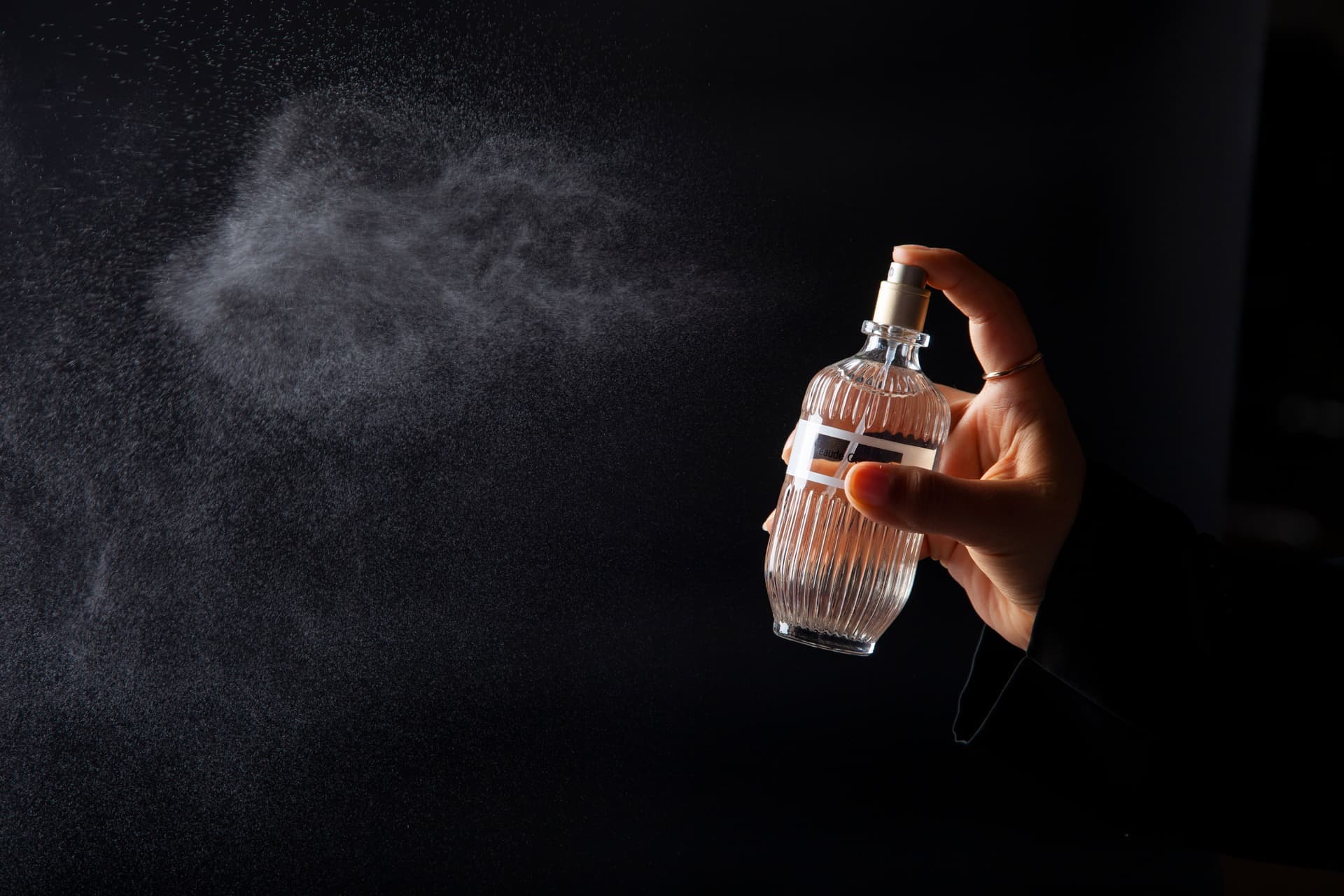
Few things are more disappointing than a fragrance you love that is gone by the time you reach the office. The good news is that longevity is only partly about the bottle — a lot of it is about how and where you apply it, and those parts are free to fix. Here is why some scents vanish so fast, and the simple habits that get more hours out of what you already own.
Why some scents vanish in an hour
Three things mostly decide how long a fragrance lasts. The first is concentration: a light eau de cologne or eau de toilette simply has less perfume oil to work with, so it is built to be fresh and fleeting, while an eau de parfum has more staying power. If you want the full breakdown, our guide to fragrance concentrations lays out the whole ladder.
The second is your skin. Oily, well-hydrated skin holds onto scent far longer than dry skin, which lets a fragrance evaporate away quickly. This is why the exact same cologne can last all day on one person and two hours on another — it is not the bottle, it is the canvas. The third is the scent family: bright, fresh, citrusy scents are made of light materials that naturally lift off fast, while warm, heavy notes like amber, vanilla, oud, and musk are dense and slow to evaporate, so they cling for hours. None of this is a defect. A crisp summer splash is supposed to be light. But once you know the causes, you can work with them.
Prep your skin before you spray
The single biggest free upgrade is to apply to moisturized skin. Fragrance oils need something to hold onto, and hydrated skin gives them a surface to bind to instead of evaporating into the air. Right after a shower, while your skin is still slightly warm, smooth on a plain unscented lotion, then apply your cologne on top. Do not use a scented lotion for this — it will fight your fragrance — the whole point of an unscented one is that it adds moisture without adding a competing smell.
A small trick that builds on this: if the fragrance house makes a matching unscented-friendly body product, or you just keep a tub of fragrance-free lotion by the bottle, using it every time turns into a real, noticeable boost over weeks. It is the cheapest longevity hack there is.
Spray smart: pulse points, skin not clothes
Where you spray matters as much as how much. Target your pulse points — the neck, chest, and inner wrists — where a little body warmth gently pushes the scent out over the day rather than all at once. Spraying onto warm skin like this helps a fragrance release slowly and last, and it puts the scent where people actually notice it.
Spray skin, not clothes, as your default. Your body heat is what develops a fragrance through its full arc, from the bright opening to the long, rich dry-down, and that only happens on skin. Fabric can hold a top-note smell, but it will not let the scent evolve, and darker oils can stain delicate or pale material. And do not rub after spraying — the friction and heat break down the top notes and can make the whole thing fade faster. Spray, and let it dry on its own. We cover the full technique in the how to apply cologne guide.
Layer with an unscented lotion
Layering is worth calling out on its own because it is so effective and so underused. The idea is to build a base that holds scent: clean skin, then an unscented moisturizer, then the fragrance. Some people go further and use a plain, unscented petroleum-style balm on a pulse point, then spray over it — the balm acts like an anchor that the oils cling to, stretching the wear time. Keep everything in the stack unscented so nothing competes with the cologne you actually want to smell.
A related move for scents you own in a lighter concentration: reapply strategically rather than drowning yourself in the morning. A single refresher spray in the early afternoon, on warm skin, keeps a light EDT going without the overload of trying to make one morning application last twelve hours it was never designed for.
Store your bottles right
Fragrance is more fragile than it looks, and bad storage quietly degrades it over months — a scent that has gone off will never last well no matter how you apply it. The enemies are heat, light, and air. Keep your bottles out of direct sunlight and away from hot, steamy spots. That means the bathroom, where the shower creates heat and humidity swings, is one of the worst places to store cologne, despite being the most common. A cool, dark drawer or a closet shelf, with the bottle upright and the cap on, is ideal. Leaving bottles open or half-empty for a long time lets air oxidize the oils, so keep them sealed. Treat your fragrances a bit like wine and they will smell true — and perform — for years.
Choose scents built to last
Habits will only take a genuinely light scent so far. If long wear is a real priority for you, buy for it. Reach for a higher concentration — an eau de parfum or parfum — because more oil is the most reliable longevity there is. And lean toward the heavier scent families: ambers, gourmands, ouds, and woody musks are made of dense materials that naturally cling for hours, which is exactly why the warm Arabian-house scents are famous for going the distance without a designer price. If that is the sound of your ideal signature, our best amber fragrances and our roundup of the longest-lasting colognes are the two places to start. Pair a scent built to last with the free habits above, and you will get every hour the bottle has to give.
Before you conclude a bottle is weak, rule out the more common explanation: your own nose adapting to it, which our guide to why you cannot smell your own cologne covers. And if you want to understand what is doing the fixing inside a modern fragrance, what is ambroxan explains the material responsible for most of it.
One lever above deserves its own treatment, because it is both the most effective and the most likely to cost you a shirt: spraying cologne on clothes. And a caution about the opposite approach - trying to make a fragrance last by applying more of it is the main route to giving yourself a headache, so increase the surface rather than the dose.
If you want to know why some bottles need none of this and others need all of it, why do Arabian perfumes last so long sets out the four structural reasons an entire category out-performs on this axis - and concentration does most of the work.
Questions
Frequently asked
Why does my cologne disappear so quickly?
What is the best way to make cologne last longer?
Does moisturizing before cologne really help?
How should I store cologne so it lasts?
Which types of scents last the longest?
Should I spray cologne on my clothes to make it last?
Keep reading
Related
More in Guides
Receipts
Sources
- Sillage & scent projection — Wikipedia
- Aroma compounds & volatility — Wikipedia
- Fragrance basics & longevity — Bespoke Unit
We do not run a testing lab, and we do not pretend to. Our scores are judgments from compiled research — published notes and concentration data, plus aggregated owner and community reports — and first-hand impressions only where genuine. Where we could not verify something, we say so rather than quietly leaving it out. Read our full method.