Fragrance Guides · Guides
Does Cologne Expire?
Fragrance does not expire on a fixed date, but it does change over time. How long a bottle really lasts, how to tell when it has turned, and whether old cologne is safe to wear.
Oud & Ember is reader-supported. We earn a commission when you buy through our Amazon links, at no extra cost to you. It never changes our verdict — and we say so when the cheaper bottle is the smarter buy. How this works.
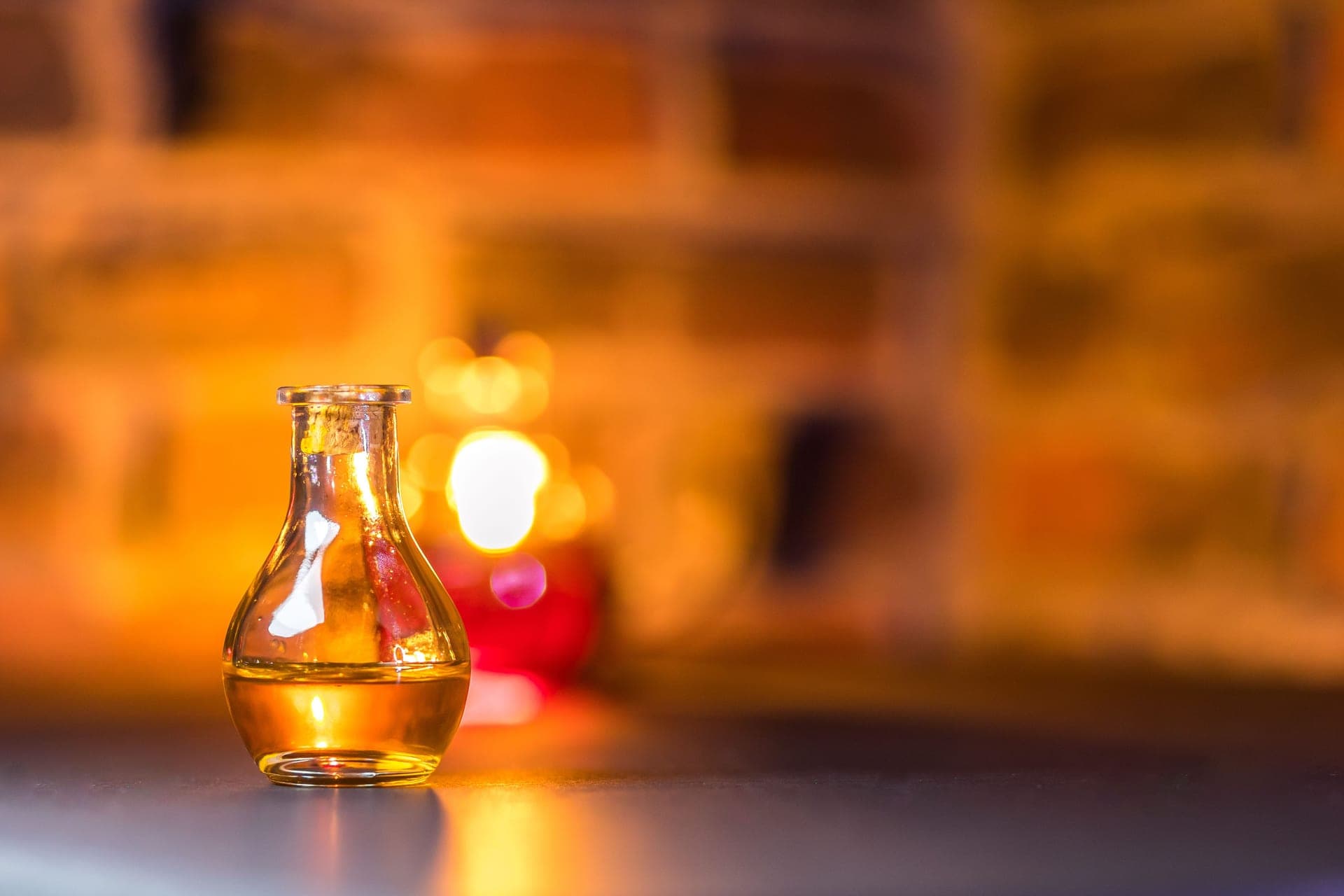
It is one of the most common fragrance questions, and the answer is reassuring: cologne does not spoil like food, and there is no single day it suddenly goes bad. What actually happens is slower and more interesting. Over a long enough stretch of time - and much faster if the bottle is treated badly - the aroma materials inside gradually break down, the balance drifts, and a scent you loved can start to smell flat, sour, or just off. A well-kept bottle can stay lovely for years; a poorly-kept one can turn far sooner. Here is how long fragrance really lasts, what quietly shortens its life, how to tell when a bottle has turned, and whether it is safe to wear old cologne.
So does it actually expire?
Yes and no, and the honest version is more useful than a flat rule. Fragrance has no fixed "use by" date the way milk does, and most bottles do not carry a hard expiration stamp. Instead, a cologne has a shelf life that depends almost entirely on how it is stored and what it is made of. Kept cool, dark, and sealed, an unopened or lightly-used bottle can stay true for years - often a good long stretch. Once opened and exposed to air over time, the clock speeds up, but even then a well-treated bottle can remain excellent for years of normal use.
The useful way to think about it is not "expired or not" but "how far along the slow decline it is." A fragrance ages the way many natural materials do: gradually, from the most delicate parts first. The bright top notes go earliest, the overall composition shifts, and eventually - much later - the whole thing can smell tired or wrong. Your job is simply to slow that process down and to recognize when a bottle has finally gone too far.
What shortens a bottle's life
Three ordinary things do almost all the damage, and all three are within your control:
- Heat. Warmth speeds up every reaction inside the bottle, aging the aroma compounds faster and cooking off the delicate top notes first. A cologne stored somewhere warm can turn in months when it would have lasted years in a cool spot. Heat is the single biggest accelerator.
- Light. Ultraviolet light breaks apart the fragile molecules that give a fragrance its character and its color, which is why so many bottles come in tinted or boxed glass. A bottle on a sunny windowsill takes daily damage you can often watch as the juice slowly darkens.
- Air. Oxygen slowly oxidizes the perfume oils - the same basic process that browns a cut apple or turns cooking oil rancid. The more empty space above the liquid, the more air there is to do the work, which is why a bottle sprayed down to its last quarter often smells duller than a fresh one.
Humidity and big temperature swings pile on top of all three, which is why the bathroom - hot, steamy, and cycling constantly - is one of the worst places to keep a fragrance. If you want the full playbook on beating heat, light, and air, our guide to how to store cologne covers exactly where to keep your bottles and the small habits that add years to their life.
The signs a bottle has turned
A fragrance that has gone off almost always tells on itself. Watch for these three signs:
- The smell is off. This is the clearest tell. A sour, sharp, metallic, or rancid edge on the opening - something like old cooking oil or stale alcohol where the scent used to be fresh - means the top notes have degraded. If the first spray makes you wince, that is your answer.
- The color has shifted. If the juice has darkened noticeably or gone cloudy compared with how it looked when new, oxidation has been at work. A little darkening over a long life is normal; a dramatic change is a warning sign.
- Separation or a flat, lifeless feel. Visible separation or cloudiness in the liquid is a red flag, and so is a scent that has simply gone quiet - the depth and richness gone, barely lasting on the skin. That is an aged bottle that has lost its character.
One honest caveat: some of what looks like "turning" is really just a scent developing the way it was designed to. If you are not sure whether a note is meant to smell that way or the bottle has genuinely gone off, comparing it to how it smelled when new is the best test - a real turn is usually an unmistakable sour or rancid wrongness, not just a note you had not noticed before.
EDP vs EDT: does strength affect shelf life?
It does, and it is a genuinely useful thing to know. Lighter, fresher, citrus-forward fragrances tend to be the most fragile in the bottle. They are built around bright, volatile top notes that are the first materials to break down, so a light eau de toilette or an eau de cologne can lose its sparkle sooner than a heavier scent. Fresh, summery bottles especially deserve careful storage.
Richer, heavier fragrances - the ambers, ouds, gourmands, and deep woody scents, most of which are eau de parfum - tend to be more robust. Their dense base materials are slower to evaporate and slower to degrade, so a warm, resinous EDP often holds up in the bottle longer than a delicate splash. It is one of the quiet advantages of the warm Arabian-house style this site favors: those scents are long-lasting on the skin and forgiving on the shelf. If you want the full breakdown of what the strength labels mean, our guide to making cologne last longer covers how concentration drives both on-skin performance and how well a bottle ages, along with the application habits that get the most out of whatever you own.
Is it safe to wear old cologne?
Generally, an aged fragrance that has simply lost some of its sparkle is not dangerous - it just does not smell as good as it once did, and there is no reviving it once the chemistry has shifted. The bigger question is your skin. A cologne that has genuinely oxidized and turned can be more likely to irritate sensitive skin than a fresh one, so if a bottle smells clearly sour or off, it is wiser to retire it than to keep spraying it on. If you are ever unsure, do a small test on a less sensitive patch of skin before wearing it out. But for the most part, "old" cologne that still smells right is fine to wear - the real reason to move on from a turned bottle is simply that it no longer smells the way you want.
How to get more good years out of a bottle
The whole point of understanding expiration is to push it as far into the future as possible, and that is easy. Keep bottles cool, dark, and stable; leave them in their boxes; store them upright with the cap on; and get them out of the bathroom. Buy a size you will realistically finish in a reasonable stretch rather than a giant bottle that sits half-empty for years collecting air. And if you are the type who likes to own several scents, rotate through them at a pace where each one gets used up while it is still fresh rather than languishing. Do that, and you will rarely have a bottle turn on you - the fragrances you love will keep smelling right for a long, long time.
The most common way people notice a bottle has turned is that it suddenly smells of alcohol rather than of fragrance. Why does my cologne smell like alcohol separates that from the normal thirty-second solvent flash every spray fragrance has - which is the distinction that decides whether you have a problem at all.
Questions
Frequently asked
How long does cologne last before it expires?
How do I know if my cologne has gone bad?
Is it safe to wear expired cologne?
Why does my old cologne smell different?
Does eau de parfum last longer than eau de toilette in the bottle?
Can I do anything to revive cologne that has turned?
Keep reading
Related
- How to store cologneBeat heat, light, and air - the habits that keep a bottle fresh for years.
- Make cologne last longerHow concentration and application affect both shelf life and on-skin wear.
- Best cologne sample setsBuy small and try first so bottles get used up before they can age.
- Best amber fragrancesThe warm, robust family that tends to keep well in the bottle.
More in Guides
Receipts
Sources
- Aroma compounds & volatility - Wikipedia
- Perfume - Wikipedia
- Fragrantica - community fragrance database
We do not run a testing lab, and we do not pretend to. Our scores are judgments from compiled research — published notes and concentration data, plus aggregated owner and community reports — and first-hand impressions only where genuine. Where we could not verify something, we say so rather than quietly leaving it out. Read our full method.