If the alcohol hits the moment you spray and is gone inside a minute, nothing is wrong with your fragrance - you are smelling the solvent evaporating, which is how every sprayed fragrance works, and the fix is to stop sniffing your wrist for sixty seconds. If the alcohol is still there after five minutes, or if a bottle that never did this has started to, that is a different problem and usually means the juice has degraded. The rest of this page separates the two cases and gives you the five things that actually change the outcome.
Why there is alcohol in there at all
A sprayed fragrance is a mixture of aroma materials, fixatives and a solvent, and for essentially all spray fragrances that solvent is ethanol. It is doing three jobs at once: it dissolves materials that will not mix with water, it atomises into a fine mist so the fragrance lands as a cloud rather than a drip, and it carries the aroma molecules off your skin in a controlled way as it evaporates. Ethanol is volatile and has a pungent smell of its own, so for the first moments after you spray, the loudest thing present is the solvent rather than the perfume.
That window is short. Depending on the formula, the temperature and how much you sprayed, the ethanol is largely gone in roughly fifteen to sixty seconds. The fragrance you actually bought starts there. This is also why fragrance smells different on a test strip from on skin - paper has no warmth to drive the evaporation.
Case 1: the normal flash, and five fixes
If the alcohol smell is confined to the first minute, everything is working. You can still make that minute shorter and milder:
- Spray from further away. Six inches rather than two. Close-range spraying deposits a wet patch that takes much longer to evaporate than a fine mist, which stretches the alcohol phase out.
- Stop sniffing it.The single most common cause of "my fragrance smells like alcohol" is smelling your own wrist in the first thirty seconds. Wait a minute and smell again.
- Never rub it in. Rubbing crushes the top notes and heats the skin, which accelerates the solvent and shortens the pleasant part. Spray and leave it - how to apply cologne covers the full technique.
- Apply to moisturised skin. Dry skin absorbs a sprayed fragrance unevenly and the alcohol reads harsher over it. An unscented lotion underneath genuinely helps.
- Spray fewer times. More sprays means more solvent, which means a longer and louder flash. Two is usually right - how many sprays has the reasoning.
Case 2: the bottle has turned
A fragrance that has gone off smells of alcohol or of something faintly sour and metallic throughout the wear, not just at the start - and the sign most people notice first is that the top notes have vanished while a flat, sharp background remains. Citrus-heavy fresh fragrances go first because the materials that make them bright are the least stable ones.
Three things cause it, in order of how much damage they do: heat, light, and air in a half-empty bottle. A bathroom shelf manages all three at once, which is why it is the worst storage spot in the house despite being the most popular. How to store cologne is the fix, and does cologne expire covers how long you actually have. There is no way to reverse it once it has happened.
One more possibility worth ruling out: a counterfeit. Fakes are frequently over-solvented - cheap to make, and it is the first corner cut - so a brand-new bottle that smells overwhelmingly of alcohol and fades within an hour is a reason to check the packaging against how to spot a fake.
What to look for if this keeps bothering you
There is a structural answer as well as a technique answer. The length and harshness of the alcohol phase tracks how much of the bottle is solvent rather than aroma material - so a higher oil load means a shorter, softer flash and a denser opening. In practice that means:
- Prefer EDP and extrait over EDT and EDC. Not because of longevity, which is the usual reason given, but because concentration changes the texture of the first minute. Fragrance concentrations explained sets out what the labels mean.
- Prefer resins and woods over citrus. Heavy base materials are present from the first second and partly mask the solvent. A lemon-forward fresh fragrance has nothing standing in front of it.
- Consider a perfume oil instead. Oil-based attars contain no ethanol at all, so there is no flash whatsoever - a genuinely different wearing experience, covered in perfume oil vs cologne.
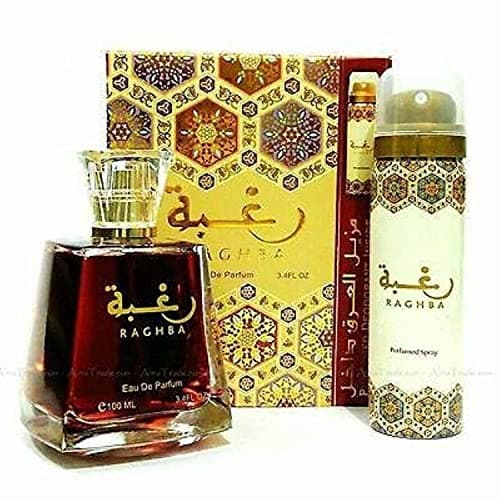
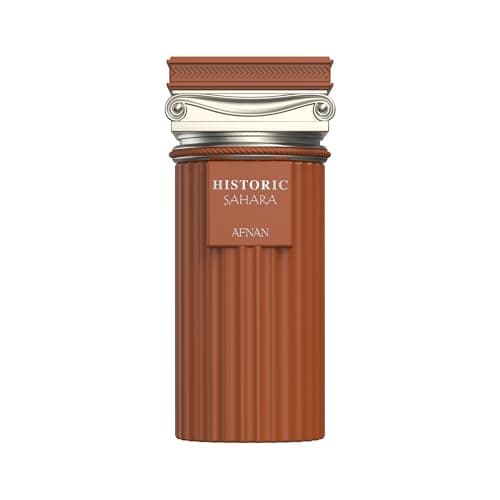
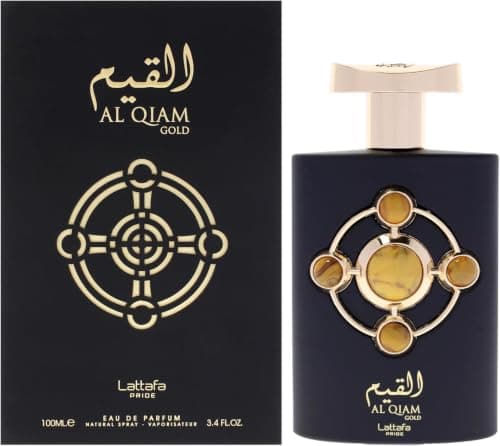
The three bottles below are the clearest examples on this site of that first principle: two resin-heavy EDPs - benzoin, guaiac wood and incense sit in both from the first second - and one extrait de parfum. All three open dense rather than sharp. They are picks for this specific problem, not a general ranking.