Start with dose, because it is the factor people change last and the one that matters most. Most fragrance headaches are a volume problem rather than an ingredient problem: too many sprays, in too small a room, from a fragrance built around heavy sweet or resinous materials. Cut the spray count in half and switch to something lighter and the complaint very often disappears entirely. If it does not - if odours reliably trigger a headache for you regardless of which one or how much - that is a recognised pattern worth raising with a clinician rather than solving with a different bottle.
To be explicit about what this page is: we review fragrance. We are not doctors, we run no lab, and nothing here is medical advice. What follows is the practical, fragrance-side version of the problem - which is genuinely most of it for most people.
The three factors, in order of how much they matter
1. Dose, by a wide margin
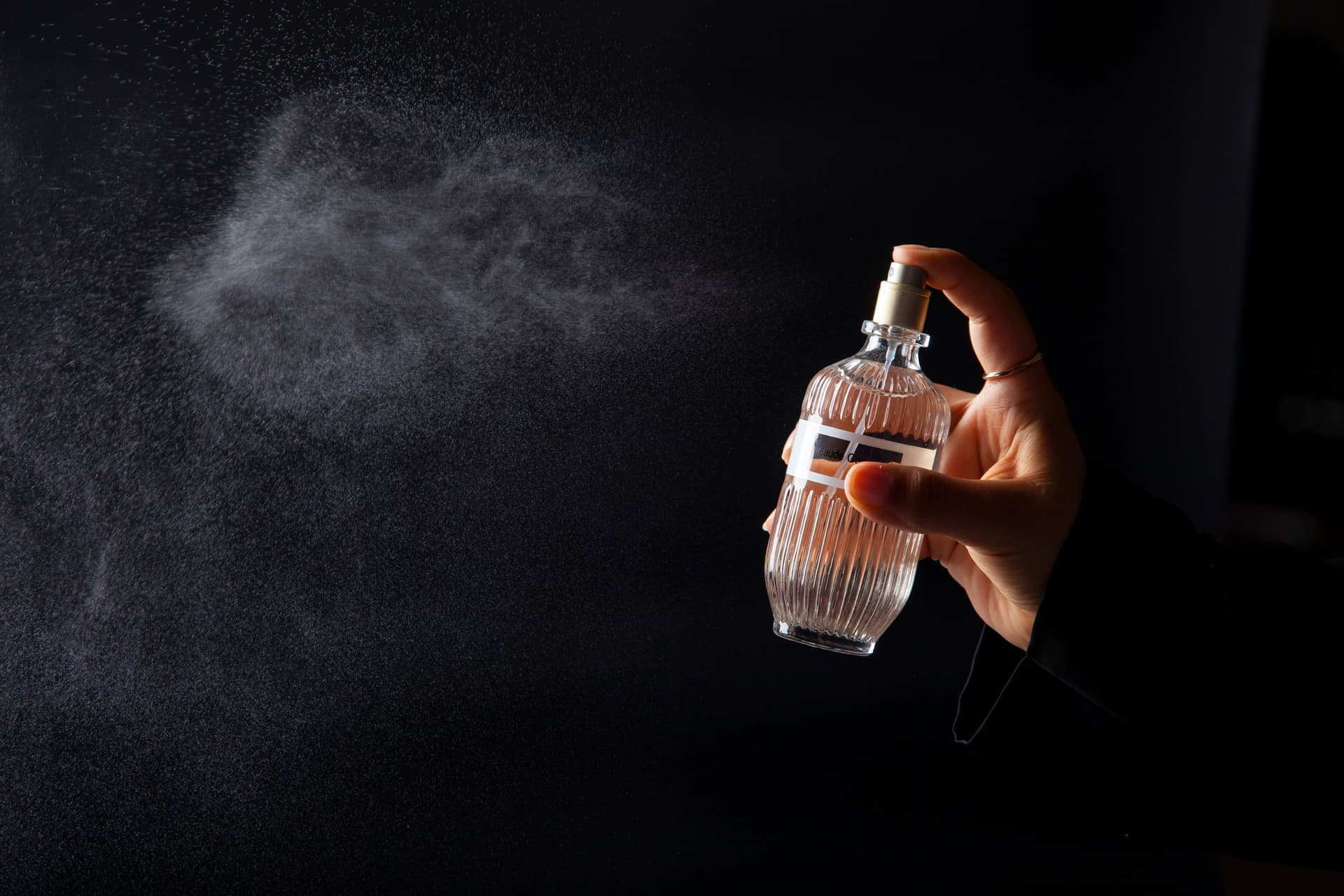
The amount of fragrance in the air around you is the single biggest driver, and it is almost entirely under your control. Four or five sprays of a strong EDP in a car is a dramatically different exposure from two sprays before you walk outside. Three dose factors compound: how many sprays, how enclosed the space is, and how warm it is - heat increases evaporation, so the same application is effectively a larger dose in summer.
If a fragrance you otherwise like gives you a headache, halve the sprays before you give up on it. Our spray-count guide works through what is actually enough, and the answer is usually less than people apply.
2. What the fragrance is built from
Some fragrance types are far more commonly named in this complaint than others, and the pattern is consistent:
- Heavy sweet gourmands. Vanilla, praline and caramel accords are dense and they expand in heat. They are the most-cited offenders by a distance.
- Big resinous ambers and incense. Labdanum, benzoin, oud and smoke are heavy, long-lasting molecules - which is why they last, and why they keep being present.
- Strong white florals and powdery aldehydes.Less common in men's fragrance but a frequent trigger where they appear.
- Anything over-applied. Including the light fresh scents, which get a reputation for being safe and then get sprayed six times because they seem mild.
The families that come up least are light citrus, aquatic and green-aromatic fresh fragrances applied at one or two sprays. Fragrance families explained maps the whole landscape if you want to shop by it.
3. Your own sensitivity
Sensitivity to odours varies enormously between people and it is not a character flaw. Hypersensitivity or aversion to smells has a name - osmophobia - and published clinical discussion treats it as a consistent feature of migraine history, with odour-triggered migraine a recognised pattern in chronic sufferers. That is the point at which this stops being a fragrance-selection question. If odours trigger headaches for you reliably and across different products, a clinician is the right person to ask, not a fragrance site.
Worth separating from a headache: a true fragrance allergy usually shows up on skin, as redness, itching or a rash where you sprayed. That is a different problem with a different answer, and the international body that sets fragrance-ingredient safety standards is IFRA if you want to read about how those limits are set.
What to change, in order
- Halve the sprays. Free, instant, and it resolves the majority of cases on its own.
- Move the application point. Chest and neck sprays sit directly under your own nose for hours. Wrists, or clothing, put the same fragrance further away from your face.
- Apply earlier and elsewhere. Spray before you dress, in a ventilated room, and let the first few minutes - the loudest part - happen without you standing in the cloud.
- Switch families before you switch bottles. If heavy sweet gourmands are what you own, the problem may be the whole category rather than the specific fragrance.
- Then switch to something quieter. Lower projection is the property to shop for, and it is one we score on every product we rank.
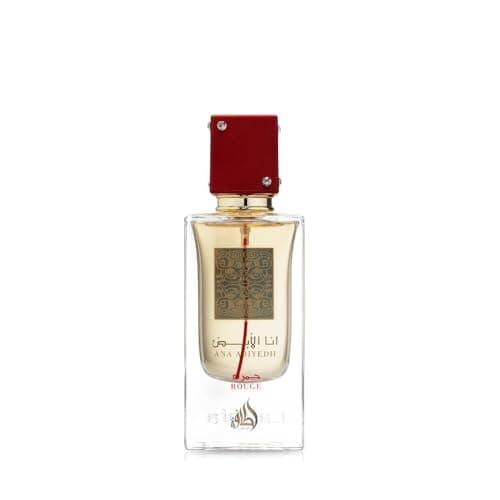
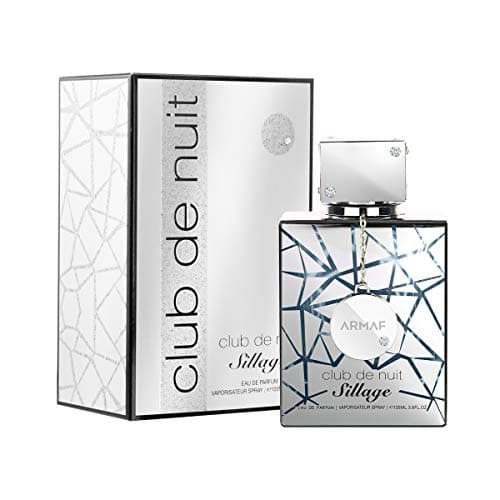
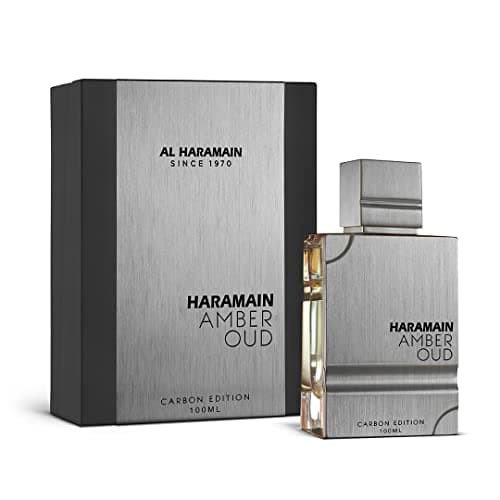
The three bottles below are, by our own scores, among the quietest and most versatile things we rank: all three project at 6 or 7 out of 10 - against 9 for the loudest bottle on the site - and all three score 9 out of 10 on versatility. They are picks for this specific constraint, which is why none of them is a high-performance favourite.
If you are the one being given the headache
A large share of this complaint is not about your own fragrance at all - it is about someone else's, in a shared office, a car or a lift. Two honest things to say about that.
First, if you are the wearer in a shared space, the considerate spray count is lower than the one you would use going out, and the bottle should be a different one. Best office colognes is built entirely around that constraint - quiet, clean, close to the skin - and every pick on it is chosen on versatility and restraint rather than projection.
Second, "fragrance-free" is a legitimate answer for some workplaces and some people, and we are not going to pretend otherwise on a page about headaches. A site that sells fragrance telling you to wear less of it is the honest version of this advice.
One thing that is not the cause
Price is not the variable. Expensive fragrances are not gentler and cheap ones are not harsher - what drives the headache is material weight and dose, and an expensive heavy amber will do it just as readily as a cheap one. Equally, a cheap light fresh scent at two sprays is one of the least likely things to cause it. If you have been told to spend more to fix this, you were told wrong; what you want is quieter, not pricier.