Yes, you can - and if longevity is your complaint, you probably should. Fabric has no body heat driving evaporation and nothing absorbing the oils, so a fragrance sprayed on a shirt commonly outlasts the same fragrance on skin by a wide margin, and it is the single most effective fix for a bottle that keeps disappearing by lunchtime. The catch is that fabric changes how a fragrance smells and some fragrance and fabric combinations stain permanently. Four rules cover all of it.
Why fabric holds scent longer than skin
Skin is a hostile surface for a fragrance. It is warm, which accelerates evaporation; it is slightly oily and absorbent, which takes some of the fragrance out of play; and its pH and moisture vary from person to person and hour to hour. Fabric is the opposite - cool, inert, and full of fibres that trap aroma molecules mechanically and release them slowly as you move.
The practical consequence most people notice first is that the fragrance is still on the jacket the next day. The second is subtler and more important: because fabric is cool, the heavy base notes release far more slowly, so a fragrance on clothing projects less and lasts longer. On skin you get more of the opening and more of the warmth; on fabric you get a quieter trail that keeps going. Neither is better. They are different tools, and knowing which you want is the whole skill.
The four rules
Rule 1: light fabrics and light colours only
The staining risk is real and it is not evenly distributed. Avoid spraying directly onto silk, satin, fine wool, leather or suede - these mark, and the marks do not always come out. White and pale cotton or linen is the safest target. Dark, heavily dyed fabric is usually fine for the fabric and occasionally shows a faint ring where the solvent evaporated.
The staining culprit is rarely the alcohol. It is the dyes and the heavy resinous materials in dark, oil-rich fragrances - the same amber, oud and vanilla bottles this site spends most of its time on. A deeply coloured juice on a white silk tie is the worst case on both counts.
Rule 2: eight to twelve inches, and keep it moving
Close-range spraying soaks one spot, which is how you get both a stain and an over-concentrated patch. Hold the bottle further back than you would for skin and make it a mist rather than a hit. If the fabric looks visibly wet, you were too close.
Rule 3: test somewhere nobody looks
Inside hem, inside collar, inside a jacket lining. One spray, let it dry fully, and check in daylight. Thirty seconds of effort, and it is the rule that saves the shirt.
Rule 4: do not make it your only application
Fragrance on fabric does not develop the way it does on skin - the warmth that drives a dry-down is not there, so you lose most of the evolution the perfumer built in. The best of both is a spray or two on skin for the development plus one on clothing for endurance. If you want the full technique, how to apply cologne covers placement properly.
When clothing is genuinely the right target
- When the fragrance is the problem, not the technique. Light fresh and aquatic fragrances are built from volatile materials and some of them genuinely cannot last eight hours on warm skin. Fabric is the fix, and it is a better fix than buying a third bottle.
- When you need less projection, not more. Somewhere enclosed, one spray on clothing beats two on skin - a point we make on several of the comparison pages, and it is the considerate option in a shared office.
- In cold weather. A coat or scarf becomes a slow-release surface you walk around inside, and winter fragrances are heavy enough to survive it.
- When you cannot reapply. A long day with no bottle in your bag is exactly when the extra hours matter.
And when it is the wrong target: formalwear, anything borrowed, anything dry-clean-only, and any fragrance dark enough that you can see its colour clearly in the bottle.
Three bottles where this actually changes the outcome
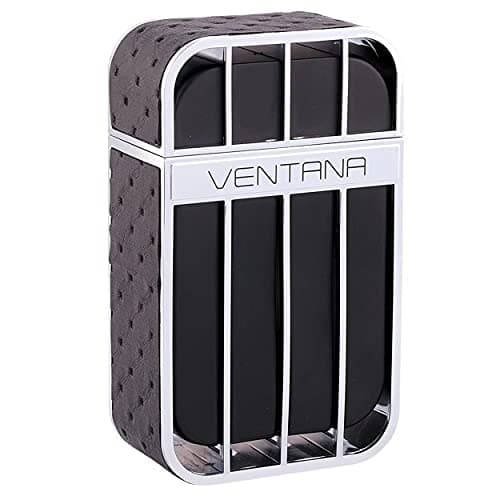
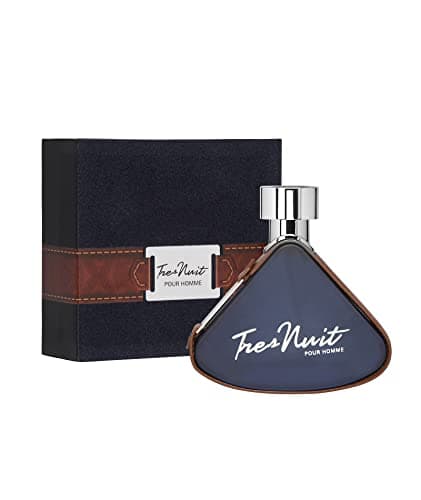
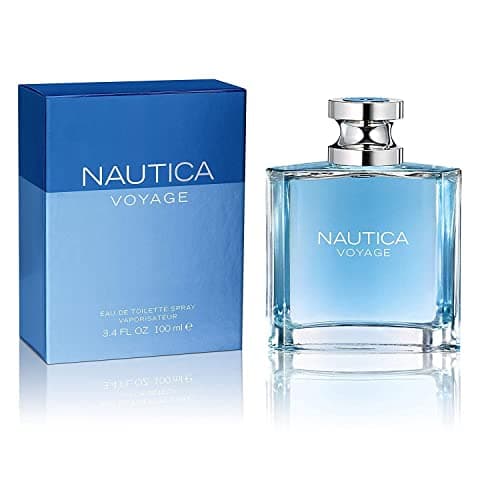
These three are not the best fragrances we rank - they are the three with the lowest longevity scoresin our entire catalog, at 5 and 6 out of 10, which is precisely why spraying fabric is the right move with them rather than an optional extra. All three are light, pale, inexpensive fresh fragrances, so the staining risk is also about as low as it gets. If your complaint is "it is gone by lunchtime," these are the bottles the complaint is usually about, and clothing is the answer.
What about spraying it in the dryer, or on a hairbrush?
Two widely-shared tricks, and they deserve different answers.
- In the dryer: no. Fragrance is mostly ethanol, which is flammable, and a tumble dryer is a hot enclosed box. Spray a dryer ball or a cloth with a laundry product designed for it if you want scented laundry - not your cologne, and not into the machine.
- On hair: not directly. The alcohol is drying and hair is porous enough to hold the fragrance oddly. Spraying a brush lightly and then brushing is the version people actually recommend, and it is a mild effect at best. Collar and scarf do the same job better.
Getting a fragrance stain out
If it happens: act quickly, blot rather than rub, use cool water and a little mild detergent, and do not reach for heat - heat sets both oil and dye. For silk, wool, suede or leather, stop and take it to a cleaner, and tell them what the stain is. Prevention is genuinely easier than cure here, which is the entire reason rule three exists.
Worth saying: if a fragrance is consistently disappearing on you even with the clothing trick, the cause may be storage rather than application - a degraded bottle loses its top notes first and reads as weak. How to store cologne and make cologne last longer cover the other levers.