We should declare the obvious bias up front: this site earns a commission when you buy through our links, and almost everything we recommend is affordable. That gives us an interest in telling you cheap is fine. So the useful thing we can do is be specific about what more money genuinely buys - because it does buy something - and exactly where it stops.
What more money actually buys
Four real things, in rough order of how much difference they make:
- Blending. The single biggest difference between a cheap fragrance and an expensive one is not ingredients, it is how well they are put together. An expensive fragrance arrives gradually, and the notes hand off to each other without seams. A cheap one tends to present everything at once and reads louder and flatter as a result. This is formulation time, and formulation time is expensive.
- The dry-down. Openings are cheap to make good. The last three hours - a blended layer of woods, musks and ambery materials - is where the ingredient budget goes, and it is the part budget bottles simplify most.
- Specific expensive materials. Real oakmoss, quality sandalwood, genuine incense resins, natural rose. If an accord depends on one of these, cheap versions fail in a way you can smell. If it does not, they usually do not.
- Consistency. Tighter batch control, so the bottle you buy in two years smells like the one you bought today.
Notice what is not on that list: longevity and projection. Those used to track price and no longer do, because modern synthetic fixatives are cheap and excellent - the subject of our guide to ambroxan. A $25 bottle out-lasting a $200 one is completely normal now and tells you nothing about quality.
Where the returns stop
Our honest read, from a catalog that spans roughly an order of magnitude in price:
- Below about the cost of two coffees, you are into fragrances that are genuinely thin - not just simple but hollow, with nothing underneath the opening.
- The affordable tier is where the value is, and it is not close. Competent houses, good performance, real complexity, and cheap enough that being wrong costs you nothing.
- The mid tier buys better blending and a better ending. This is a real improvement and most people can smell it in a side-by-side, though fewer can smell it a week apart.
- Above that, you are mostly buying materials you may not be able to identify, refinement you will notice only in direct comparison, and increasingly the bottle, the boutique and the brand.
None of which is an argument that expensive fragrance is a con. It is an argument that the steepest part of the curve is at the bottom, and that the gap between a bad cheap fragrance and a good cheap one is larger than the gap between a good cheap one and a good expensive one.
Cost per wear, which is the number that matters
Sticker price is the wrong unit. A bottle you wear twice a week for three years costs you a rounding error per wear; a bottle you wear four times and shelve is expensive no matter what it cost. Two practical consequences:
- Buy the thing you will actually reach for. A versatile fragrance at a modest price will almost always beat a spectacular one you save for occasions.
- Check the bottle size, not just the price. An 80 ml bottle priced like a 100 ml one is a 25% premium that nobody announces. This is the most common quiet overpay in the affordable market.
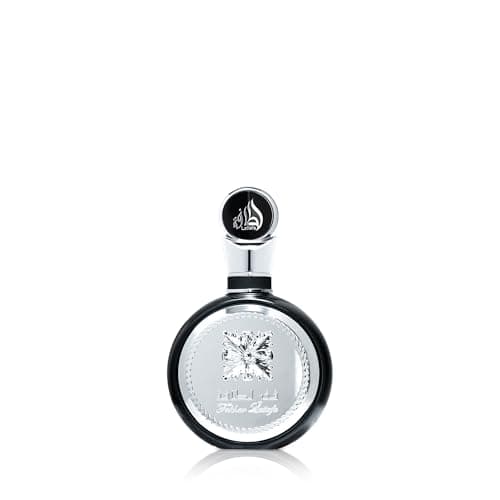
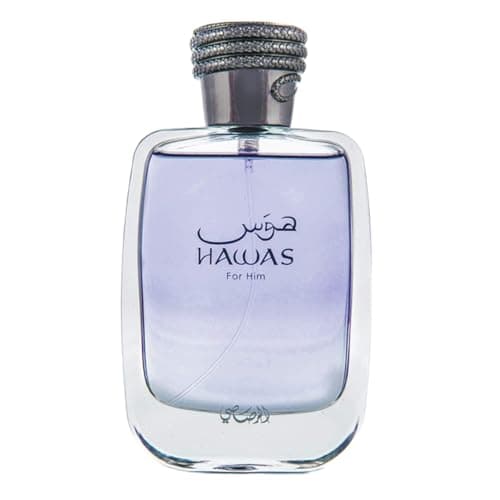
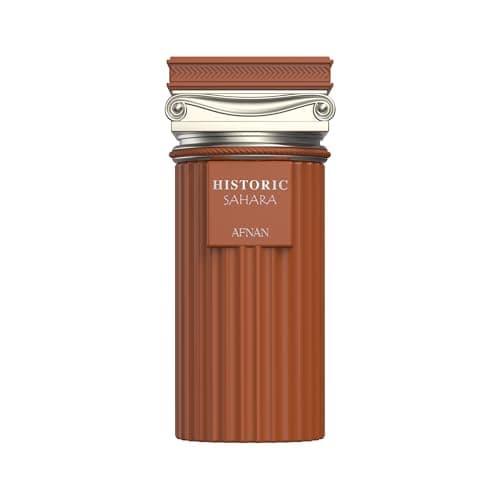
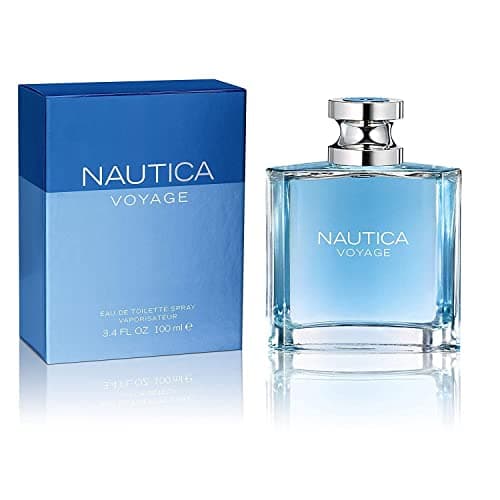
The four bottles below are our answer at four different budgets - not four versions of the same recommendation, but the honest pick at each rung of the ladder, so you can see what each step up actually gets you.
A sensible way to spend a fragrance budget
If you are starting from nothing, the allocation matters more than the total. What we would do with a fixed amount:
- Spend a small slice on samples first. The cheapest money in fragrance. A sample set costs a fraction of a bottle and prevents the expensive mistake.
- Then buy two affordable bottles that do different jobs - one fresh daily driver, one warmer evening scent - rather than one mid-priced bottle that does neither well. Our fragrance wardrobe guide covers the split properly.
- Only then consider spending up, on the one category you have discovered you actually wear most.
When spending more is genuinely the right call
Three cases where we would tell you to pay:
- The accord depends on an expensive material. Real oakmoss, incense, good sandalwood. Our Green Irish Tweed and Ombre Nomade pages are both about fragrances where the cheap versions fail for exactly this reason.
- It marks an occasion. If a bottle is going to be your wedding or a milestone, the per-wear maths stops applying and how much you love it starts to.
- You have found your category and want the best version of it. Having worn a style for a year, a step up is an informed purchase rather than a gamble.
Where not to spend
Do not pay a premium for concentration labels alone - "extrait" is not regulated to a fixed percentage in this market and does not mean better, only different, as our concentrations guide explains. Do not pay designer prices at a marketplace listing that seems too cheap; that is the classic counterfeit setup, and how to spot fake cologne covers the tells. And do not buy a bottle you have never smelled because a list called it a 95% match to something expensive - our honest take on dupes explains why those numbers are made up.