Fragrance Guides · Guides
Where to Buy Cologne Without Getting Burned
How to buy real fragrance for less - dodging counterfeits and gray-market bottles, and where the genuine bargains actually are.
Oud & Ember is reader-supported. We earn a commission when you buy through our Amazon links, at no extra cost to you. It never changes our verdict — and we say so when the cheaper bottle is the smarter buy. How this works.
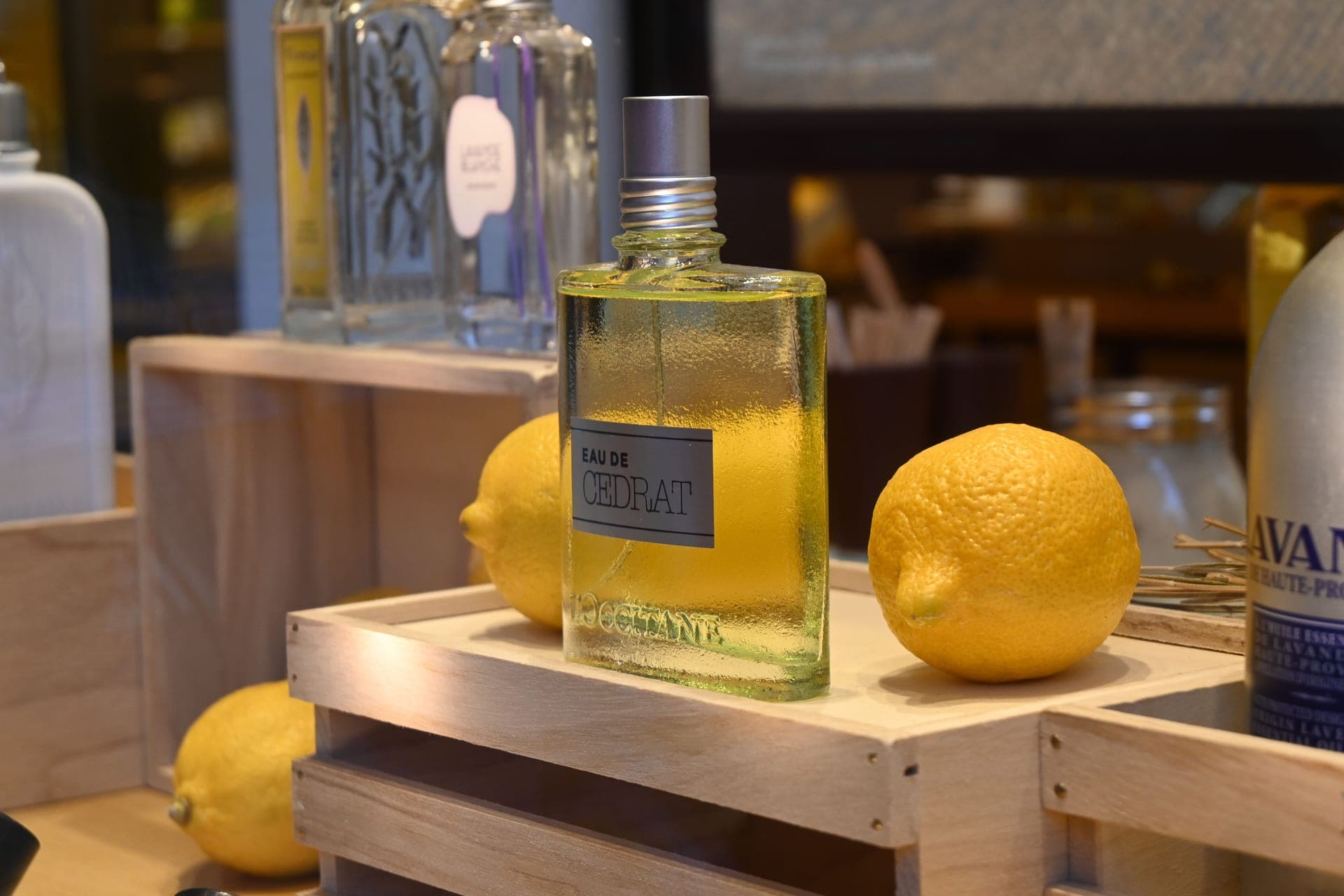
Buying fragrance online can feel like a minefield. The same bottle shows up at wildly different prices, half the reviews mention "fakes," and nobody explains the difference between a legitimate bargain and a scam. So let us clear it up honestly. Most of the fear is aimed at the wrong target - and once you understand the three kinds of seller you are dealing with, you can buy real fragrance for a fraction of designer money without getting burned.
Three kinds of seller: authorized, discounter, and fake
Almost every place you can buy fragrance falls into one of three buckets, and telling them apart is most of the battle.
Authorized retailis the brand's own site and the stores and marketplaces it officially supplies - department stores, the big beauty chains, and the like. You pay the most here, but you get the brand's guarantee that the bottle is exactly what it says. This is the safe, full-price lane.
Discounters and the gray marketare legitimate sellers who move genuine product outside the brand's official channel - overstock, out-of-season stock, testers, and bottles imported from cheaper markets. This is where the online fragrance-discount world lives, and the crucial point is that gray-market product is real. It is authentic juice; it just did not travel through the brand's blessed pipeline. The trade-off is you may get a plain box, no fancy cellophane, a tester bottle, or no brand-backed returns. For a scent you already know you want, that trade-off is often a great deal.
Outright fakes are counterfeits - cheap, often unsafe liquid in a copycat bottle, sold as the real designer thing. This is the only bucket you truly need to fear, and, importantly, it clusters almost entirely around expensive designer names. Understanding why is the key to shopping smart.
Why designer bottles are the ones getting faked
Counterfeiting follows the money. Faking a fragrance only pays if the real thing is expensive enough to leave a fat margin, and if the name is famous enough that buyers will click without thinking. That points counterfeiters straight at the big designer and niche houses - the Aventus-tier bottles, the Sauvage-tier bottles, the ones everyone has heard of. A fake of a pricey designer scent can sell for a "too good to be true" price and still make the faker a fortune.
This is a big reason this whole site steers you toward affordable bottles instead of chasing designer originals. We do not run buy links to designer fragrances at all - we treat them only as reference points, the "smells like" anchors that help you picture a scent. When we point you at something to actually buy, it is an affordable bottle that is worth so little to counterfeit that faking it barely happens. If you love the idea of a famous scent but not the price or the fake risk, the honest move is a good cologne dupe- a legal, affordable bottle inspired by the expensive one - rather than a suspiciously cheap "designer" listing.
How to spot a suspect listing
You do not need to be an expert to smell a rat. A few signals, taken together, tell you when to walk away:
- The price is impossible. If a well-known designer bottle is listed for a tiny fraction of what it costs everywhere else, that is the single loudest alarm. Real gray-market discounts are real discounts, not miracles.
- The seller is anonymous or brand-new. On a marketplace, look at who is actually shipping it. A no-history third-party seller with no track record is a bigger risk than an established one.
- The photos or text are off.Blurry stock images, a mismatched bottle shape, spelling errors on the box, or a batch code that does not match the brand's format are all red flags.
- The reviews describe a different product.Scan recent buyer reviews for words like "fake," "weak," "smells like alcohol," or "different from the store version." The crowd will often warn you.
Notice what is noton that list: I am not going to tell you one specific store is a guaranteed-safe fortress. Any large marketplace mixes authorized sellers, honest discounters, and the occasional bad actor on the same page, so "where" matters less than "from whom" and "at what price." Judge the listing, the seller, and the deal - not just the logo at the top of the site.
Why the Arabian houses are cheap - and real
Here is the happiest fact in affordable fragrance, and the one that confuses newcomers most: the Arabian houses - Lattafa, Armaf, Al Haramain, Afnan, Rasasi and their peers - are genuinely inexpensive and genuinely real. Their low prices are not a counterfeiting trick. They are legitimate perfume companies, largely based in the Gulf, that produce their own scents at their own scale.
They can charge so little for a few honest reasons. They spend little to nothing on the celebrity campaigns and fashion-house licensing fees baked into designer prices. They operate in a region with a deep, competitive perfume culture and enormous production volume. And many of their most loved bottles are openly inspired by famous designer scents, so they skip the expensive original-development gamble. The result is rich, long-lasting fragrance - often in a generous eau de parfum concentration - for throwaway money. When you buy a Lattafa or an Armaf at a low price, you are not buying a fake of a designer; you are buying that house's own real product, which was never expensive to begin with. Our best cheap colognes roundup is built almost entirely from these houses, and for the warm, resinous end, our affordable oud colognes shows the same value in the oud lane.
Batch variation is not the same as a fake
Before you panic that a bottle is counterfeit, know that batch variation is real and normal even with completely genuine product. Fragrance houses tweak formulas over time, ingredient supplies shift, and a bottle can smell slightly stronger, weaker, or a touch different from one production run to the next - it is a known quirk with some of the affordable houses in particular. That is not fraud; it is just manufacturing at scale. A bottle that smells a little different from the one your friend owns is far more likely a different batch than a counterfeit. Save your suspicion for the real red flags - impossible prices, sketchy sellers, and reviews that scream fake - rather than a minor difference in strength or a slightly changed opening.
Try before you commit: samples and decants
The smartest anti-waste move in all of fragrance is to smell it before you commit to a full bottle - and you do not have to gamble a whole bottle's worth of money to do it. Two tools make this easy:
- Sample sets are little vials, often sold as curated bundles, that let you test several scents on your own skin over real days before you pick a winner. For a beginner, this is the single best money you can spend - it turns blind buys into informed ones. Our guide to the best cologne sample sets walks through how to use them.
- Decants are larger portions of a fragrance poured from a full bottle into a smaller travel-size sprayer, sold by hobbyist splitters and decant shops. They let you wear a scent for weeks - long enough to really know it - without buying the whole thing. Just buy decants from reputable splitters with good reputations, since here too you are trusting the source.
Sampling first also quietly protects you from fakes: when you already know exactly how the real scent smells, a counterfeit's thin, off, or short-lived version is much easier to catch.
There is a mindset shift here that saves the most money of all: treat your first bottle of any scent as an experiment, not a marriage. Buy small where you can, wear it in the real world - to work, on a date, in the weather you will actually live in - and only reach for the big bottle once a scent has genuinely earned a spot in your rotation. Blind-buying full bottles off hype is how people end up with a drawer of expensive regrets, and it is exactly the trap that sampling is designed to spare you.
The honest bottom line
Buying fragrance safely and cheaply is not about finding one magic store. It is about understanding the game: authorized retail is safe and full price, discounters and the gray market are real product at a real discount with fewer frills, and outright fakes cluster around expensive designer names you can simply choose not to chase. Point your money at affordable, legitimate bottles - the Arabian houses and honest dupes - judge each listing by price, seller, and reviews, and sample before you commit. Do that and you will build a wardrobe you love for a fraction of designer money, with almost none of the risk.
If you are still sorting out the vocabulary on the label before you shop, the cologne vs perfume guide clears up what the words on the box actually mean - so you know exactly what you are buying, not just where.
Paying less for the right bottle is only half the question. Our guide to how much to spend on cologne covers the other half: what each step up in price genuinely buys, and the point where it stops buying anything you will notice.
Once you have the samples, the protocol matters as much as the source: how to test cologne before you buy sets out what a paper strip can and cannot tell you.
Questions
Frequently asked
Is it safe to buy cologne on Amazon?
Are the Arabian houses like Lattafa and Armaf legit?
How do I spot a fake cologne?
Is gray-market cologne real?
Are cologne dupes legal?
Keep reading
Related
- Best cheap colognesReal, affordable bottles from the legit Arabian houses.
- Best cologne dupes under $50Legal, affordable scents inspired by the expensive ones.
- Best cologne sample setsSmell it on your own skin before you commit to a bottle.
- Affordable oud colognesThe same real-for-less value in the warm, resinous lane.
- How to spot fake cologneThe red flags that separate a genuine bottle from a counterfeit.
More in Guides
Receipts
Sources
- Perfume (composition & pricing) - Wikipedia
- Getting started with fragrance - Bespoke Unit
- Fragrantica - community fragrance database
We do not run a testing lab, and we do not pretend to. Our scores are judgments from compiled research — published notes and concentration data, plus aggregated owner and community reports — and first-hand impressions only where genuine. Where we could not verify something, we say so rather than quietly leaving it out. Read our full method.