Skip to content
OudEmber

Fragrance Guides · Guides

How to Test Cologne Before You Buy

Most wasted bottles are bought after a thirty-second sniff of a paper strip. Three stages, four timings, and a hard limit on how many you can judge in one sitting.

By Stephen V.Reviewed How we research
#ad

Oud & Ember is reader-supported. We earn a commission when you buy through our Amazon links, at no extra cost to you. It never changes our verdict — and we say so when the cheaper bottle is the smarter buy. How this works.

How to Test Cologne Before You Buy

Here is the whole protocol before the explanation. Stage one: paper strip, ten seconds, to rule things out — never to buy. Stage two: one spray on bare skin, and check it at ten minutes, one hour and four hours. Stage three:a full day's wear, from a sample, before a full bottle. And the hard limit: three fragrances per sitting, maximum. Almost every wasted bottle in the world was bought by someone who skipped to stage one and stopped.

A fragrance is not one smell. It is a sequence, and the published note pyramid is a schedule — top notes in the first minutes, heart notes for the next few hours, base notes for the rest of the day. A thirty-second test samples only the first item on a list of three, which is why so many people buy a bottle they liked and then wear something they do not recognize.

Stage one: the paper strip, and what it is actually for

A strip tells you one thing reliably — whether the opening is offensive to you. That is genuinely useful as a filter, and it is the only honest use for it. What a strip cannot tell you is how the fragrance behaves on skin, because the components that matter most are either absent from the test or distorted by it: the heavy base materials take hours to express, and skin warmth, oil and pH all change the result.

Practical rules: label every strip immediately, hold it a hand's width from your nose rather than against it, and do not fan it. If a strip smells like nothing, the fragrance is probably base-heavy rather than weak — which is a reason to move to stage two, not a reason to reject it.

Stage two: skin, and the three timings that decide it

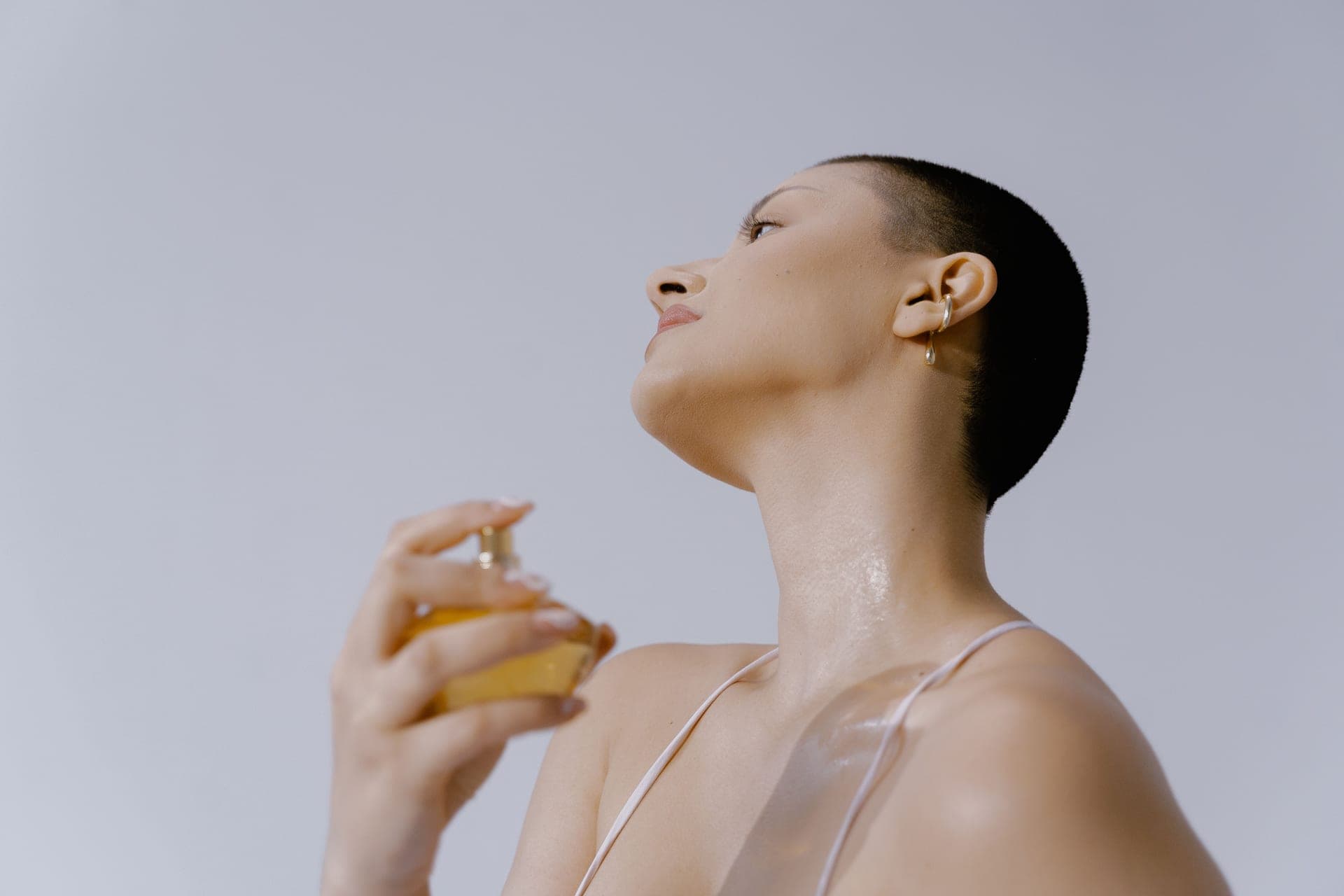
One spray, on bare skin — the inner forearm is the standard spot — and then leave it alone. The three checkpoints:

  • Ten minutes. The alcohol has flashed off and the opening has settled. Anything sharp, boozy or medicinal in the first minutes is usually gone by now, so this is the earliest point at which an opinion is worth anything.
  • One hour. You are now smelling the heart, which is what you will wear for most of the day. This is the single most important checkpoint and the one people skip.
  • Four hours. The base. If you like the fragrance here, you will like owning it; if the dry-down bores or irritates you, nothing about the opening will compensate.

Two warnings about your own nose. You will stop noticing a fragrance you are wearing long before other people do — that is olfactory fatigue, a normal physiological adaptation, not the fragrance disappearing, and we have a whole page on it. And you cannot evaluate more than about three fragrances in a sitting before everything starts smelling the same. Coffee beans do not reset your nose; time and fresh air do.

Stage three: a full day, from a sample

The last stage is the one that saves money: wear it for a whole day, in your own climate, around people who will tell you the truth, before you buy 100ml of it. A fragrance can pass every checkpoint on your forearm and still be wrong — too loud for your office, too sweet for your summer, too close to something a colleague wears.

Samples and decants are what this stage runs on, and they are cheap relative to a wrong bottle. Our sample sets page covers the kits worth buying, and where to buy cologne has a section on decants and the sellers worth using. In this market there is a second route that does not exist at designer prices: the bottles are cheap enough that a blind buy is sometimes rational. That is a real argument, and it has a limit — it works for safe, widely-liked fragrances and it fails badly for polarizing ones.

Testing in a store, and testing from a marketplace

In a store: spray on skin, not on the paper the sales assistant offers; take no more than three; leave and come back in an hour rather than deciding at the counter. Never let anyone spray a fragrance on you without telling you what it is — an unlabeled test is a wasted arm.

Buying from a marketplace, where most of the bottles on this site live, you cannot test at all before purchase, so the work moves upstream. Read the published note pyramid and check for the materials you already know you dislike. Check the concentration on the listing against the box in the photo. Compare the listing title against the bottle image, because titles in this category mix up editions and flankers constantly. And when it arrives, verify it is what it claims to be — how to spot fake cologne is the checklist for that, and it is a different question from whether you like the fragrance.

What to look for, condensed

  • Never buy on an opening. The first ten minutes are the least representative part of a fragrance.
  • Judge the one-hour mark hardest. That is what you actually wear.
  • Three per sitting, labeled, one spray each.
  • Test in the weather you will wear it in. A winter gourmand tested in August will mislead you in both directions.
  • Ask one honest person. You are the worst-placed judge of your own projection.

Three bottles that prove the point

These three are not a ranking of "best" anything. They are the three bottles in our catalog whose published pyramids change the most between the top and the base — which makes them the three where a thirty-second strip sniff tells a buyer the least, and the three most worth running the full protocol on. They appear in our standard rubric order.

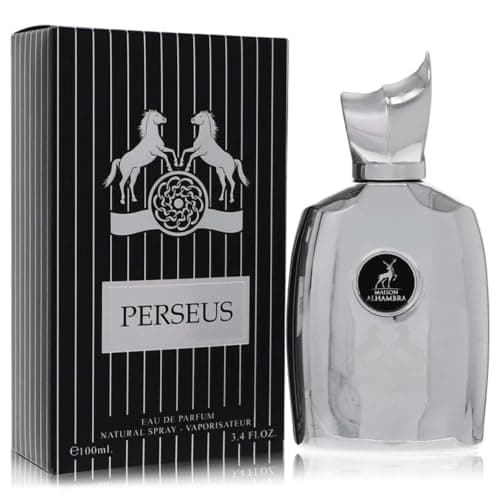
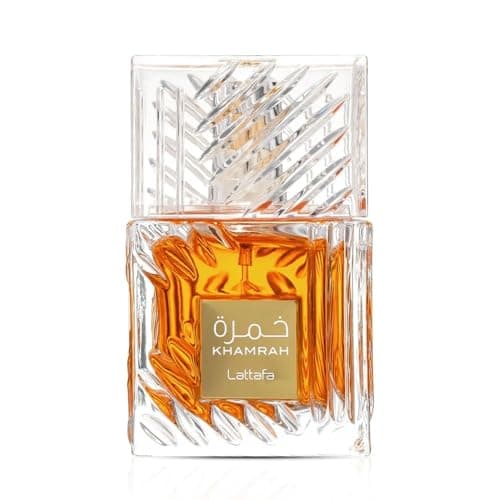
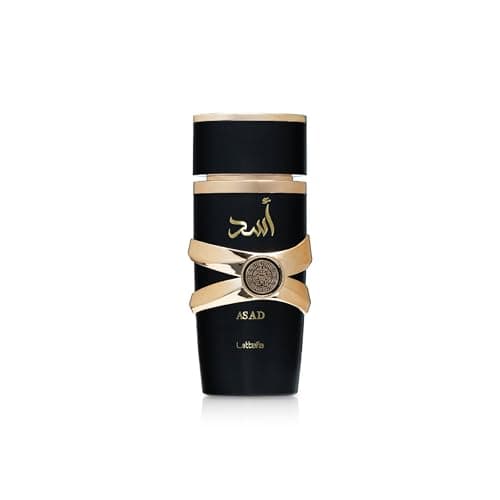
Khamrah opens on cinnamon, dates and a boozy warmth and ends as a thick vanilla with a whisper of oud. Asad opens on pineapple and booze and ends as tobacco, coffee and warm woody-oud — people who sniff the top and expect a fruity scent are in for a surprise. Perseus opens on heliotrope, cumin and bergamot before becoming almond, lavender and jasmine over vanilla and sandalwood, and that cumin is the clearest case on the whole site of an opening that will cost a bottle a sale it would otherwise have made. All three are polarizing, all three are cheap, and all three are bottles we would sample rather than blind-buy.

The short answer

Quick picks

  • 01
    Lattafa Lattafa Khamrah
    Lattafa Khamrah

    The one that went genuinely viral, and deservedly.

    8.2

    Best for A cold-weather compliment machine on a budget

  • 02
    Lattafa Lattafa Asad
    Lattafa Asad

    A dark, boozy blend of pineapple, tobacco, coffee and vanilla wrapped around a warm woody-oud base.

    8.2

    Best for A dark, boozy night-out scent for pocket change

  • 03
    Maison Alhambra Maison Alhambra Perseus
    Maison Alhambra Perseus

    The closest affordable reading of the almond-heliotrope-vanilla accord, and the one most owners who have worn both settle on.

    7.8

    Best for The almond-vanilla accord done as closely as anything cheap gets

#ad · Live prices from the Amazon Product API, as of October 18, 2026. Where we have no verified live price, we show none — we would rather leave a gap than print a number that has rotted.

In detail

The picks, in full

01
Lattafa Lattafa Khamrah

A cold-weather compliment machine on a budget

Lattafa Khamrah

Gourmand / AmberEDPAll-day longevityFall & winter
8.2/10

The one that went genuinely viral, and deservedly. A spiced-vanilla gourmand — cinnamon, dates, a boozy warmth and a whisper of oud — that smells far more expensive than it costs and lasts the whole day. Owners repeatedly compare it to pricey boozy-vanilla niche scents like Kilian's Angels' Share. Sweet and heavy, so it wants cold weather.

Longevity
9
Sillage
8
Projection
8
Value
10
Versatility
6

Pros

  • Rich cinnamon-date-vanilla accord that reads premium
  • 10+ hour longevity by owner reports; strong sillage
  • Unisex, widely complimented, and endlessly re-bought

Cons

  • Too sweet and heavy for hot weather or a small office
  • Can turn cloying if over-applied

Don't buy this if…

…you dislike sweet gourmands or need something discreet and office-safe.

$33.99View on Amazon

Price as of October 18, 2026. Prices change — Amazon's is the one that counts.

#ad · we may earn a commission from this link to Lattafa Khamrah

02
Lattafa Lattafa Asad

A dark, boozy night-out scent for pocket change

Lattafa Asad

Amber / WoodyEDPStrongNight & winter
8.2/10

A dark, boozy blend of pineapple, tobacco, coffee and vanilla wrapped around a warm woody-oud base. It's bold, adult and heavy-hitting — a genuine evening scent that punches well above its price and gets compared to the pricier 'black' designer flankers. Not subtle, and not trying to be.

Longevity
9
Sillage
8
Projection
8
Value
10
Versatility
6

Pros

  • Tobacco-coffee-pineapple depth that reads expensive
  • Excellent longevity and projection for the money
  • A distinctive dark scent among a sea of fresh designers

Cons

  • Very bold — not a daytime or office scent
  • The pineapple-booze combo polarizes

Don't buy this if…

…you want something light, fresh, or remotely subtle.

$26.76View on Amazon

Price as of October 18, 2026. Prices change — Amazon's is the one that counts.

#ad · we may earn a commission from this link to Lattafa Asad

03
Maison Alhambra Maison Alhambra Perseus

The almond-vanilla accord done as closely as anything cheap gets

Maison Alhambra Perseus

Almond / Oriental FougereEDPLong-lastingFall & winter
7.8/10

The closest affordable reading of the almond-heliotrope-vanilla accord, and the one most owners who have worn both settle on. Its published pyramid — heliotrope, cumin and bergamot, then almond, lavender and jasmine, over vanilla, amber and sandalwood — is the reference list note for note. The metallic bitter-almond note is very well executed; what it does not fully reproduce is the creamy richness of the original's dry-down.

Longevity
8
Sillage
8
Projection
8
Value
9
Versatility
6

Pros

  • Published note list matches the reference pyramid note for note
  • The distinctive metallic bitter-almond opening is the part it gets most right
  • Owner reports cluster around six to nine hours, with all-day wear on clothing

Cons

  • Sweeter and more vanilla-forward than the fragrance it is compared to
  • Misses the creamy, expensive-feeling richness of the original's dry-down
  • Longevity is the most disputed thing about it — reports range widely

Don't buy this if…

…you want a refined, quiet fragrance. This is a loud, sweet, powdery almond, and cumin makes it a polarizing one.

$20.99View on Amazon

Price as of October 18, 2026. Prices change — Amazon's is the one that counts.

#ad · we may earn a commission from this link to Maison Alhambra Perseus

Testing longevity honestly

"How long does it last" is the hardest thing to test, because your own nose stops reporting after an hour or two. Two methods that work: spray a small patch on clothing — fabric holds fragrance far longer than skin and gives you a reference you can come back to — or ask someone at hour four and hour eight rather than checking your own wrist. If you want to compare numbers across bottles, our long-lasting colognes roundup scores the field, and can you spray cologne on clothes covers the fabric method, including the one rule that saves a shirt.

What a test cannot tell you

Three things, and it is worth knowing the limits of the protocol above. It cannot tell you how a fragrance will smell on someone else — skin chemistry genuinely changes the result, which is why cologne smells different on everyone. It cannot tell you how the next bottle will smell, because batches vary and formulas get reformulated — see batch variation. And it cannot tell you whether you will still like it in six months; novelty does a lot of work in the first two weeks of owning a fragrance.

None of that is a reason to skip testing. It is a reason to test before the expensive decision rather than after it, and to buy the smallest size that answers the question. If you are at the very start of this, how to choose a cologne is the framework and this page is the step inside it where most money gets saved.
How we picked

We do not run a testing lab — and we say so

Our rankings compile published note pyramids and concentration data, aggregate owner and community longevity and sillage reports, and apply a published rubric to every bottle — with first-hand impressions only where they're genuine. The scores are judgments from that research; they are not lab measurements, and we do not claim to have smelled every batch. Formulations change; where a claim came from someone else, we name and link them in Sources.

Questions

Frequently asked

How long should I wait before deciding on a cologne?
At least an hour, and ideally four. Ten minutes gets you past the alcohol and the sharpest top notes; one hour puts you in the heart, which is what you actually wear; four hours is the base. Deciding inside ten minutes is the commonest cause of a bottle you never finish.
How many fragrances can I test at once?
Three, and that is a ceiling rather than a target. Your nose adapts quickly — olfactory fatigue is a real physiological effect — and after three everything converges on the same vague impression. Fresh air and a gap of an hour reset you better than coffee beans, which do nothing.
Should I test cologne on paper or skin?
Both, in that order, for different purposes. Paper rules out an opening you dislike in ten seconds. Skin is the only way to judge the heart and base, because warmth and skin oils change how the materials express. Never buy on paper alone.
Why does cologne smell different in the store than at home?
Partly because a fragrance shop is saturated with competing scent and your nose is already fatigued when you arrive, and partly because you were smelling paper and a few minutes of opening rather than the fragrance. Temperature and humidity also change how materials project. Take a sample home; decide there.
Is it worth buying blind if the bottle is cheap?
Sometimes, and this market is the one place that argument holds. For safe, widely-liked bottles a blind buy at this price is rational. For polarizing ones — anything built on incense, cumin, heavy booze or a strong gourmand sweetness — it is a coin flip, and the three bottles on this page are examples of why.
How do I test longevity if I cannot smell my own cologne?
Spray a patch on clothing as a reference you can return to, or ask someone else at hour four and hour eight. Do not judge it from your own wrist — you stopped registering it long before anyone around you did.

Keep reading

More in Guides

Receipts

Sources

We do not run a testing lab, and we do not pretend to. Our scores are judgments from compiled research — published notes and concentration data, plus aggregated owner and community reports — and first-hand impressions only where genuine. Where we could not verify something, we say so rather than quietly leaving it out. Read our full method.