You smell a fragrance on a friend, love it, buy it, and it is not the same. This is not your imagination and it is not a fake bottle. The same fragrance genuinely does present differently on different people - though the effect is smaller than the phrase "skin chemistry" is usually made to carry, and a good deal of what gets blamed on it is actually something else.
What skin chemistry actually means
When you spray fragrance onto skin, it does not sit on an inert surface. It mixes with the hydrolipidic film - the layer of sebum, sweat and water your skin produces - and it evaporates off you at a rate your own body controls. Three things vary meaningfully from person to person:
- Skin oil. This is the big one. Sebum holds fragrance molecules and slows their evaporation. Oilier skin generally makes a fragrance last longer and smell fuller; drier skin lets it evaporate faster, so it fades sooner and often stays closer to how it smelled in the bottle. If a fragrance dies on you in two hours and lasts eight on a friend, dry skin is the most likely explanation.
- Skin pH. Healthy skin is slightly acidic, normally below pH 5, and it varies between people and with diet and lifestyle. Some materials are more sensitive to that than others, which can nudge which facets of a fragrance come forward.
- Body temperature. Warmer skin drives evaporation faster, which makes a fragrance bloom bigger and burn through its stages quicker.
Diet, medication and hormones get mentioned constantly in this conversation. They do have an effect - mostly by changing your own natural body odor, which then sits underneath the fragrance - but the size of it is routinely exaggerated. If a fragrance smells wrong on you, look at skin oil and application before you look at what you ate.
What gets blamed on skin chemistry but is not
Three things account for most "it smells different on me" complaints, and none of them is chemistry:
- You are smelling a different stage. You met the fragrance on your friend four hours in, at its base. You are smelling yours at minute three, at its sharpest. These are genuinely different smells from the same bottle, and it is the most common version of this mistake by a distance.
- Your nose adapted. On yourself you stop perceiving it within the hour; on someone else you never do. Our guide to why you cannot smell your own cologne covers why.
- Batch variation. Affordable houses produce in large batches with more variation than designers tolerate, so two bottles of the same name really can differ. That is a manufacturing fact rather than a skin one - our guide to batch variation explains how to tell it from a counterfeit.
What to look for when you test
The practical consequence of all of this is that a fragrance must be tested on your own skin, over hours, before you trust it. Specifically:
- Skin, not paper, for the final decision. Paper tells you the composition; skin tells you what you will actually wear. Use paper to shortlist and skin to decide.
- Give it four hours minimum. Buying on the opening is how people end up with bottles they do not like. The base is where you will spend most of the day.
- One or two fragrances per test, not six. Your nose fatigues fast and everything after the third smells the same.
- Do not test on freshly moisturized or perfumed skin. Both change the result, and an unscented moisturizer is the standard fix for dry skin rather than a confound.
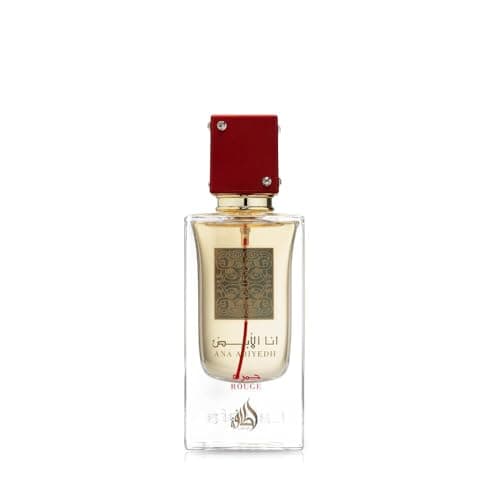
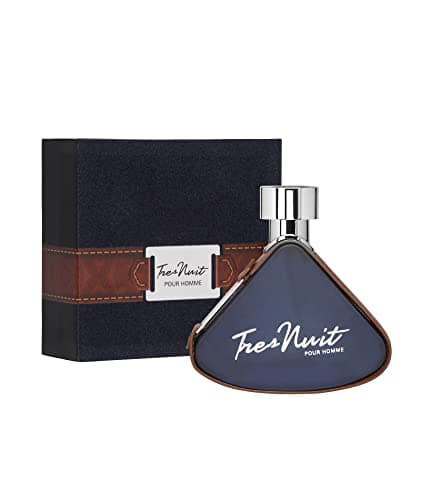
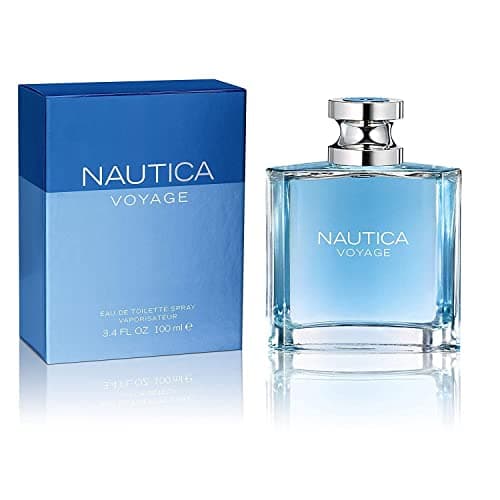
Below are three bottles from our catalog that are unusually consistent across different skin - clean, well-behaved fragrances that read close to the same on most people. If you have been burned by a bottle that smelled great on someone else and wrong on you, this is the safest corner of the catalog to try next.
If fragrance always fades fast on you
Dry skin is the most common single cause, and it is fixable. Apply fragrance to skin that is clean and lightly moisturized with an unscented lotion - the oil gives the fragrance something to hold onto and can add hours. Beyond that, spray onto pulse points and the chest rather than only the neck, and do not rub your wrists together, which crushes the top notes.
If none of that helps, the answer may be the composition rather than you. Light eau-de-toilette citrus fragrances are short-lived by design on everyone. Our guides to making cologne last longer and fragrance concentrations cover both halves of that, and our longest-lasting colognes page is the shortlist if you would rather solve it by buying differently.
Which fragrances vary most between people
Not all compositions are equally sensitive. As a rough rule:
- Sweet, ambery and gourmand fragrances vary most. They interact with your natural warmth and odor the most directly, which is why the same sweet amber can read rich on one person and cloying on another.
- Clean, fresh, citrus-woody fragrances vary least. There is less for your skin to push around, which is exactly why they dominate our office and everyday recommendations.
- Anything with a strong animalic or musky base is a coin flip. These materials are the ones most people have different sensitivities to in the first place.
Which is the practical takeaway for blind buying: if you are ordering something unsniffed, the fresh end of the catalog is a far safer bet than the sweet end, and sample sets remove the question entirely for a fraction of the cost of being wrong.