Tonka bean is the seed of Dipteryx odorata, a tree in the pea family native to northern South America, and in a fragrance it smells like warm almond, hay, tobacco and soft vanilla all at once. It is one of the most-used base materials in modern perfumery and one of the least recognised, because it almost never leads - it sits underneath, rounding the edges off everything above it. If a fragrance has ever read to you as warm and comforting without being sweet enough to call a dessert, tonka is the most likely reason.
What it actually is
The beans are the seeds inside the tree's fruit - black, wrinkled, smooth and brown inside. Their smell comes largely from their high content of coumarin, an aromatic compound of the benzopyrone class, which is also what gives freshly cut hay and sweet woodruff their characteristic scent. That single fact explains most of tonka's behaviour in a blend: it does not smell like one thing, it smells like the warm, soft, slightly dusty impression several familiar smells have in common.
Coumarin is also a piece of perfume history. It was one of the first aroma materials to be produced synthetically in the nineteenth century, and the entire fougere family - lavender over coumarin over a mossy base - is built on it. So when you meet tonka in a modern fragrance you are meeting a material with a hundred-and-fifty-year-old job description.
What it smells like, in order of what you notice
- Warm almond. Not marzipan-sweet; closer to the smell of almond skin. This is usually the first thing people identify.
- Hay and dried grass. The coumarin signature. It is what keeps tonka from reading as a food note.
- Soft tobacco. Dry and slightly leafy, which is why tonka and tobacco accords appear together so often.
- Vanilla, but blurrier. Related and frequently paired, and the difference is the whole point of the next section.
Tonka is not vanilla, and the difference matters
They get used interchangeably in casual descriptions and they behave very differently. Vanilla is sweeter, more distinctly edible and more linear - you smell vanilla and you know what you are smelling. Tonka is drier, hazier and more savoury, with the almond and hay facets pulling it away from dessert. Perfumers reach for tonka when they want warmth without obvious sugar, which is exactly why it appears in so many fragrances marketed to men.
Practically: if you like warm fragrances but find straight vanilla gourmands too sweet, tonka-forward bottles are the category to look at. And the reverse - if you have been disappointed by something described as vanilla because it was not sweet enough, there may have been more tonka than vanilla in it. Best vanilla colognes covers the four genuinely different kinds of vanilla, and the distinction is the same family of problem.
What tonka does structurally
Three jobs, all of them in the base:
- It is a fixative. Tonka is heavy and slow to evaporate, so it extends the life of lighter materials above it. A fragrance with a tonka base holds its shape longer than one without.
- It blurs the seams. Dropped between a sharp top and a heavy base, it smooths the transition - which is the main reason cheap fragrances with tonka in the base feel more finished than cheap fragrances without it.
- It adds warmth without adding projection. It makes a fragrance feel closer and softer rather than louder, which is unusual among the materials that read as rich.
If any of that vocabulary is unfamiliar, fragrance notes explained covers how base notes work and fragrance families explained places tonka's usual homes - amber and gourmand - on the wider map.
One honest aside about coumarin
You will occasionally see tonka described as a banned ingredient. The nuance: coumarin is restricted as a foodadditive in the United States, and fragrance use is a separate matter governed by the industry's own ingredient-safety standards, set by IFRA, which cap it at defined levels in finished products rather than prohibit it. That is why tonka is in a great many fragrances you can buy today and is not in your baking cupboard. We are not a regulatory authority and would not pretend to be - if the detail matters to you, IFRA publishes its own standards.
Three bottles whose published pyramids name tonka
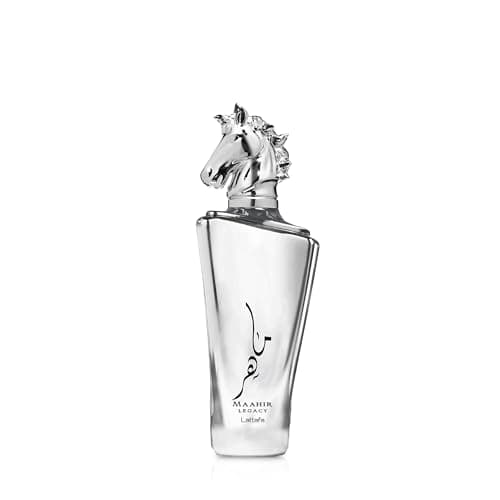
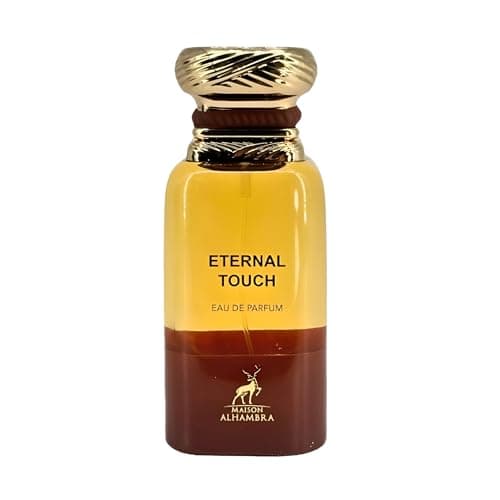
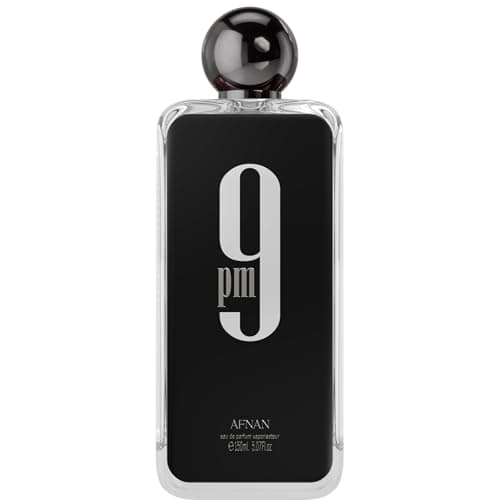
These are the three in our catalog where the house itself publishes tonka in the note list - not where we think we can smell it - and they were chosen to show three genuinely different jobs it does: under a sweet amber, under a fresh aromatic woody, and under a tobacco gourmand. The same material, three completely different results.