Patchouli is a dried-leaf material that smells earthy, slightly damp, faintly sweet and a little like cocoa and old wood — and in modern perfumery it is almost never the thing people think they are smelling. It is the most frequently published base note in this catalog, appearing in eleven of the forty-nine bottles we rank, and it is doing structural work rather than announcing itself: it makes a base feel deep and anchored, and it stops a sweet fragrance from smelling like candy. If you have decided you dislike patchouli on the strength of a scented candle or a health-food shop, there is a good chance you own and like two or three fragrances built on it.
That gap between the reputation and the material is the whole reason this page exists, and it has a technical explanation rather than a vague one.
What patchouli actually is
Patchouli comes from the leaves of Pogostemon cablin, a bushy plant in the mint family grown mainly in Indonesia, India and the Philippines. Unlike most perfumery botanicals, the leaves are dried and partly fermented before distillation, which is where the earthy, musty quality comes from. The resulting oil is thick, dark and extremely tenacious — it is one of the few natural materials that genuinely improves with age, and it is one of the best fixatives in perfumery, meaning it slows down the evaporation of everything around it.
That fixative property is the real reason it is everywhere. A perfumer reaching for patchouli is often reaching for longevity in the base as much as for a smell.
Why modern patchouli smells nothing like the 1970s version
This is the single most useful thing on this page. Raw patchouli oil contains a large number of compounds, and some of them — the heavy, camphorous, musty ones — are what produced the dense, head-shop smell the material is remembered for.
Since the 1990s, most fine fragrance has used fractionated or molecularly distilled patchouli: the oil is separated and the harsh camphorous fraction removed, leaving the clean, dry, cocoa-and-woods part behind. The result is a material that reads velvety and dark rather than musty and damp. It is the same plant and a substantially different smell, and it is why a 2026 fragrance listing patchouli and a 1974 fragrance listing patchouli are not making the same promise.
So "I don't like patchouli" is usually a statement about unfractionated oil, which almost nothing you can buy today contains in quantity.
What it smells like, honestly
Describing a material is less useful than describing what it does, so here is both.
- On its own: earthy and dry, like damp soil and dried leaves, with a cocoa-ish bitterness and a faint sweetness underneath. Some people get a dusty, inky quality; some get something closer to dark chocolate.
- Under sweetness:this is its most common job. Patchouli under vanilla, praline or fruit prevents the gourmand collapse where a sweet fragrance turns into cake frosting. It adds a dry, bitter counterweight you notice as "depth" rather than as a note.
- In a fougere base: alongside vetiver, oakmoss and sandalwood it reads mossy, barbershop-adjacent and old-school. This is the patchouli closest to its reputation.
- Next to rose: an enormously durable pairing — the earthiness cuts the sweetness of rose and produces the dark, jammy effect behind a great many niche fragrances.
What to look for before you buy a patchouli fragrance
The useful question is never "does it contain patchouli". It is what tier the house lists it in and what it is sitting next to. Three checks, in order of how much they tell you.
First, which tier it is published in. Patchouli in the base — by far the most common placement — is doing fixative and depth work, and you will register it as the fragrance feeling grounded rather than as an identifiable smell. Patchouli listed in the heart is a deliberate choice and much more audible: the perfumer wants you to notice the earthiness. Fragrance notes explained covers how to read a pyramid properly.
Second, what is listed with it. Patchouli with vanilla, tonka or praline will read warm and dark. Patchouli with oakmoss, vetiver and lavender will read dry, green and classic. Patchouli with rose or raspberry will read jammy and rich. Same material, three different experiences, and the companions tell you which one you are getting.
Third, whether the fragrance is sweet. If it is, the patchouli is almost certainly working as a counterweight and you are unlikely to identify it at all. If the fragrance is dry and woody, the patchouli has nowhere to hide.
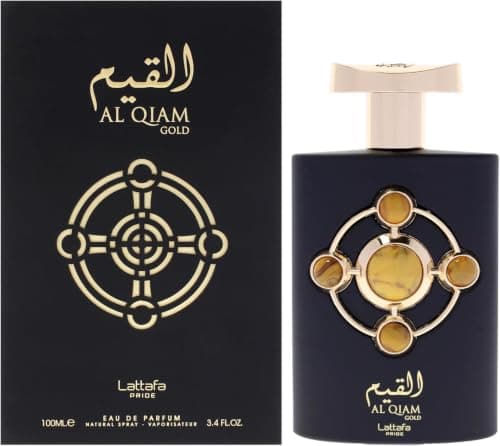
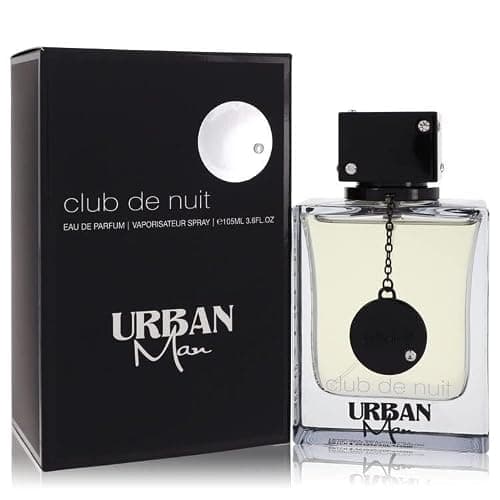
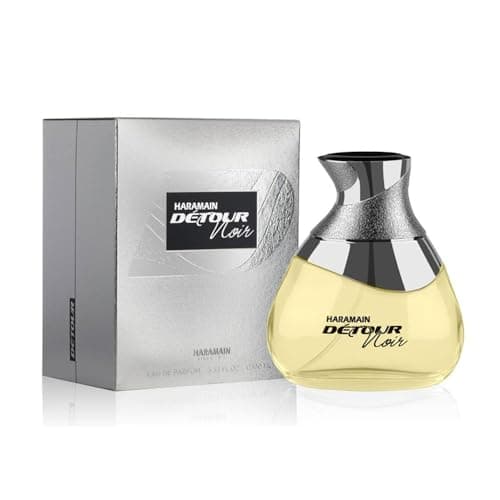
The three bottles below were chosen on a rule rather than on preference: each one publishes patchouli doing a visibly different job — one as a warm smoother beneath vanilla, one in the heart rather than the base alongside leather, and one in a dry fougere base beside vetiver and oakmoss. Between them they cover most of what this material can be asked to do.
Where patchouli shows up in this catalog
For context on how common it is: patchouli appears in the published pyramids of Al Haramain Detour Noir and Detour Noir Exclusif, Armaf Club de Nuit Intense Man, Urban Man, Urban Man Elixir, Blue Iconic and Spartacus, Lattafa Al Qiam Gold, Armaf Valer, The Woods Collection Dusk, and Orientica Royal Bleu. Eleven bottles, across every scent family we cover except the pure aquatics.
Notice what that list implies: if you own a Club de Nuit, you own a patchouli fragrance. If you have ever been complimented on one, somebody complimented you on patchouli.
Who should avoid it
A minority of people are genuinely sensitive to the material — not allergic, but reliably unable to enjoy it, usually describing it as dirty or mildewy no matter how it is built. If that is you, you will find it most prominent in dry woody and fougere compositions and least noticeable in sweet gourmands, so the practical advice is to avoid the former rather than to avoid the note.
It is also worth knowing that patchouli is one of the materials most likely to smell different on you than on someone else, because its heavier compounds interact noticeably with skin chemistry. Why cologne smells different on everyone explains the mechanism, and how to test cologne before you buy is the protocol for finding out cheaply which camp you are in.