Saffron is the dried stigma of the Crocus sativus flower, harvested by hand, and by weight the most expensive spice in the world. In perfume it does not smell the way people expect. It is not sweet, not floral and not food-like: it reads leathery, dry, hay-like and faintly medicinal, with a metallic or iodine edge in the first minutes. If you have ever smelled an oud fragrance and found the opening slightly bitter and almost antiseptic before it turned warm, that was usually saffron rather than the oud.
That single fact explains why the note is everywhere in this corner of the market. Saffron is the material that lets a cheap composition sound expensive and smell serious — it adds the leather-and-spice bridge between a floral top and a resinous base without needing real leather or real agarwood.
What saffron does in a composition
Three jobs, and it is worth recognizing them so you can predict a bottle from its note list:
- It bridges rose and oud. The saffron-rose-oud triad is the backbone of Middle Eastern perfumery. Rose on its own over an oud base reads disjointed; saffron sits between them and makes the two read as one fragrance. If a note list has rose and oud in it, saffron is very often the third name.
- It makes a top note feel dry.Most affordable fragrances open sweet because sweet is safe. A saffron opening is the cheapest way to signal "this is a grown-up fragrance" in the first thirty seconds.
- It carries leather without leather. Saffron and leather notes share a smoky, slightly animalic quality, and saffron is far easier to work with. A lot of fragrances described as leathery have no leather material in them at all.
Real saffron, and what is actually in the bottle
Almost none of it is the spice. Saffron extract exists and is used in expensive perfumery, but at every price point you will shop here the note is a reconstruction built mainly around safranal, the compound most responsible for saffron's aroma, usually supported by other synthetics. A kilogram of saffron threads requires roughly 150,000 flowers; nobody is putting that into a $25 bottle, and the honest houses do not claim to.
This matters practically rather than morally. A reconstruction is more consistent batch to batch than the natural material, so the saffron note in an affordable fragrance is usually more stable than its rose or its oud. It also means "saffron" on a note list tells you about a smell, not about an ingredient cost. The same is true of most listed notes — our guide to fragrance notes covers how to read the list properly, and what is oud does the same job for the material saffron is usually sitting next to.
Why your saffron fragrance might smell like plastic
Two common complaints, both explainable. The first is a sharp, medicinal, almost band-aid quality in the first ten minutes. That is normal — safranal has a genuinely iodine-like facet, and it burns off. Judging a saffron fragrance from the opening is the single most common mistake with this note.
The second is a flat, slightly chemical sweetness where you expected spice. That usually means you are smelling the synthetic amber under the saffron rather than the saffron itself, which is most likely in the fresh-and-spicy designer lane where saffron is a small supporting note rather than the point. For that family, read what is ambroxan — it is the material doing the work.
What to look for when you buy a saffron fragrance
Four things, in this order:
- Where saffron sits in the pyramid.A top-note saffron is an accent you will lose in twenty minutes. A heart-note saffron is the fragrance's character.
- What is underneath it. Saffron over oud and amber gives you the classic dark Middle Eastern shape. Saffron over ambroxan and cedar gives you a modern fresh designer shape. Same note, two unrelated fragrances.
- Whether rose is present. Saffron plus rose is a specific, recognizable, slightly formal accord. If you have disliked rose fragrances before, this is the pairing most likely to change your mind, and also the one most likely to confirm it.
- Whether the house publishes the note at all. Plenty of fragrances smell of saffron and never say so; plenty of lists invent notes for marketing. We only call a bottle a saffron fragrance when the house prints saffron in its own pyramid.
Four bottles whose houses publish saffron
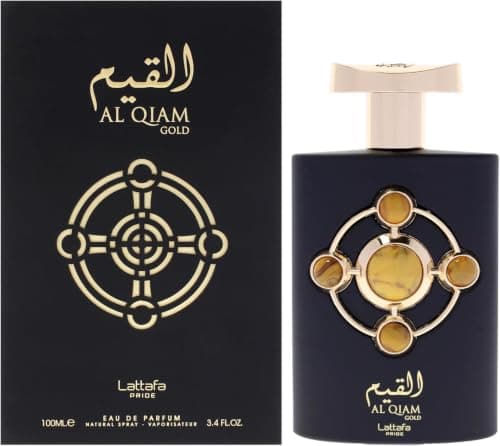
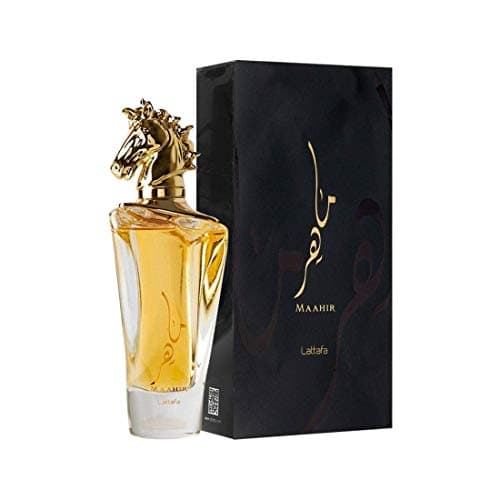
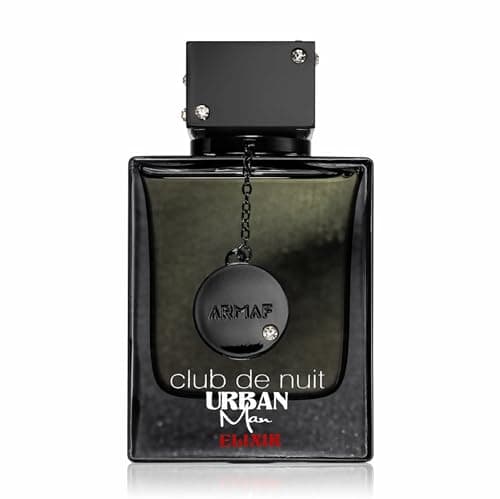
These are not ranked against each other as fragrances — they are the complete set of bottles in our catalog whose own houses name saffron in the published note list, which is the only criterion we will stand behind. They appear in our standard rubric order, which is a performance ranking and says nothing about which saffron shape you should want. Between them they cover all three jobs described above.
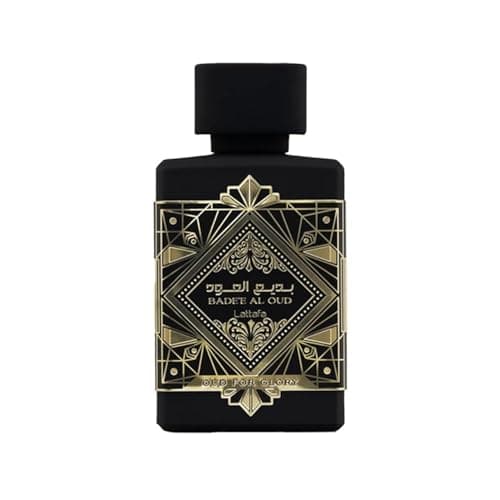
Read them as four answers to different questions: the easy dark starter (Oud for Glory, saffron under a softening sweetness), the fruit-and-resin arc (Al Qiam Gold, raspberry and saffron into oud and benzoin), the formal saffron-rose (Maahir, where the note is the whole character), and the modern designer-fresh use (Urban Man Elixir, where saffron is one supporting note in a fifteen-note list and reads as richness rather than as spice).
Saffron in the expensive fragrances it gets compared to
The note's current popularity is downstream of a handful of niche fragrances built around it, which is why so many affordable bottles publish it. If you came here from one of those, two of our pages are more directly useful than this one: Baccarat Rouge 540 dupes — the saffron-and-jasmine fragrance most responsible for the trend, and a page that argues honestly that no true clone exists — and Ombre Nomade dupes, where saffron-rose-leather-oud is the whole target.
If you want the field rather than the material, best rose oud fragrances is the roundup where this accord is the subject, and best oud for beginners is where to start if the oud half is new to you.
A note on cost claims
You will see affordable fragrances marketed on saffron's price — the world's most expensive spice, in a bottle costing less than lunch. Treat that as a flag rather than a feature. The expensive thing about saffron is harvesting the stigmas, and the fragrance industry mostly does not use them; a house leaning hard on the spice's cost in its marketing is describing something that is not in the product. We hold the same line on every material claim on this site, and our editorial policy says what we will and will not repeat.