"Spicy" covers more ground than any other word people use to shop for fragrance. It is used for the peppery bite of a modern fresh scent, the cinnamon warmth of a winter gourmand and the dry cardamom of a woody amber - three experiences with almost nothing in common except the label. This page splits them apart and names the affordable bottle that does each one properly.
The three kinds of spice
- Hot spice. Pink pepper, black pepper, ginger. It bites at the top of the fragrance and burns off quickly, which is why it is so common in fresh designer-style scents - it adds energy without committing the whole bottle to being warm.
- Sweet spice. Cinnamon, nutmeg, clove. Sits in the heart, reads as baking rather than heat, and is almost always paired with vanilla or a dried fruit. This is the winter end of the category.
- Dry spice.Cardamom, saffron, coriander. The most "expensive-smelling" of the three because it adds complexity without adding sugar - it is what stops a woody amber from being either boring or sweet.
Knowing which one you want solves most of the shopping problem, because they behave differently. Hot spice is a top note, so it is gone within the hour and it will not define how you smell at dinner. Sweet and dry spice sit in the heart and base, so they do.
How we ranked them
The criteria, applied to all four:
- Is the spice load-bearing or decorative? A pepper note at the top of an otherwise fresh scent is decoration. A cinnamon that shapes the whole dry-down is structural. Both are legitimate, and we say which you are getting.
- Does it stay balanced? Spice goes wrong in two directions - harsh and thin, or sweet and cloying. The picks that hold the middle rank higher.
- Performance and value, on the usual terms: how long it lasts, how loudly it projects, and what it costs.
- Coverage. Four bottles holding four positions is more useful than four that smell alike.
Notes on the picks
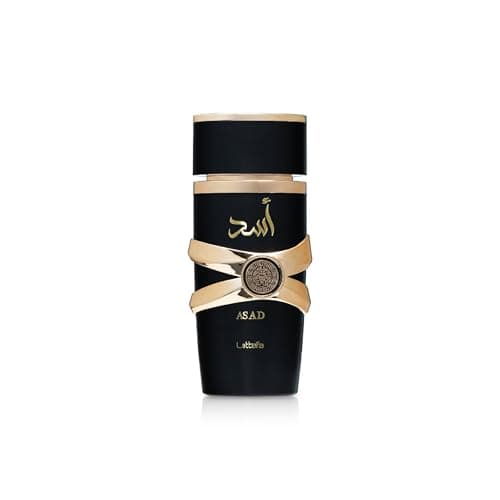
Lattafa Asad leads because its spice is genuinely structural - black pepper against pineapple and tobacco, over a coffee-and-iris heart. It is a dark, boozy, night-out fragrance with heavy projection for very little money. It is also emphatically not subtle: it is the wrong bottle for a daytime meeting, and the pineapple-and-booze combination divides people.
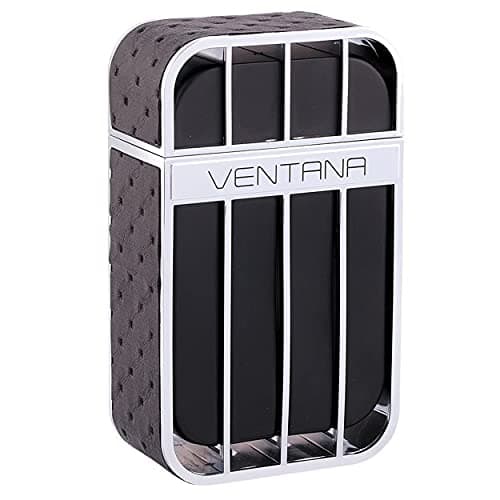
Armaf Ventana is the hot-spice pick and the most versatile thing here - a peppery, bright, ambroxan-backed fresh scent you can wear to anything. It is also the least distinctive, and the ambroxan base reads synthetic if you look for it. That is the honest trade: versatility costs personality.
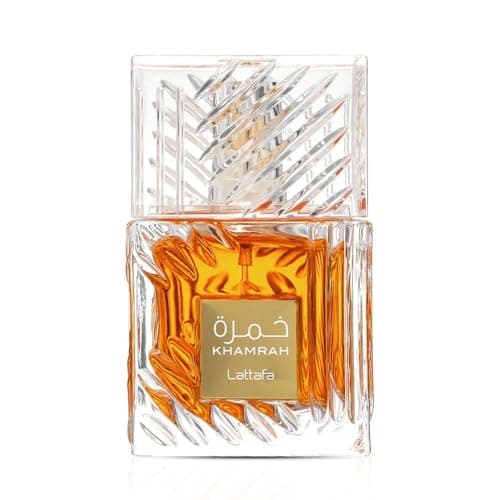
Lattafa Khamrah is the sweet-spice benchmark - cinnamon and nutmeg over dates and praline - and it is the one people stop you about in cold weather. It is far too sweet and heavy for a hot day or a small office, and it turns cloying if you over-apply, which on this bottle means three sprays rather than two.
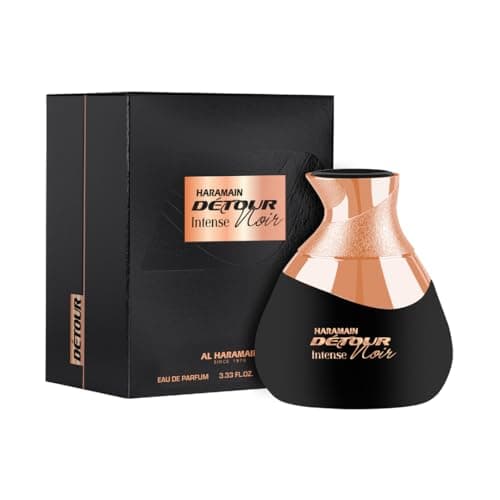
Al Haramain Detour Noir Intense is the dry-spice entry: cardamom and pink pepper over a bitter-almond and lavender heart. It is the most unusual fragrance on the page and the one least likely to smell like anything else in your rotation. Two warnings - it is a different fragrance from the plain Detour Noir rather than a stronger version of it, which our guide to flankers explains, and it is sold in a slightly smaller bottle than the standard size.
If what you actually want is warmth rather than spice, our best woody colognes and best vanilla colognes pages cover the two neighboring families, and neither shares more than one pick with this one.
Why spice is where cheap fragrance usually wins
Spice materials are one of the places the price gap between affordable and designer fragrance narrows most. The synthetics that do pepper, cinnamon, cardamom and clove are inexpensive, extremely stable and very good, and the accords are not built on a tension that has to be held for hours the way a delicate floral is. That is a large part of why the Arabian houses are so strong in this category specifically - our explainer on why Arabian colognes are cheap covers where the savings genuinely come from.
Matching the spice to the occasion
- Hot spice for daytime. It burns off, so it will not dominate a shared office. This is the only part of the category that is genuinely work-safe.
- Sweet spice for cold evenings. It expands in warmth and it is meant to be noticed at close range.
- Dry spice when you want to smell expensive rather than loud. It adds complexity without adding volume, which is the useful middle ground.
A practical note on application: spicy fragrances are the category where people most often over-apply, because hot spice fades fast and the instinct is to compensate. Do not. What fades is the top note; the heart underneath is at full strength and will still be there in four hours. Our longevity guide covers what actually helps.
Who should skip this category
Two groups, honestly. If you work somewhere with a fragrance policy or in close quarters with people who did not choose your cologne, the sweet-spice end of this page is a bad idea regardless of how good it smells - a quieter daily driveris the better buy. And if you have found that cinnamon and clove read as "Christmas candle" on you rather than as fragrance, that reaction does not usually go away with a better bottle. Try the dry-spice end instead, where cardamom does a similar job without the association.