Buy Al Haramain L'Aventure Knight. It is the one bottle here that publishes citrus in the top tier — lemon verbena and bergamot over tea — and still scores 8 out of 10 for longevity, which is the combination this category almost never delivers. It is also the highest-scoring pick on the page at 8.0. If you want the cheapest honest route in, that is Lattafa Ana Abiyedh Rouge at number four: our budget pick, the least expensive bottle in this entire catalog, and the one whose character is most purely citrus-soapy rather than citrus-on-top-of- something-else.
Here is the problem with shopping for a citrus fragrance, and it is a structural one rather than a matter of taste. Essentially every fresh fragrance ever made opens with citrus. Bergamot is the single most common top note in perfumery. It is cheap, it smells clean, and it makes the first thirty seconds of almost anything pleasant. Which means “has citrus in it” tells you nothing, and a roundup built on that test would just be a list of every fresh bottle on the shelf.
So this page runs a two-part test instead. First: is a citrus material — bergamot, lemon, lemon verbena, grapefruit, mandarin — published in the TOP tier of the note list the house or the listing itself gives? Not described as “citrusy” by a reviewer; published, in the brand's own words. Second: is there enough of it left after the first hour to be the reason you bought the bottle? That second half is what moves the order around, and it is the only reason this page is not alphabetical.
Why citrus disappears, and what to look for underneath it
Citrus oils are small, light molecules. They evaporate fast — that is physically what makes them smell bright — and in a standard eau de parfum the lemon or bergamot you smell on the card is largely gone inside forty-five minutes. Nothing is wrong with the bottle. That is the material behaving the way the material behaves.
The bottles that still read as citrus an hour in do it one of two ways. They use a heavier citrus relative — lemon verbena, petitgrain or a citrus-adjacent herb that hangs around longer than the peel oils do. Or they put a base underneath that keeps pushing the brightness up — musk, ambergris, ambroxan, cedar, a clean woody-amber. Knight does both, which is why it is first. Our longer explainer on how fragrance notes actually work goes through the chemistry; the shopping rule is simpler than the chemistry.
The practical version: read the BASE of the note list, not the top. If the base is only more citrus and light musk, expect a two-hour fragrance. If the base names ambergris, ambroxan, sandalwood, cedar or amber, expect the citrus to be legible for most of a working day. That single habit will save you more money in this category than any ranking will.
Rank, score and the ties
This page is unusual on this site in that rank and raw score agree at the top and then go flat. Knight scores 8.0 and is first. Club de Nuit Urban Man scores 7.4 and is second. Then three bottles all score 7.2 and the order inside that tie is a judgment about what you are buying the bottle for: Valer has the most citrus published but the thinnest ownership record and the highest price, Ana Abiyedh Rouge has the purest citrus character and the smallest footprint, and Art of Nature II is the one that turns sweet. We would rather say that out loud than imply a precision our rubric does not have.
The two lanes on this page
Citrus as cleanliness (picks one, two and four). Verbena, bergamot, grapefruit and mint over woods, iris or musk. This is the office-and-daytime lane, and it is where citrus earns its reputation for being impossible to get wrong: all three score 8 or 9 out of 10 for versatility. Knight is the longest-lasting, Urban Man the most structured, Ana Abiyedh Rouge the softest and the cheapest.
Citrus as brightness over something warm (picks three and five). Valer runs four citrus materials into rosemary, frankincense and lavender over a big woody-amber base; Art of Nature II runs mandarin and bergamot into orange blossom and cardamom over vanilla and guaiac wood. Both are citrus openings on fragrances that are not, underneath, about citrus at all. That is not a criticism — it is how you get a bright fragrance that still exists at 4pm — but you should know which one you are buying.
The five, and who each one is for
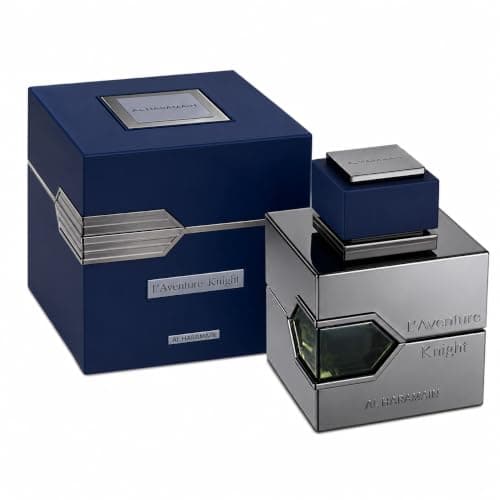
1. Al Haramain L'Aventure Knight — for the reader who wants a citrus opening that is still there after lunch. Al Haramain's own published list runs lemon verbena, bergamot and tea into iris and violet leaf, over musk, sandalwood and ambergris: the classic green fougere skeleton, and the base is exactly the kind that keeps a bright top note legible. Honest limit: it is sweeter and shinier than the dry, mossy classics it echoes, and the violet leaf reads sharp on some skin for the first ten minutes. The full write-up is on L'Aventure vs L'Aventure Knight, which also explains why the two bottles sharing that name are not the same purchase.
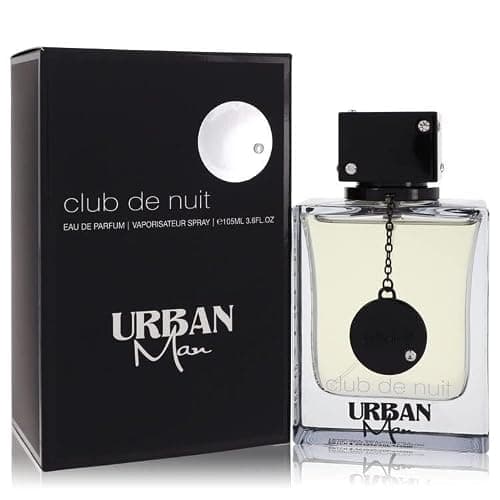
2. Armaf Club de Nuit Urban Man — for the reader who wants citrus with a structure under it. Armaf publishes bergamot, mint, grapefruit and cardamom, then lavender, cedar, ginger and nutmeg, over patchouli, vetiver, sandalwood and oakmoss. Two citrus materials up top, and the grapefruit is the part people notice. It scores 9 out of 10 for versatility, the joint-highest figure on this page. Honest limit: moderate projection — it sits close to the skin, and at the last check it had the thinnest stock in its own range. The whole family is mapped on every Armaf Club de Nuit, decoded.
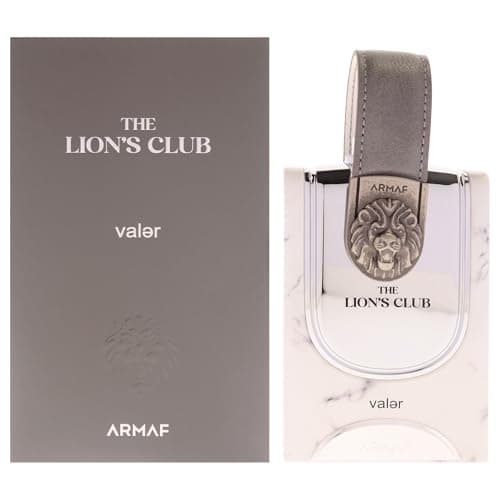
3. Armaf The Lion's Club Valer — for the reader who wants the most citrus on paper. Bergamot, grapefruit, mint AND mandarin in the top tier is the densest citrus opening in this catalog, running into rosemary, frankincense, lavender and geranium over amber, cedar, sandalwood, vetiver, patchouli and cashmeran. Two honest limits, both real: it is the most expensive bottle on this page by a clear margin, and it is a 2025 release with barely any ownership history behind it. Also worth knowing where that note list comes from — see the sourcing note below, because Armaf's own website publishes a pyramid on this bottle that appears to belong to a different fragrance entirely.
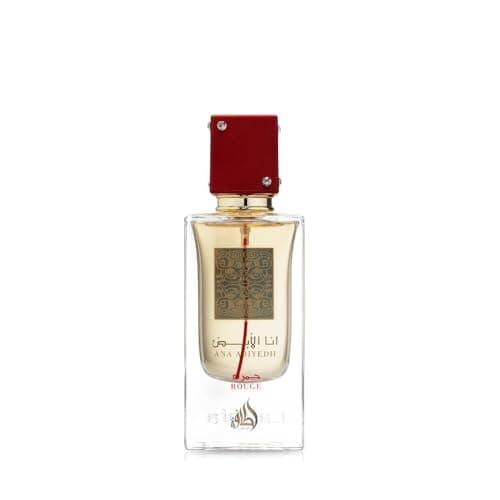
4. Lattafa Ana Abiyedh Rouge — our budget pick, and the purest citrus character here. A clean, soapy citrus-floral that reads freshly-showered rather than freshly-sprayed; it is the cheapest bottle in this entire catalog and it scores 9 out of 10 for both value and versatility. Honest limits, and they matter: modest projection and modest longevity, both 6 out of 10. Nobody across a table will ask what you are wearing. If that is fine — and for an office it is often the point — nothing here costs less.
5. Lattafa Pride Art of Nature II — for the reader who wants citrus but not austerity. Lattafa publishes bergamot, olibanum, mandarin and apple, then orange blossom, rose and cardamom, over vanilla, ambroxan, guaiac wood, cedarwood and musk. It is the only bottle on this page carrying mandarin, and the only one where the base is openly sweet. Honest limit: it turns into a soft vanilla-woody fragrance, so if citrus is the reason you are shopping, this is the one most likely to feel like it drifted.
Three bottles that belong in this conversation and are not ranked
Armaf Tres Nuit was cut on merit, not on stock. Its published list — iris, lemon verbena, violet, ambergris, sandalwood — does contain a citrus material, and it is in stock and extremely cheap. But iris leads that list, not the verbena, and the bottle wears as a powdery green fougere with a citrus flash on the front rather than as a citrus fragrance. It is ranked on this run's other roundup instead, where its job is the comparison: Nautica Voyage alternatives.
Lattafa Fakhar and Rasasi Hawas were cut on stock, and both would otherwise have ranked. Fakhar publishes bergamot and grapefruit over a clean woody-amber and scores 10 out of 10 for value; Hawas is the best-performing fresh-fruity bottle we cover. At our availability check on 2026-11-10 both returned a live price but an empty availability message from the retailer API, twice. We do not treat that as confirmed stock, and we would rather leave a good bottle off a page than send you to a listing we cannot confirm you can buy. Both have their own reviews — Lattafa Fakhar and Rasasi Hawas — and if either is in stock when you read this, it is a fair substitute for pick two.
Armaf Club de Nuit Milestone publishes bergamot too, and it is in stock, but what it is actually about is the salty marine accord sitting beside that bergamot. It would be a strange thing to call a citrus pick, so it is ranked where it belongs instead: first on Nautica Voyage alternatives.
How to buy a citrus fragrance without wasting the money
Decide whether you want citrus or you want clean. They are not the same purchase and the shelf treats them as if they were. Citrus is peel, juice and bitterness — it has an edge. Clean is soap, musk and laundry. Ana Abiyedh Rouge sits on the clean end of this page; Valer and Urban Man sit on the bitter-bright end. Buying the wrong end of that line is the most common way to end up with a bottle you never reach for. How to choose a cologne walks the whole decision.
Expect to spray more, and plan for it. Bright fragrances get under-applied because they smell strong on the card and then vanish. Four sprays of a citrus EDP is not an aggressive dose; two is often invisible by mid-morning. How many sprays of cologne has the per-concentration numbers, and how to make cologne last longer covers the application habits that matter most in exactly this category.
Buy this family for spring and summer first. Citrus is the one family where the season is not a matter of taste: heat accelerates evaporation, which makes a bright top note read even brighter, and cold air flattens it. Four of these five are year-round wearable, but the reason you want a citrus bottle at all is usually May through September. Best summer colognes ranks on heat behavior specifically, and there is a seasonal cut from the other side on best spring colognes.
Do not buy two of these. Knight, Urban Man and Ana Abiyedh Rouge all do the clean-daytime job, and owning all three gets you one fragrance at three volumes. If you want genuine coverage from this page, take number one for performance and number five for the warm-sweet lane, and leave it there. Building a fragrance wardrobe is the framework for deciding which gap is actually open.
Where “citrus” sits relative to the rest of the fresh family. Aquatic, green-aromatic and fresh-woody are three different purchases that all get called fresh, and citrus is the fourth. Best fresh colognes sorts the whole family by lane and is the page to read if you are not sure which one you actually want; fragrance families explained is the map behind both pages.
What we will not claim. We have not run a lab test, a blind panel or a longevity trial on any bottle here, and we publish no invented ratings or review counts. The note lists quoted above come from the houses' own published pyramids or their own retail listings, with the one documented exception noted below for Valer; the scores are judgments against our public rubric; the prices are live retailer API reads with the date printed beside them. Where we could not source a pyramid — Ana Abiyedh Rouge — we have described the fragrance instead of inventing a note list for it.