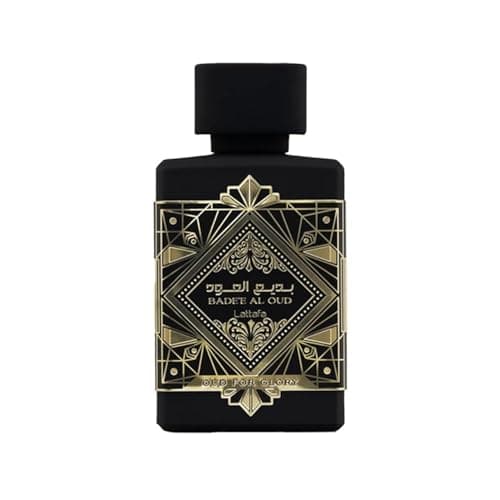
Start with Lattafa Oud for Glory. It is the cheapest bottle on this page and the one that does the single most reliable trick in the category: saffron over smoky agarwood, a pairing almost nobody encounters at a drugstore counter, which is exactly why it registers as costly. If you want one bottle that makes people assume you spent real money, that is it. The other four each solve the same problem a different way, and the page explains which way is which so you can pick on something other than a star rating.
"Smells expensive" is one of the most-searched phrases in fragrance and one of the most slippery, because it is not a smell. It is an inference your nose makes from a few structural cues, and once you can name the cues you can shop for them deliberately instead of hoping. There are three, and this is the whole of the method.
The three things that make a fragrance read as expensive
- 1. Raw materials you do not meet at a drugstore. This is the biggest one by a distance. Saffron, agarwood, labdanum, benzoin, guaiac wood, akigalawood - these are the vocabulary of the expensive shelf, and your nose learns the association long before you learn the names. A bottle built on them reads costly even when it costs twenty-five dollars. A bottle built on calone and white musk reads like a mall, because that is where you learned those smells.
- 2. Concentration, because it changes texture and not just strength. A higher oil load does not only last longer; it reads denser. Thin, watery, sharp-smelling openings are the single clearest tell of a cheap formulation, and the fix is oil, not volume. An extrait de parfum at thirty dollars will out-texture an eau de toilette at eighty. Our guide to concentrations covers the labels and what they do and do not promise.
- 3. A dry-down that keeps moving.Cheap fragrances very often smell good for twenty minutes and then flatten into one note for six hours. An expensive-smelling fragrance changes at least twice after the opening - fruit into resin, spice into wood, sweetness into smoke. If you have ever smelled something and thought "there is a lot going on in there," this is the thing you noticed.
Two things are conspicuously not on that list. Loudness is not on it - projecting across a room reads as cheap more often than it reads as rich. And brand prestige is not on it, because nobody smelling you across a table can read a label. If you are shopping the other way round and price is the constraint rather than the impression, best cheap colognes is the page you want; it ranks on money and shares none of the picks below.
How we ranked these five
Each pick was chosen because it demonstrates one of the three markers more clearly than anything else we can buy at the price, and ranked on how reliably it lands across different noses and different rooms:
- Does the marker actually show up? A published note list that includes saffron is not the same as a fragrance where you can smell it. We ranked the ones where the material is load-bearing above the ones where it is decoration.
- Does it hold up past the first hour? Marker three is the hardest to fake and the most likely to be missing.
- Is it quiet enough to be believed? A fragrance that fills a lift undoes its own work. The picks that sit closer to the skin rank higher here than they do on our performance-weighted pages.
Scores shown in the table come from our standard rubric, which weights performance heavily - so they do not map one to one onto the ranking on this page, and we would rather say that than pretend otherwise. The ranking is fit to the question, which is perceived luxury, not raw output.
What each marker buys you, pick by pick
| Pick | Family | Concentration | Marker it demonstrates | Season |
|---|
| Oud for Glory | Woody / Oud | EDP | Materials - saffron and agarwood | Fall and winter |
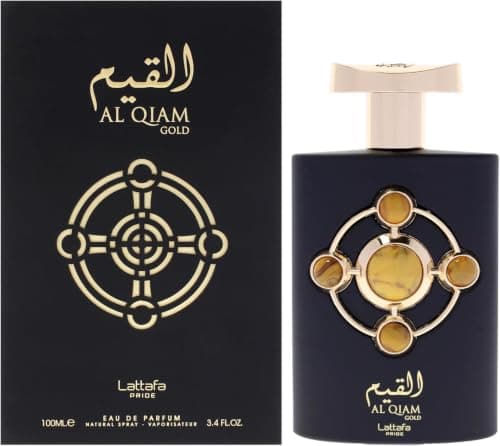
| Al Qiam Gold | Fruity Amber / Oud | EDP | A dry-down that moves - raspberry into resin into oud | Fall and winter |
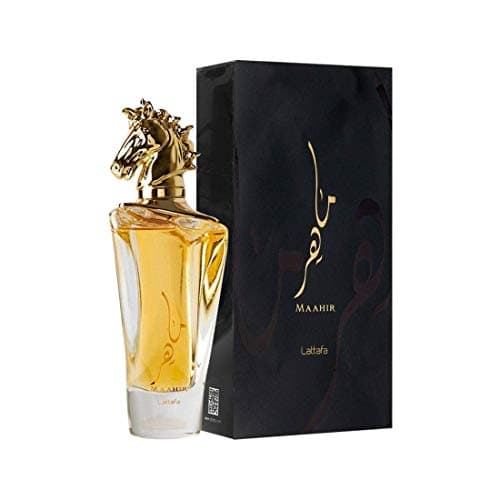
| Maahir | Amber / Rose Oud | EDP | Materials, played quietly - saffron, rose, leather, oud | Fall and winter |
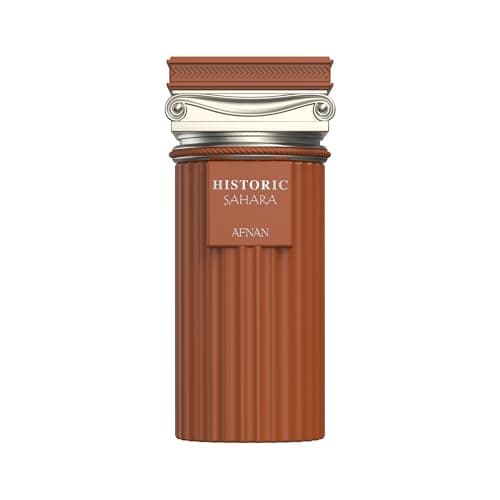
| Historic Sahara | Vanilla / Spiced Gourmand | Extrait de Parfum | Concentration - density rather than volume | Fall and winter |
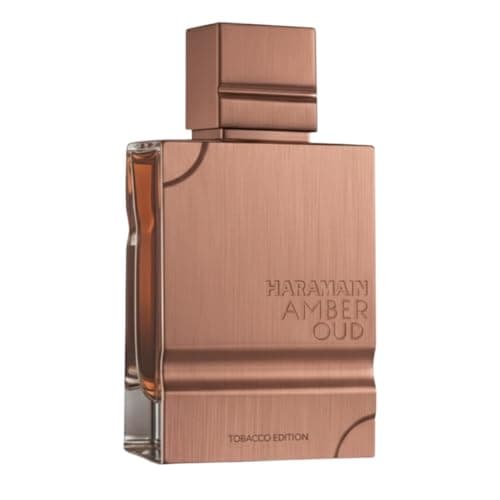
| Amber Oud Tobacco | Amber / Tobacco | EDP | A dry-down that moves - tobacco into cinnamon into vanilla | Fall and winter |
One pattern in that last column deserves saying out loud: every pick here is a cold-weather fragrance. That is not an oversight. The materials that read as expensive - resins, woods, saffron, tobacco - are heavy, and heavy fragrances need cold air to behave. The warm-weather version of this question has a much shorter answer, and it is mostly about texture rather than materials; for that, start from best summer colognes and prioritise the EDPs over the EDTs.
Three habits that undo all of this
You can buy exactly the right bottle and still smell cheap. Three mistakes do most of the damage, and all three are free to fix.
- Over-spraying. This is the big one. Volume is the cheapest-reading signal there is, and the irony is that expensive-smelling materials need less of it, not more - they are denser to begin with. Two sprays of anything on this page is plenty, and one is often correct. Our spray-count guide works through it properly.
- Spraying over the wrong base. A heavily scented body wash, deodorant and shampoo underneath a good fragrance produces a muddle, and muddles read as cheap. Unscented products under a scented top layer is the whole trick, and it is covered in how to layer cologne.
- Letting it die on the vine. Heat, light and air flatten a fragrance into exactly the one-note mush that marker three is about. A cupboard beats a bathroom shelf and a windowsill is the worst place in the house - how to store cologne has the specifics.
Why these houses can do this at this price
It is reasonable to be suspicious when a thirty-dollar bottle smells like a two-hundred-dollar one, so it is worth saying plainly where the money goes. The affordable Arabian houses spend almost nothing on the things the designer market spends most on - celebrity faces, department-store concessions, magazine inserts, glass that weighs more than the juice - and they operate in a market where high oil loads are the normal expectation rather than a premium tier. The savings are real and structural, not a trick. The full explanation is in why Arabian colognes are so cheap.
What you are not getting at this price is originality. Several bottles in this segment are built to evoke a famous fragrance, and we are explicit about which ones and how closely - that is the entire dupes section. If smelling expensive matters to you but smelling like nobody else matters more, Maahir is the pick on this page to start with: it predates the current clone boom and is not chasing anything.